SunDrive and Space Machines Company develop Australian solar arrays for spacecraft
Australian companies SunDrive and Space Machines Company are collaborating to develop lightweight, copper-based solar arrays for spacecraft, aiming to reduce reliance on imports and build a domestic space technology supply chain.
SunDrive and Space Machines Company have begun developing Australian-made solar arrays for spacecraft, targeting reduced costs and supply chain risks. The collaboration, which started in October 2026, aims to establish a domestic source for a critical and costly spacecraft component, reducing the current heavy reliance on imported space-grade arrays. Engineering teams met at SunDrive’s Kurnell facility on October 1 to formally start the project.
This partnership marks a milestone for SunDrive in bringing its proven terrestrial technology to the space sector. Both companies aim to keep more of the space-energy value chain in Australia to build a domestic ecosystem and skilled jobs. The work provides SunDrive with a new commercial pathway and reflects growth in Australian advanced manufacturing for space, defence, and sovereign technology.
Focus on lightweight, copper-based technology
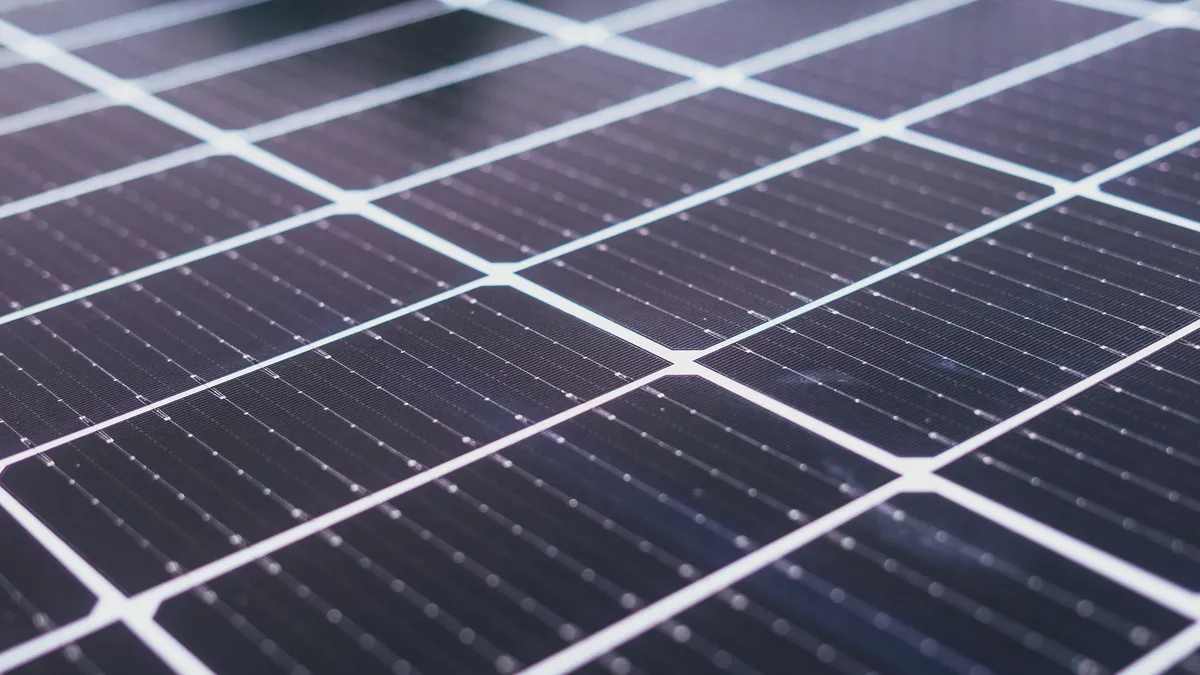
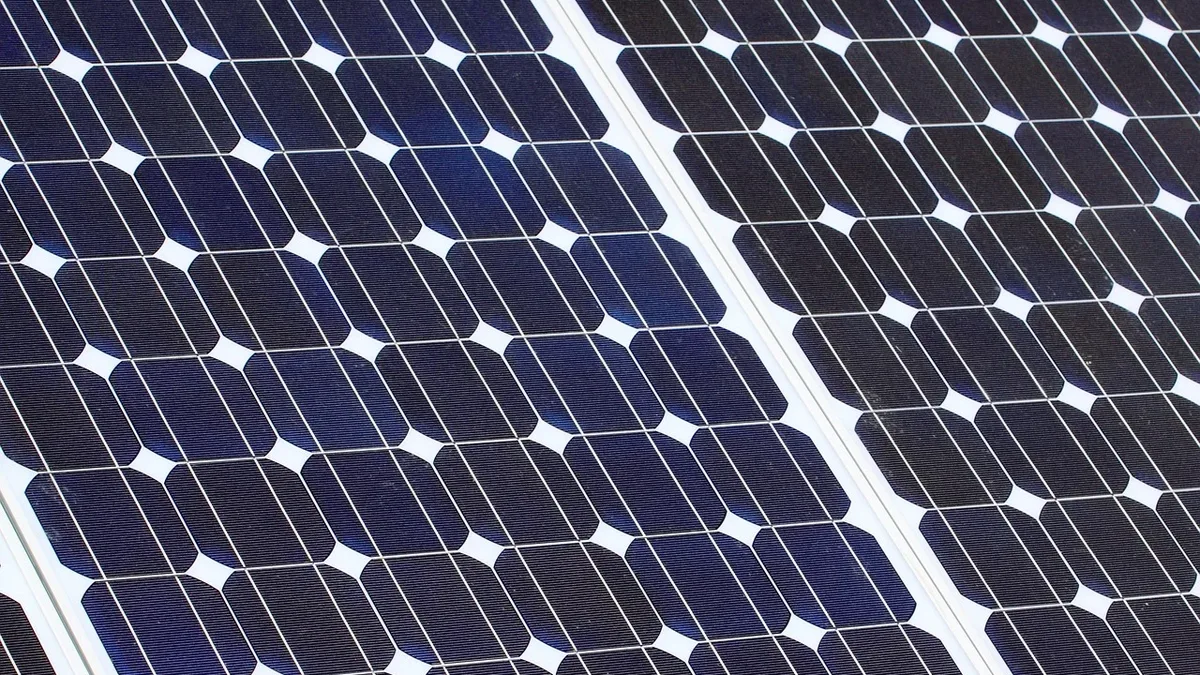
The collaboration leverages SunDrive's copper heterojunction cells, which are ultra-thin and lightweight, to meet space mission requirements. SunDrive’s copper-based solar cell technology replaces silver, reducing reliance on a more expensive and constrained critical material. This copper heterojunction (HJT) technology brings together the performance needed for next-generation spacecraft solar arrays where mass directly affects launch and operating costs.
Space photovoltaics has long been dominated by expensive gallium arsenide cells, though HJT technology is now being tested in orbit. In a separate development, JA Solar sent prototype p-type HJT modules into space aboard a satellite launched from the Jiuquan Satellite Launch Centre in September.
Testing and development for flight readiness
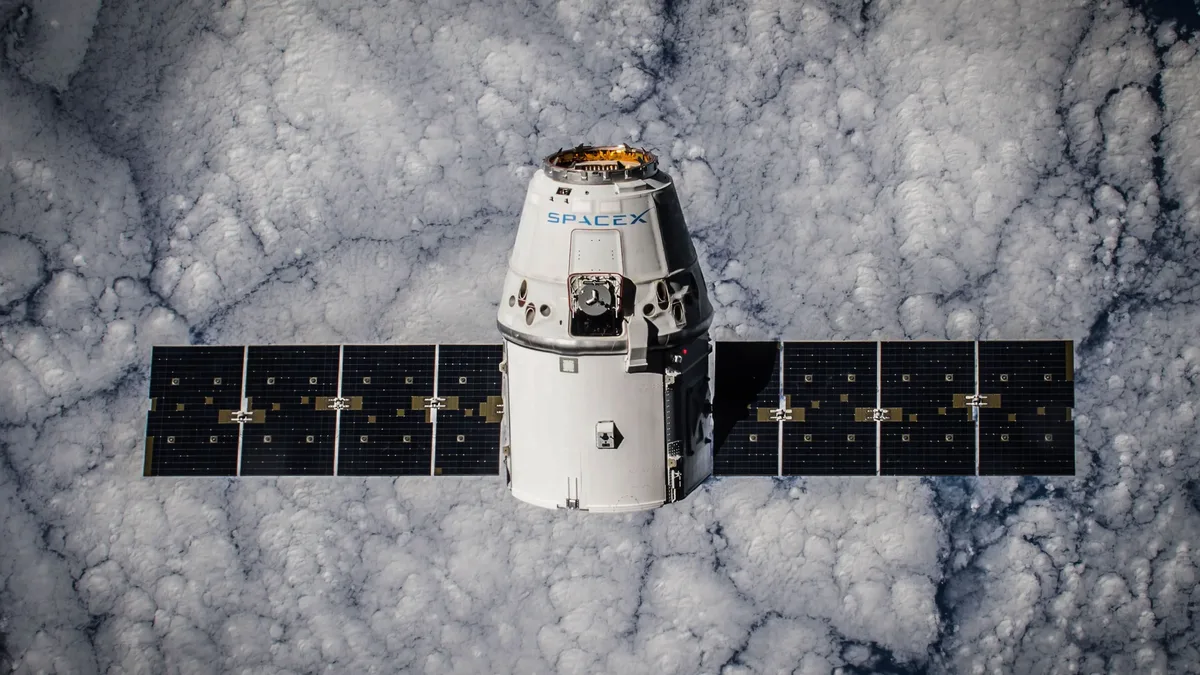
The first phase runs until April 2027 and will produce a body-mounted solar panel for SMC’s Optimus Viper spacecraft, a 200 kg vehicle designed for autonomous operations in Low Earth Orbit. The companies have defined clear development roles.
The body-mounted panel will undergo rigorous thermal-vacuum and vibration testing to assess performance in launch and orbit conditions. This testing generates critical engineering data for flight readiness. Ian Partis, vice president of engineering at SMC, explained the challenge: "A solar panel has to survive launch vibration, vacuum and extreme thermal cycling while staying as light as possible."
The companies will jointly develop the process for bonding solar modules to the panel substrate. Such testing is a step towards achieving flight heritage, a key benchmark for satellite manufacturers when choosing components. Phase 1 results will inform decisions on further phases aimed at a flight-ready deployable solar array for SMC’s future spacecraft and the wider international satellite market.
Strategic importance for Australian space industry
The partnership aims to establish a domestic solar array supply chain, supporting sovereign space capabilities. SMC CEO Rajat Kulshrestha noted solar arrays are among the most critical and costly parts of spacecraft. He stated, "This collaboration began because two Australian companies saw a commercial reason to work together."
Both companies see a market for lower-cost, locally developed solar arrays priced for spacecraft built and deployed at scale. SMC, headquartered in Australia with operations in the US, UK, and India, builds AI-based orbital threat prediction software and small spacecraft for allied nations. It is focused on developing sovereign space transportation capabilities.
SunDrive CEO Natalie Malligan highlighted the broader context. As the global space economy rapidly accelerates, Australia is well-placed to seize the opportunity, not only to participate, but to build and own the critical technologies that will underpin it. Demand is growing for high-performance, resilient, lightweight, and scalable power systems.
This Australian initiative aligns with increased global focus on space-based solar. The US Department of Energy opened a US$12 million R&D programme for space photovoltaics in September, with awards up to US$2 million. Separately, Meta signed an agreement with Overview Energy for early access to up to 1GW of space-based solar power for its US data centres, with Overview planning a 2028 demonstration.
Phase 1 results will inform decisions on further phases aimed at a flight-ready deployable solar array for SMC’s future spacecraft and the wider satellite market.