First Solar
| Technology | Cadmium Telluride (CdTe) thin-film photovoltaic modules |
|---|---|
| Project Scale | Utility-scale solar power plants |
| Module Efficiency | Approximately 18-22% |
| Manufacturing | Vertically integrated from raw material to finished module |
| Headquarters | Tempe, Arizona, United States |
| Founded | 1999 |
| Recycling Program | In-house module collection and recycling facility |
Overview
First Solar is a solar technology company that develops, manufactures, and sells photovoltaic modules. It is best known for cadmium telluride thin-film modules rather than conventional crystalline silicon panels. For projects built with its modules, the generation technology is a photovoltaic solar farm that converts sunlight directly into electricity. The company supplies modules for large ground-mounted installations that serve utilities, independent power producers, and industrial customers. Its work sits at the intersection of semiconductor manufacturing, power electronics, and project deployment. The company also maintains recycling and materials recovery programs for modules at the end of their service life.
History
First Solar was founded in the United States in 1990. It grew around thin-film photovoltaics, especially cadmium telluride technology. The company became publicly listed on Nasdaq in 2006. During the 2000s and 2010s it expanded manufacturing and became a major supplier to utility-scale solar projects. It also invested in recycling and materials recovery for its modules. Its history reflects a long-term commitment to a technology path that was less common than crystalline silicon.
How it works today
First Solar produces solar modules using cadmium telluride semiconductor layers deposited on glass. The modules convert sunlight into direct current electricity through the photovoltaic effect. Inverters and balance-of-system components convert and condition that electricity for use on the grid. A project using these modules typically installs them on fixed-tilt or tracking racking, connects them to inverters, and feeds power into the grid. Its thin-film design can be useful in hot climates because it may lose less efficiency as temperature rises than some silicon modules. Manufacturing involves glass handling, semiconductor deposition, module assembly, testing, and quality control.
Why it matters
First Solar matters because it provides an alternative to crystalline silicon in the solar module market. Cadmium telluride modules are used in large solar projects that supply power to grids and industrial customers. The company's approach supports diversification of solar supply chains and manufacturing capacity. Its recycling efforts address concerns about end-of-life waste from solar installations. The company also influences public debate about land use, materials, and sustainability in renewable energy. Its presence shows that utility-scale solar can be built from multiple technologies, not only silicon.
Common misconceptions
A common misconception is that First Solar makes only residential rooftop panels. In practice, its modules are most associated with utility-scale solar farms. Another misconception is that cadmium telluride modules are inherently unsafe because cadmium is toxic. The sealed glass construction and controlled manufacturing reduce exposure during normal use, though materials management remains important. Some people assume thin-film modules are always better than silicon modules. The choice depends on project goals, climate, land, cost, financing, and local supply chain. Another misconception is that solar module recycling is trivial or universally available. First Solar's programs are specific to its products and do not solve recycling for all solar panels.
Latest First Solar news
Latest reporting
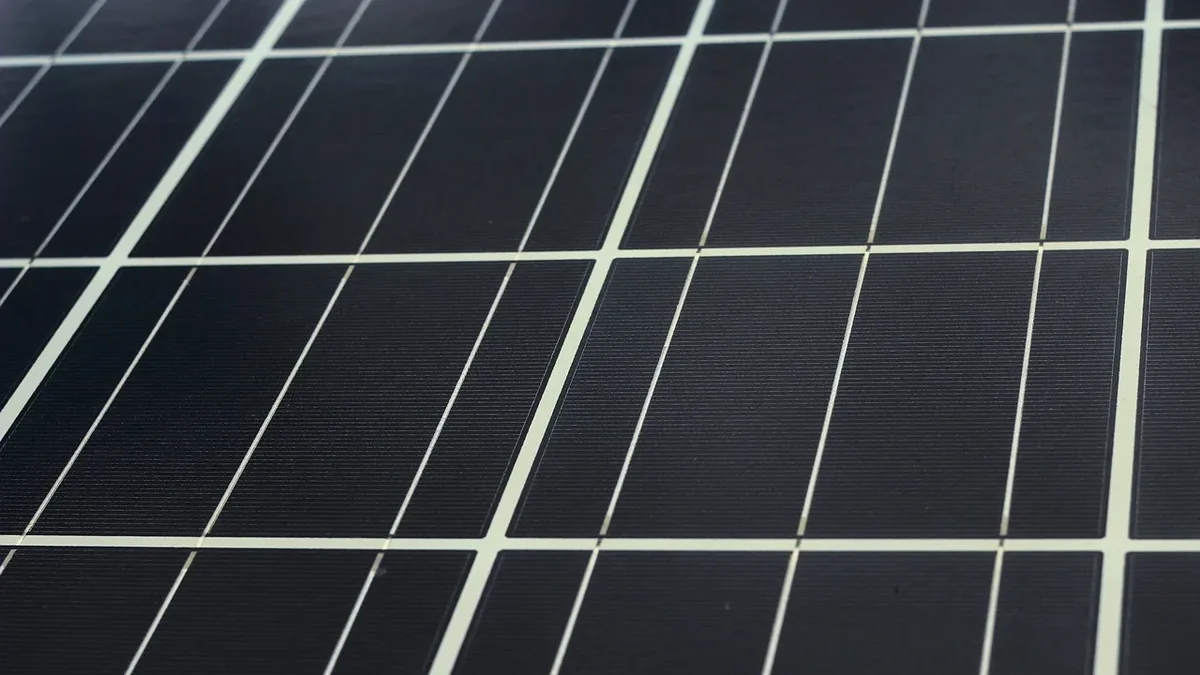
Emulsion buffer layer mitigates screen printing degradation in copper-plated HJT solar cells
Researchers at LONGi Green Energy Technology have developed an emulsion buffer layer that prevents screen mesh contact, limiting efficiency...

Shinsung E&G launches bifacial solar modules for ground and floating PV
Shinsung E&G has introduced two new series of high-power bifacial TOPCon solar modules, designed for ground-mounted and floating photovoltaic...

SolarEdge shuts down Australia and New Zealand operations
SolarEdge is ending direct sales and local operations in Australia and New Zealand, with a final order deadline of 20 November 2026. Support will...

SunDrive and Space Machines Company develop Australian solar arrays for spacecraft
Australian companies SunDrive and Space Machines Company are collaborating to develop lightweight, copper-based solar arrays for spacecraft, aiming...
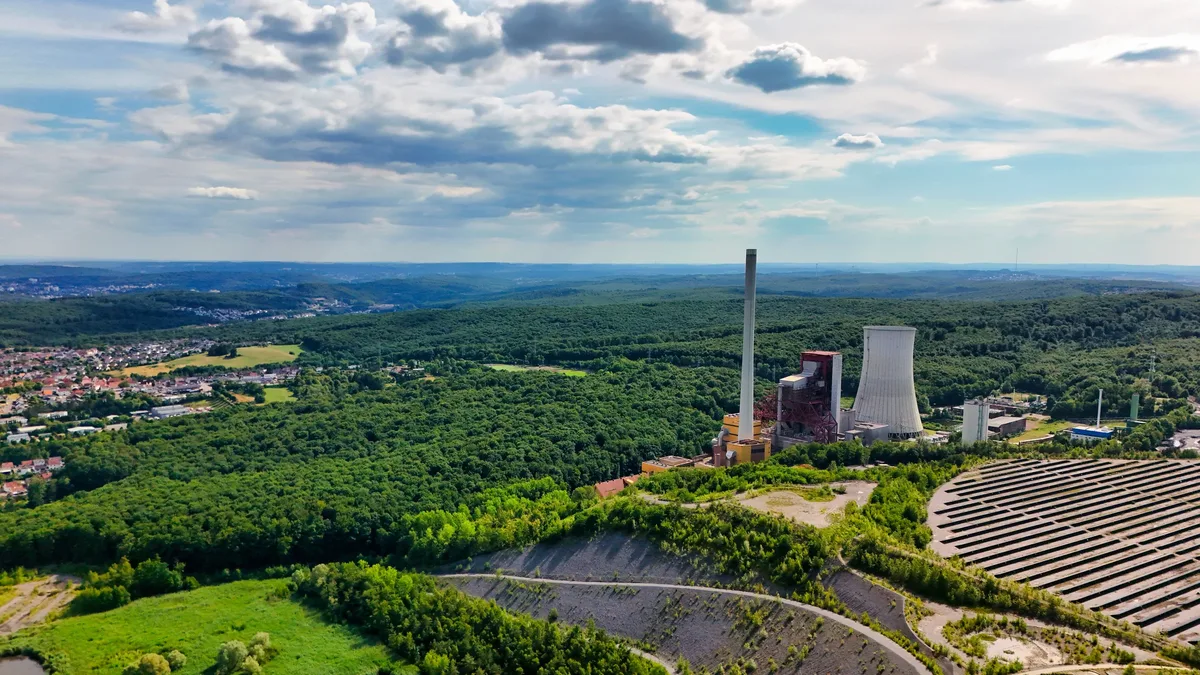
Corporate PPA market cools as hybrid solar storage deals emerge
Corporate renewable energy procurement in Europe is declining, with PPA volumes down 9.7% in 2026. Buyers are increasingly turning to complex hybrid...
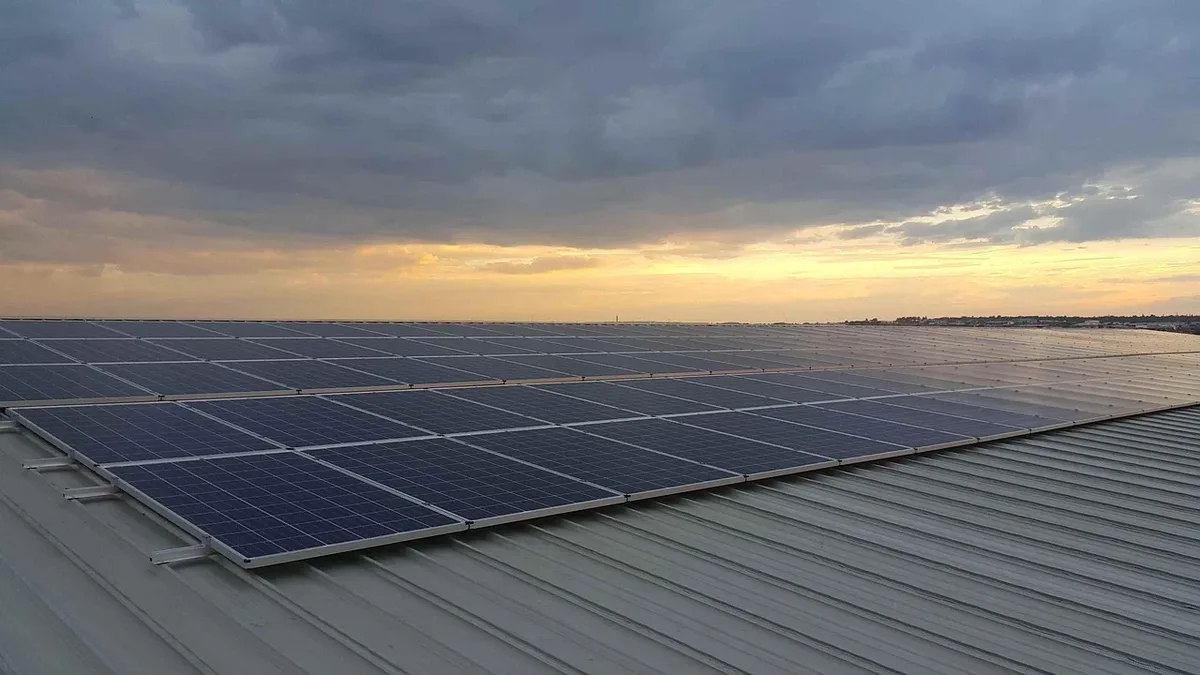
RadianX scales perovskite solar production after TÜV certification
RadianX secured $9 million and a manufacturing partnership to scale production of its TÜV-certified perovskite solar modules, targeting low-light...