Solar Water Pumping And Agrivoltaics
| Technology type | Solar water pumping with integrated agrivoltaics |
|---|---|
| Original use | To combine agricultural irrigation with solar power generation on the same land area |
| First documented | Late 2000s |
| Key principle | Co-location of solar photovoltaic panels and crop cultivation |
| Primary components | Photovoltaic array, water pump, mounting structure, irrigation system |
| Water source | Well, borehole, or surface water |
| Crop compatibility | Varies by system design and climate |
Origin and history
The concept of using solar photovoltaic (PV) panels to directly power water pumps emerged in the late 20th century, following the development of practical solar cells and DC motor technologies. Early applications were primarily for remote, off-grid water supply in regions like the southwestern United States, Australia, and parts of Africa, where solar insolation is high and electrical grids are sparse. Agrivoltaics, also known as agrophotovoltaics or solar sharing, originated as a formal research concept in the early 21st century, with early pilot projects documented in Europe and Japan in the 2000s. The integration of solar water pumping specifically within agrivoltaic systems is a more recent synergistic development, combining two established technologies. This integration aims to address both energy and water needs for agriculture simultaneously, optimizing land use. The convergence of these technologies has gained significant traction in the 2010s and 2020s as climate adaptation strategies in agriculture.
What it is for
This combined technology is for providing renewable energy-driven irrigation while simultaneously using the same land area for crop production or livestock grazing. It is designed to reduce the operational costs and carbon footprint associated with diesel or grid-electric powered irrigation pumps. The system serves to create a microclimate that can benefit certain crops by providing partial shade, reducing heat stress and evapotranspiration. It is for farmers and land managers seeking to improve water security and energy independence, particularly in arid and semi-arid regions. The dual-use approach is also for mitigating land-use conflicts between food production and renewable energy infrastructure. Furthermore, it can be applied for livestock water supply in rangeland settings, supporting pasture management under solar arrays.
Overview
A solar water pumping and agrivoltaics system consists of a photovoltaic array mounted at a raised height above the ground, with spacing between rows or clusters of panels. Beneath and between these panels, agricultural activities such as crop cultivation or animal grazing continue. The solar panels generate direct current (DC) electricity, which powers a pump, typically a submersible or surface pump, that draws water from a well, borehole, or surface water source. The system includes necessary controllers and inverters to match the pump's power requirements with the variable solar output. Water is then delivered via pipes or hoses to irrigation systems like drip lines or to storage tanks for later use. The elevated mounting structure and panel arrangement are specifically designed to allow sufficient sunlight penetration and machinery access for farming operations below.
What to know
Solar water pumping efficiency is highly dependent on daily and seasonal solar irradiance, meaning water output varies, often necessitating water storage for consistent irrigation. The initial capital investment for the photovoltaic array, mounting structure, pump, and irrigation infrastructure is significant, though operational costs are very low. Not all crops are suitable for agrivoltaic environments; shade-tolerant varieties like leafy greens, herbs, and some fruits often perform better than sun-loving crops like corn. The physical design, including panel height, tilt, and spacing, is a critical engineering compromise between energy generation and agricultural yield. System maintenance requires knowledge of both photovoltaic system upkeep and irrigation equipment, and access for repairs under the array must be planned. Local regulations concerning water rights, land use zoning for solar installations, and potential agricultural subsidies can greatly impact project feasibility.
Common questions
A common question is whether the shade from panels reduces crop yields too much, to which the answer is that while yields for some full-sun crops may decrease, the water savings and microclimate benefits can maintain or even improve yield per unit of water for others. People often ask if the system works on cloudy days, and while pump speed reduces significantly, a properly sized system with adequate water storage can compensate for several low-sun days. Many inquire about the cost and payback period, which varies widely based on system scale, local solar resources, and the cost of displaced energy, but typically ranges from five to fifteen years. Farmers frequently ask about grazing livestock under panels, which is viable but requires careful attention to panel height, animal behavior, and potential damage to electrical conduits. A recurring question is about the durability of panels against agricultural dust and chemical sprays, which is addressed through regular cleaning and the use of protective coatings on panels. Lastly, people wonder about the lifespan, with solar panels typically guaranteed for 25-30 years, while pumps and other components may require replacement sooner.
Pros and cons
A major advantage is the significant reduction in operational energy costs for irrigation, locking in water pumping costs for decades. The partial shade can reduce water evaporation from soil and plant transpiration, leading to direct water savings, sometimes by up to 30% for certain crops. The dual income from both energy production and agricultural products improves land productivity and farm financial resilience. A key disadvantage is the high upfront capital cost, which can be prohibitive without grants, loans, or favorable financing. A common mistake is poor crop selection, leading to disappointing agricultural yields that undermine the economic rationale. Those who regret choosing it often underestimated the complexity of managing two interdependent systems or faced unexpected maintenance challenges, such as pump failures or animal damage. The technology also may not suit fields requiring large, heavy machinery that cannot maneuver under the solar array structures.
Who it suits
This technology suits farmers in regions with high solar insolation who face high or volatile costs for diesel fuel or grid electricity for irrigation. It is appropriate for operations growing high-value, shade-tolerant, or water-sensitive crops where the microclimate benefits can outweigh the reduced light. Ranchers and livestock producers with extensive rangelands needing remote water points are also strong candidates, as the system can be installed far from the electrical grid. It suits landowners and agricultural businesses looking to diversify revenue streams and create a long-term, climate-resilient asset. The approach is well-suited for projects in arid and semi-arid regions globally, where water conservation is critical and land use competition is intense. It is less suited for large-scale grain farms reliant on full sun and very wide machinery, or for sites with poor solar access or low-quality water sources that could damage pumps.
Latest Solar Water Pumping And Agrivoltaics news
Latest reporting

BIPV Façade Study Reveals Grid and Economic Benefits
A global IEA study of 357 BIPV configurations finds vertical façades smooth solar generation curves and improve economic viability by displacing
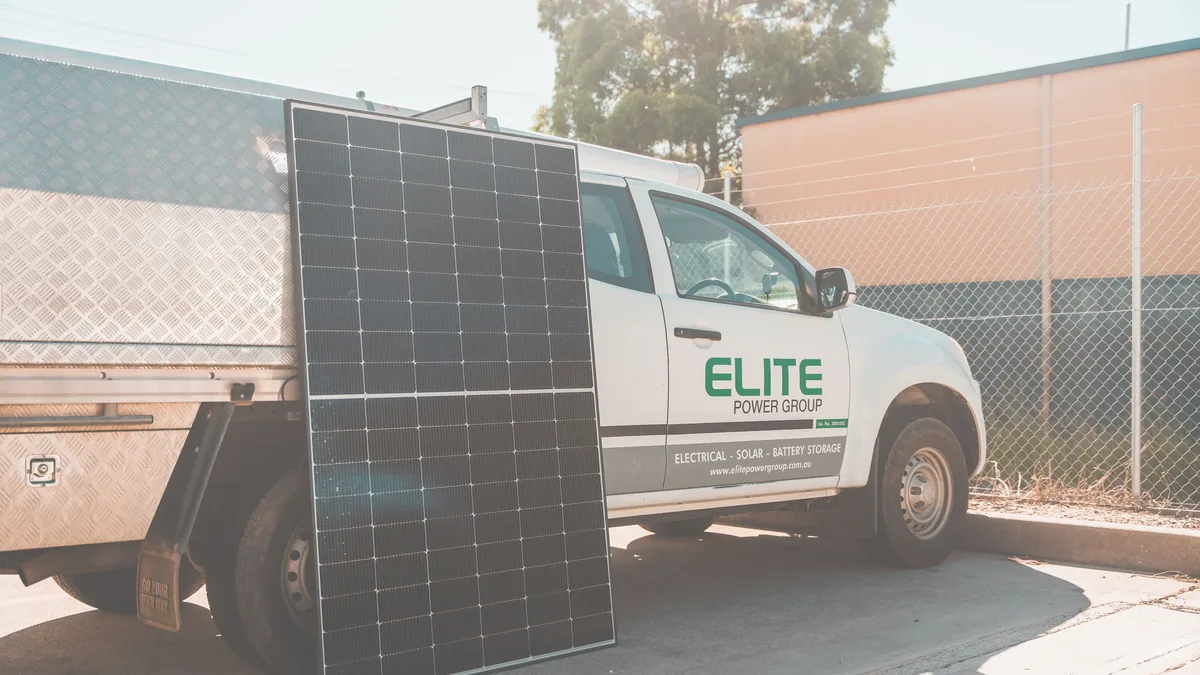
CertainTeed Launches Landmark PWR Solar Shingle System
CertainTeed has launched the Landmark PWR, an 85 W building-integrated photovoltaic shingle system designed to replace rack-mounted solar arrays with...
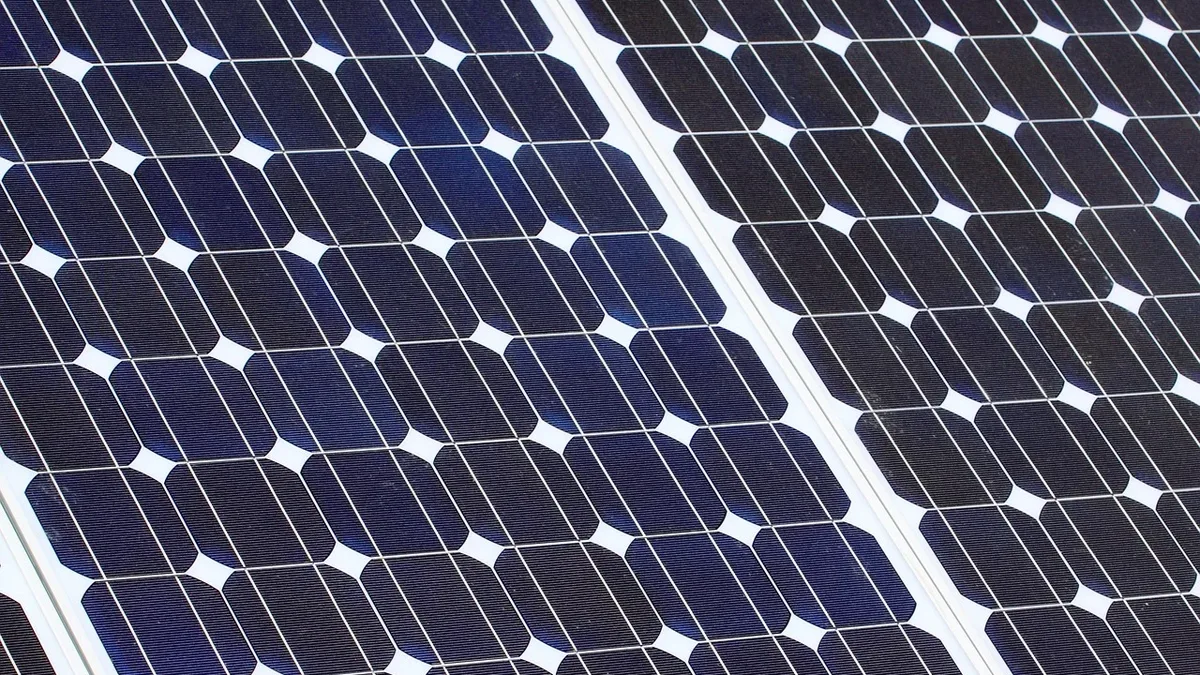
India's Solar Manufacturing Surge Faces Cell Supply
India added 50.6GW of solar module and 9.7GW of cell capacity in H1 2026, but a critical shortage of domestic cells is slowing production and project
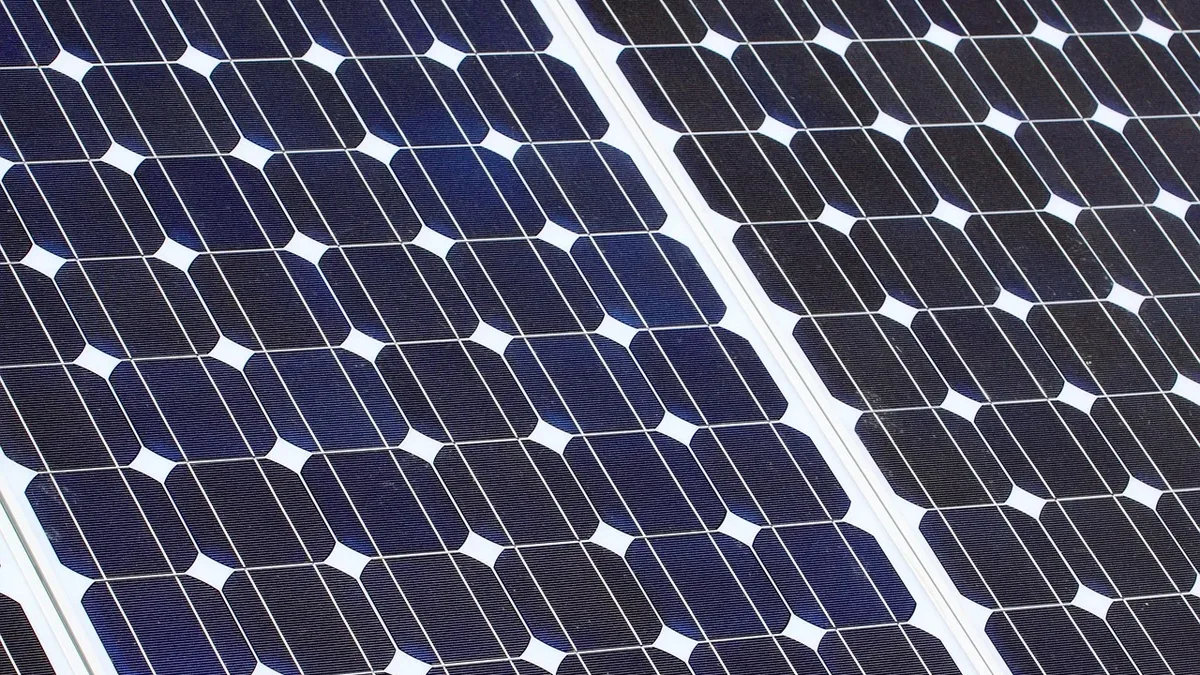
TOPCon Module Pricing Holds Amid U.S. Trade Policy
Solar module prices in China and the U.S. Showed divergent trends ahead of Section 232 enforcement, with U.S. Spot prices stable and Chinese domestic...
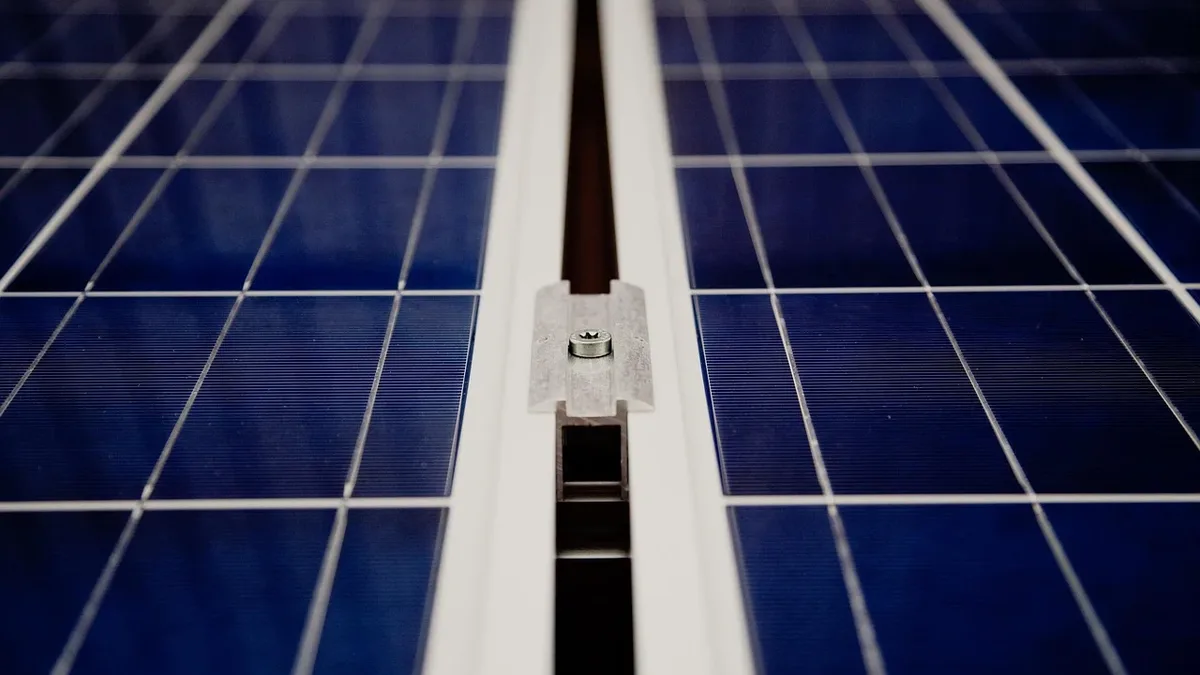
Section 232 tariff drives solar module prices up over 40%
A new 15% tariff on polysilicon imports, effective December 4, has already pushed median U.S. solar module prices from $0.27/W to $0.38/W.
Websol Secures West Bengal Land for 4GW Solar Plant
Websol Energy System has obtained 21.9 hectares in West Bengal's Falta Industrial Park to build a 4GW solar cell and module factory, with the first...