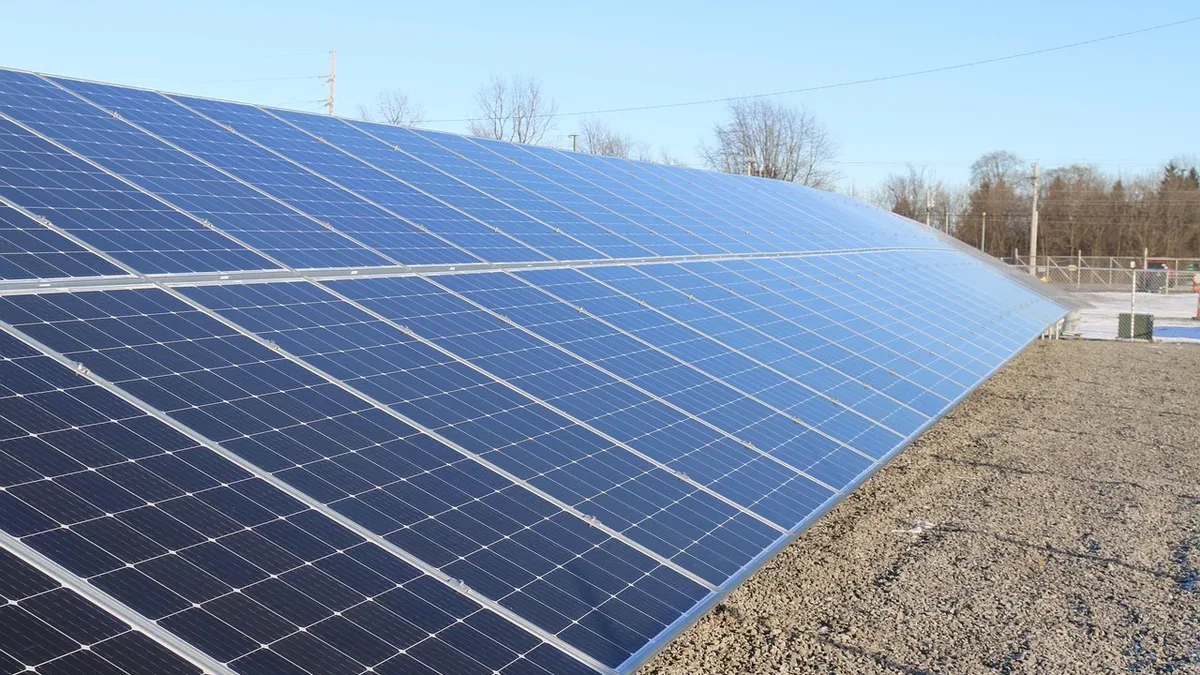
Solar Pv
| Technology type | Photovoltaic electricity generation |
|---|---|
| Original use | Direct conversion of sunlight to electricity |
| First created | 1950s (first practical device) |
| Power source | Sunlight |
| Typical project scale | Kilowatts to gigawatts |
| Key components | Solar panels, inverters, mounting systems |
| Typical location | Rooftops, ground-mounted arrays, carports |
Origin and history
Solar photovoltaic (PV) technology converts sunlight directly into electricity using the photovoltaic effect. The foundational scientific discovery occurred in France in the 19th century when physicist Edmond Becquerel first observed the phenomenon in 1839. Practical development began in the United States in the mid-20th century, with Bell Laboratories creating the first usable silicon solar cell in the 1950s. These early cells were extremely expensive and inefficient, limiting their use to specialized applications like spacecraft power systems. Throughout the latter half of the 20th century, research in the United States, Japan, and Europe gradually improved cell efficiency and manufacturing processes. The technology transitioned from a niche scientific application to a viable energy source through sustained global research and development efforts spanning multiple decades.
What it is for
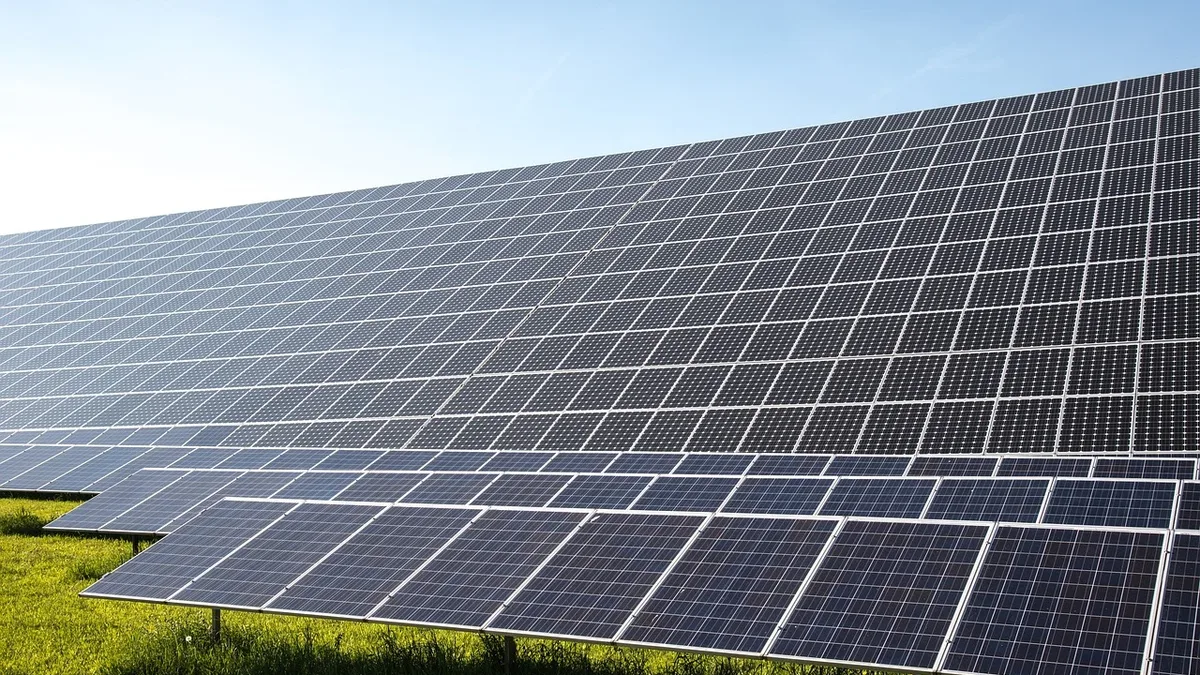
Solar PV technology is designed to generate electrical power from sunlight. Its primary application is for the production of clean, renewable electricity at scales ranging from milliwatts to gigawatts. It is deployed in utility-scale solar farms that feed power directly into the electrical grid, supplying power to thousands of homes and businesses. Rooftop installations on residential, commercial, and industrial buildings provide on-site power, reducing reliance on grid electricity and lowering energy bills. The technology is also essential for powering off-grid applications, including remote telecommunications equipment, navigation aids, and rural electrification projects where grid extension is impractical. Furthermore, solar PV is integrated into consumer products like calculators, lighting, and portable chargers, and is a critical component in the transition away from fossil fuel-based energy systems to mitigate climate change.
Overview
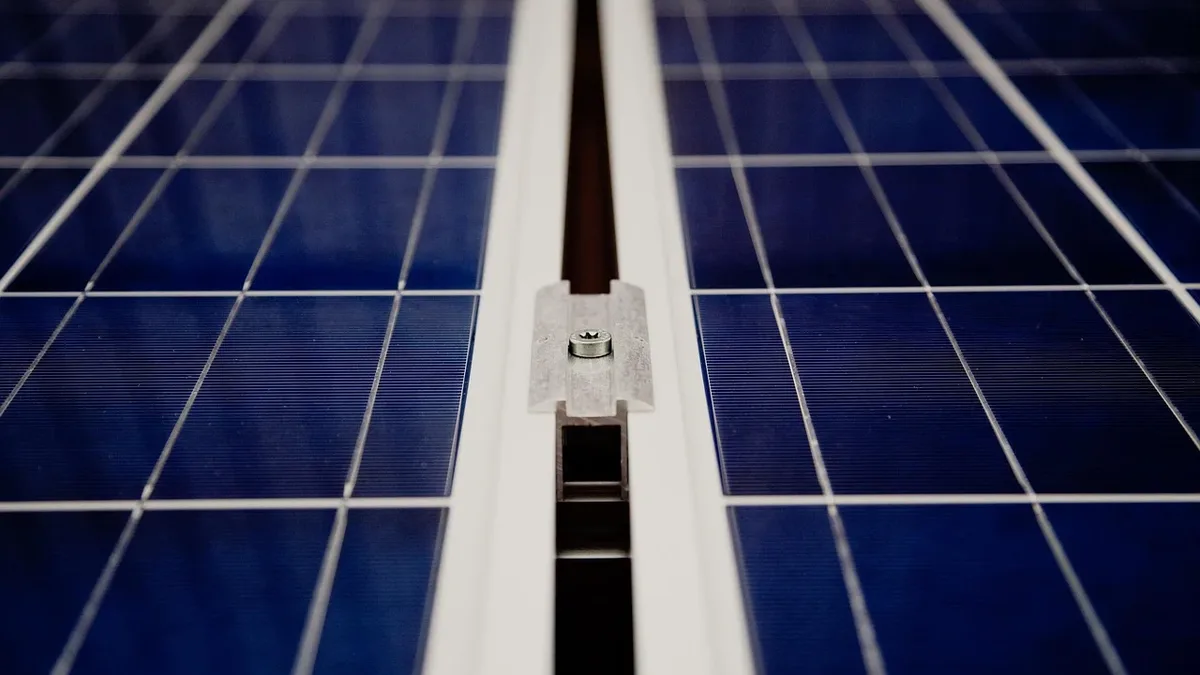
A solar PV system is composed of multiple solar panels, which are themselves assemblies of individual solar cells made from semiconductor materials, typically silicon. These cells generate direct current (DC) electricity when exposed to sunlight. The system includes other key components beyond the panels, such as mounting structures, inverters to convert DC electricity to alternating current (AC), wiring, and often a metering system. Systems can be configured as grid-tied, where they operate in parallel with the utility grid, or as stand-alone systems incorporating battery storage for energy independence. The performance of a PV system is influenced by factors like the panel's orientation and tilt, local solar irradiance, shading, and ambient temperature. Technological variations exist, including monocrystalline, polycrystalline, and thin-film panels, each with different efficiency, cost, and manufacturing characteristics.
What to know
The rated power output of a solar panel, measured in watts (W) or kilowatts (kW), is determined under standardized laboratory conditions and real-world output will almost always be lower. Actual energy yield, measured in kilowatt-hours (kWh), depends heavily on geographic location, local weather patterns, seasonal sun angle changes, and system design. Solar PV systems have no moving parts during operation, leading to minimal maintenance requirements, primarily involving periodic cleaning and system performance monitoring. They generate power silently and produce no air pollution or greenhouse gas emissions during operation, though manufacturing and disposal processes carry environmental impacts. The economic viability of a solar PV installation is calculated through the levelized cost of energy, factoring in upfront capital costs, operational costs, financing, and the system's lifetime energy production. Interconnection policies, net metering rules, and local permitting processes vary significantly by region and greatly affect project feasibility and payback periods.
Common questions
How long do solar panels last? Most manufacturers offer performance warranties guaranteeing 80-90% of original output after 25 to 30 years, though panels can continue producing electricity beyond that period. Do solar panels work on cloudy days or in winter? They do generate power under diffuse sunlight and on cloudy days, but at a significantly reduced output; snow cover can completely block production until cleared. What happens to solar power when the grid goes down? Standard grid-tied systems automatically shut off for safety unless they are specifically paired with a battery storage system and a dedicated islanding inverter. How much roof space is needed? A typical residential system might require between 200 to 400 square feet per kilowatt of installed capacity, depending on panel efficiency. Are there incentives available? Many regions offer tax credits, rebates, or other incentives, but these are subject to change and must be verified for a specific location and time. What is the environmental impact of panel disposal? Panels contain materials that require proper handling at end-of-life; dedicated recycling streams are developing but are not yet universally established.
Pros and cons
A significant advantage of solar PV is its ability to generate electricity with zero fuel cost and zero operational emissions, providing long-term price stability against volatile fossil fuel markets. The modular nature of the technology allows for scalable installations from small rooftop systems to massive utility projects. A major disadvantage is the intermittent nature of its power generation, which does not align perfectly with typical electricity demand patterns, especially in the evening peak, often necessitating investment in complementary storage or backup generation. Common regrets from property owners often stem from unrealistic expectations about energy production or financial payback, frequently due to inadequate site assessment for shading or suboptimal roof orientation. The upfront capital cost remains a substantial barrier despite significant price declines, and the complexity of financing, permitting, and installation can be daunting. A frequent mistake is focusing solely on the lowest cost per watt for panels while neglecting the quality and longevity of other system components like inverters and mounting hardware, which can lead to higher long-term costs.
Who it suits
Solar PV is well-suited for property owners with unshaded, structurally sound roofs or available land areas that receive strong, direct sunlight for a significant portion of the day. It is a logical investment for individuals or organizations seeking to lock in long-term electricity costs, achieve greater energy independence, or reduce their environmental footprint. Homeowners in regions with high retail electricity rates and favorable net metering policies typically see the fastest financial returns on their investment. The technology is particularly advantageous for remote locations where extending the traditional power grid is technically difficult or prohibitively expensive, making off-grid or microgrid systems cost-effective. Commercial and industrial entities with large, flat rooftop spaces or daytime operational energy demand can achieve significant cost savings and sustainability benefits. It is less suitable for properties with heavy, unavoidable shading from trees or other buildings, for those with very limited suitable space, or for individuals who may move before the system reaches its financial payback period.
Latest Solar Pv news
Latest reporting

BIPV Façade Study Reveals Grid and Economic Benefits
A global IEA study of 357 BIPV configurations finds vertical façades smooth solar generation curves and improve economic viability by displacing
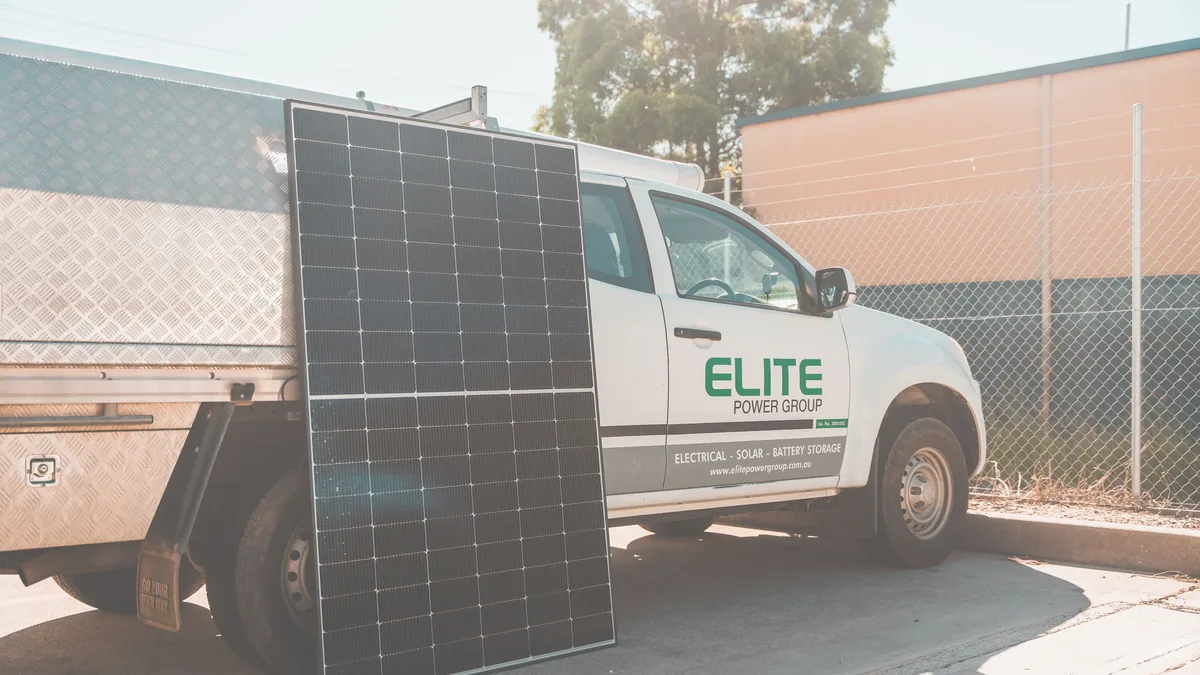
CertainTeed Launches Landmark PWR Solar Shingle System
CertainTeed has launched the Landmark PWR, an 85 W building-integrated photovoltaic shingle system designed to replace rack-mounted solar arrays with...
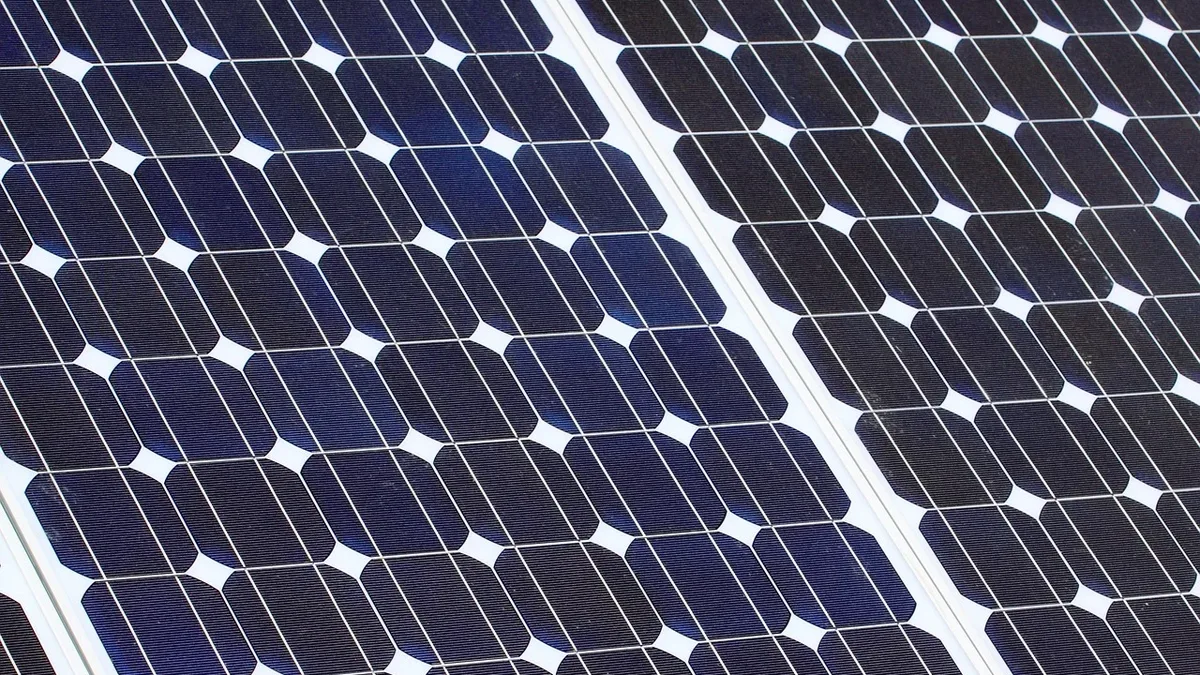
India's Solar Manufacturing Surge Faces Cell Supply
India added 50.6GW of solar module and 9.7GW of cell capacity in H1 2026, but a critical shortage of domestic cells is slowing production and project
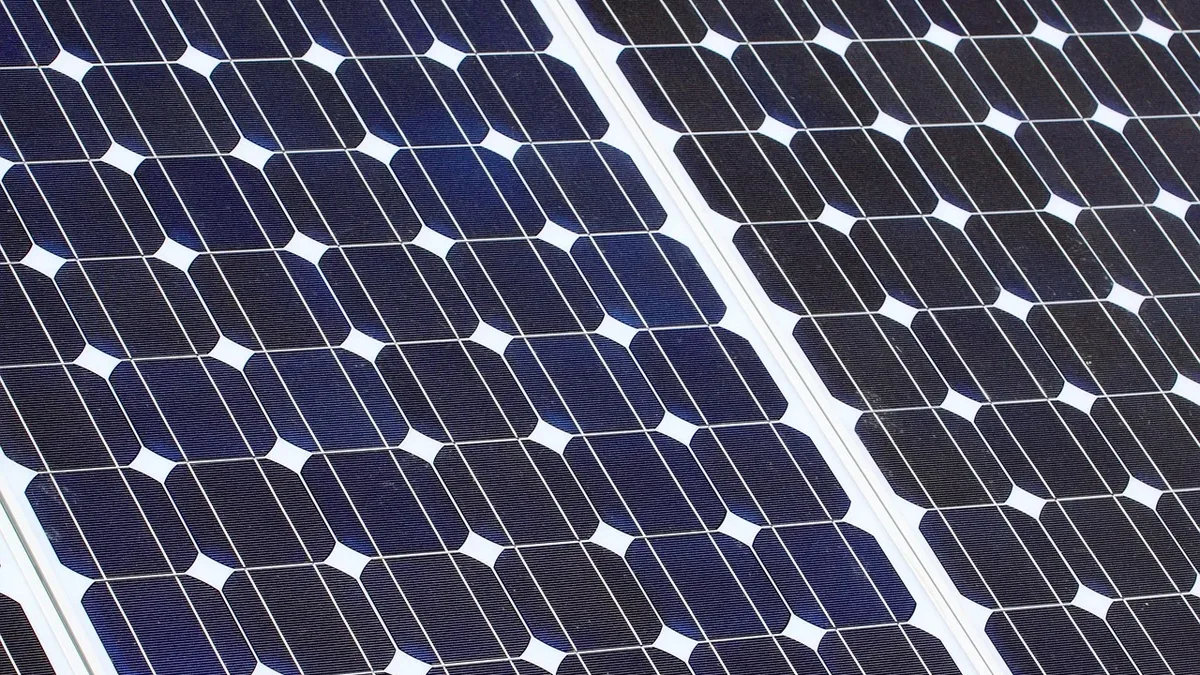
TOPCon Module Pricing Holds Amid U.S. Trade Policy
Solar module prices in China and the U.S. Showed divergent trends ahead of Section 232 enforcement, with U.S. Spot prices stable and Chinese domestic...
Section 232 tariff drives solar module prices up over 40%
A new 15% tariff on polysilicon imports, effective December 4, has already pushed median U.S. solar module prices from $0.27/W to $0.38/W.
Websol Secures West Bengal Land for 4GW Solar Plant
Websol Energy System has obtained 21.9 hectares in West Bengal's Falta Industrial Park to build a 4GW solar cell and module factory, with the first...