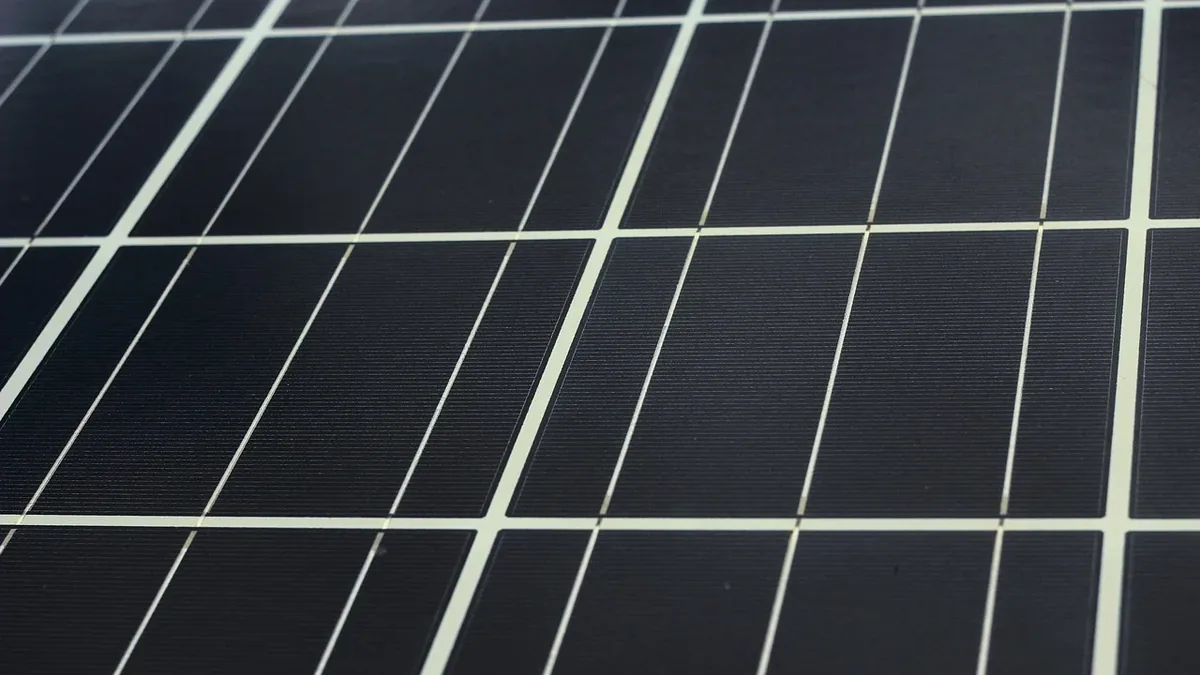
Solar Modules And Cells
| Country of origin | United States |
|---|---|
| First created | 1950s |
| Original use | Converting sunlight directly into electricity |
| Efficiency (commercial) | 15% to 22% |
| Typical lifespan | 25 to 30 years |
| Key materials | Crystalline silicon or thin-film semiconductors |
| Power output (standard module) | 250W to 400W |
| Operating temperature range | -40°C to 85°C |
Origin and history
The foundational principle of the photovoltaic effect, which enables solar cells to convert light into electricity, was first observed in France in the 19th century. Practical development of silicon-based solar cells began in the mid-20th century, primarily in the United States at Bell Laboratories. These early cells were extremely expensive and were initially used for specialized applications such as powering satellites in space. The technology saw significant advancement and cost reduction from the late 20th century onward, driven by research and manufacturing efforts in Japan, Germany, and later China. The modern solar module, which encapsulates and connects many individual cells into a durable panel, evolved as the standard form for terrestrial energy generation. Today, solar photovoltaic technology is a globally developed and manufactured product, with its supply chain and innovation centers spread across multiple continents.
What it is for
Solar modules and cells are designed to generate electrical power directly from sunlight, serving as the core component of photovoltaic (PV) energy systems. Their primary application is in utility-scale solar farms, where thousands of modules are installed over large areas to feed electricity into the public grid. They are equally critical for distributed generation, such as rooftop installations on residential, commercial, and industrial buildings, allowing for on-site power consumption. Off-grid systems rely on solar modules to provide electricity in remote locations for telecommunications, water pumping, and rural electrification. The technology is also integrated into building materials, like solar shingles and facades, serving a dual structural and power-generating function. Furthermore, solar cells power a vast array of small electronic devices, from calculators to roadside sensors, where connection to the electrical grid is impractical.
Overview
A solar cell is a semiconductor device, typically made from crystalline silicon, that generates direct current (DC) electricity when exposed to sunlight. Multiple solar cells are electrically connected, sealed, and protected behind glass to form a weatherproof solar module, commonly called a panel. The DC electricity produced by modules is routed through an inverter, which converts it to alternating current (AC) compatible with standard electrical grids and appliances. A complete PV system includes mounting structures to secure the modules, wiring, inverters, and often a monitoring system to track performance. System sizing and configuration vary dramatically, from a single module for a small light to thousands for a power plant. The operational principle involves photons from sunlight knocking electrons loose within the semiconductor material, creating a flow of electric current.
What to know
Solar module power output is standardized and rated under laboratory conditions, measured in watts-peak (Wp), but real-world generation is consistently lower due to weather, temperature, and shading. The efficiency of a module, which is the percentage of sunlight energy converted to electricity, is a key metric but not the sole determinant of system value, as cost and durability are equally important. Performance degrades slowly over time, with manufacturers typically guaranteeing 80-90% of original output after 25 to 30 years of operation. Installation orientation, tilt angle, and local solar irradiance are critical factors determining annual energy yield, with even minor shading causing significant output loss. Grid-connected systems often involve net metering agreements with utilities, which govern how excess generated power is credited or compensated. Regular cleaning and professional maintenance are required to ensure soiling from dust, pollen, or snow does not persistently reduce energy production.
Common questions
What is the difference between monocrystalline and polycrystalline silicon modules? Monocrystalline cells are made from a single crystal structure, offering higher efficiency and a darker, uniform appearance, while polycrystalline cells are made from multiple crystal fragments, are typically less efficient, and have a blue, speckled look. Do solar modules work on cloudy days or in winter? They do produce power under diffuse light on cloudy days and in winter, but their output is significantly reduced compared to a clear, sunny day; snow cover can completely halt generation until cleared. How is solar power stored for use at night? For off-grid or backup applications, battery storage systems, such as lithium-ion or lead-acid banks, are used to store excess daytime production for use when the sun is not shining. What happens to a solar module at the end of its life? Recycling processes exist to recover valuable materials like silicon, silver, copper, and glass, though dedicated recycling infrastructure is still scaling up in many regions. Are there alternatives to silicon-based solar cells? Yes, thin-film technologies using materials like cadmium telluride (CdTe) or copper indium gallium selenide (CIGS) offer different efficiency, cost, and flexibility profiles but hold a smaller market share.
Pros and cons
A primary advantage is the generation of electricity with no moving parts, no air pollution, and no greenhouse gas emissions during operation, with very low ongoing operating costs once installed. The technology is highly modular and scalable, allowing for installations of virtually any size from a few watts to hundreds of megawatts. A significant drawback is the intermittent nature of its power generation, which does not align perfectly with electricity demand patterns, creating a need for complementary energy storage or backup generation. Owners often regret their investment when initial site assessments are poor, leading to underperformance from persistent shading, incorrect orientation, or unrealistic yield expectations. The upfront capital cost remains a substantial barrier despite decades of price decline, and the financial payback period is highly sensitive to local electricity rates and incentive policies. A common mistake is selecting the cheapest equipment or installer without regard for long-term reliability, leading to higher maintenance costs or premature failure that erodes savings.
Who it suits
This technology best suits property owners with unshaded, structurally sound rooftops or land areas that receive strong, direct sunlight for a significant portion of the day. It is a logical choice for individuals or organizations with high daytime electricity consumption and access to favorable net metering or feed-in tariff policies to improve economics. Off-grid applications are essential for remote cabins, agricultural operations, or telecommunications infrastructure where extending the conventional power grid is prohibitively expensive or impossible. Entities with sustainability or carbon reduction goals, such as corporations, universities, and municipalities, integrate large-scale solar into their energy portfolios to meet these targets. Homeowners and businesses in regions with high and volatile retail electricity prices often find solar provides a valuable hedge against future utility rate increases. It is less suitable for those with heavily shaded properties, those planning to move in the near term before realizing payback, or locations with very low electricity costs and no financial incentives.
Latest Solar Modules And Cells news
Latest reporting

BIPV Façade Study Reveals Grid and Economic Benefits
A global IEA study of 357 BIPV configurations finds vertical façades smooth solar generation curves and improve economic viability by displacing
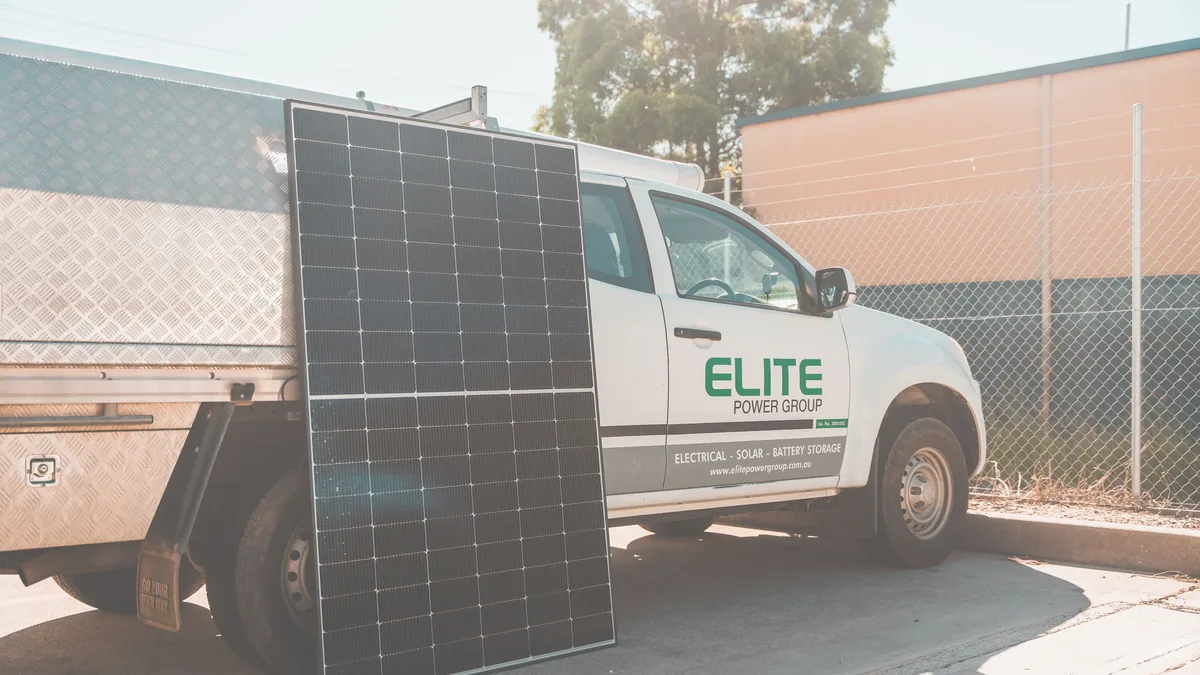
CertainTeed Launches Landmark PWR Solar Shingle System
CertainTeed has launched the Landmark PWR, an 85 W building-integrated photovoltaic shingle system designed to replace rack-mounted solar arrays with...
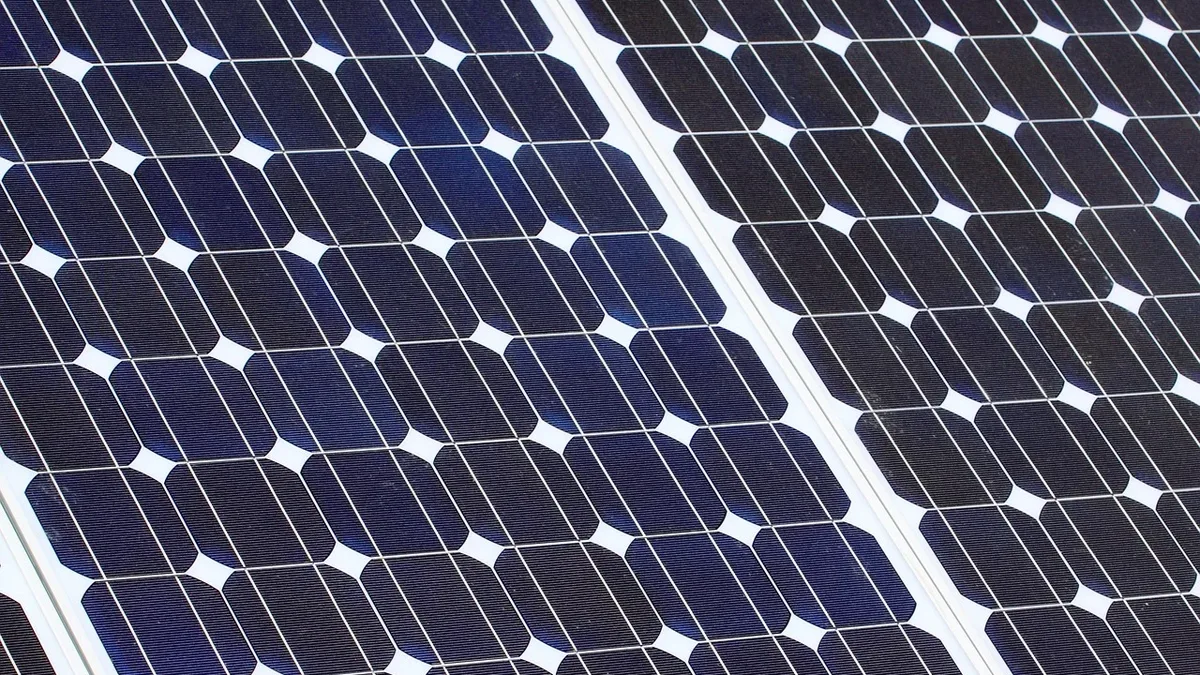
India's Solar Manufacturing Surge Faces Cell Supply
India added 50.6GW of solar module and 9.7GW of cell capacity in H1 2026, but a critical shortage of domestic cells is slowing production and project
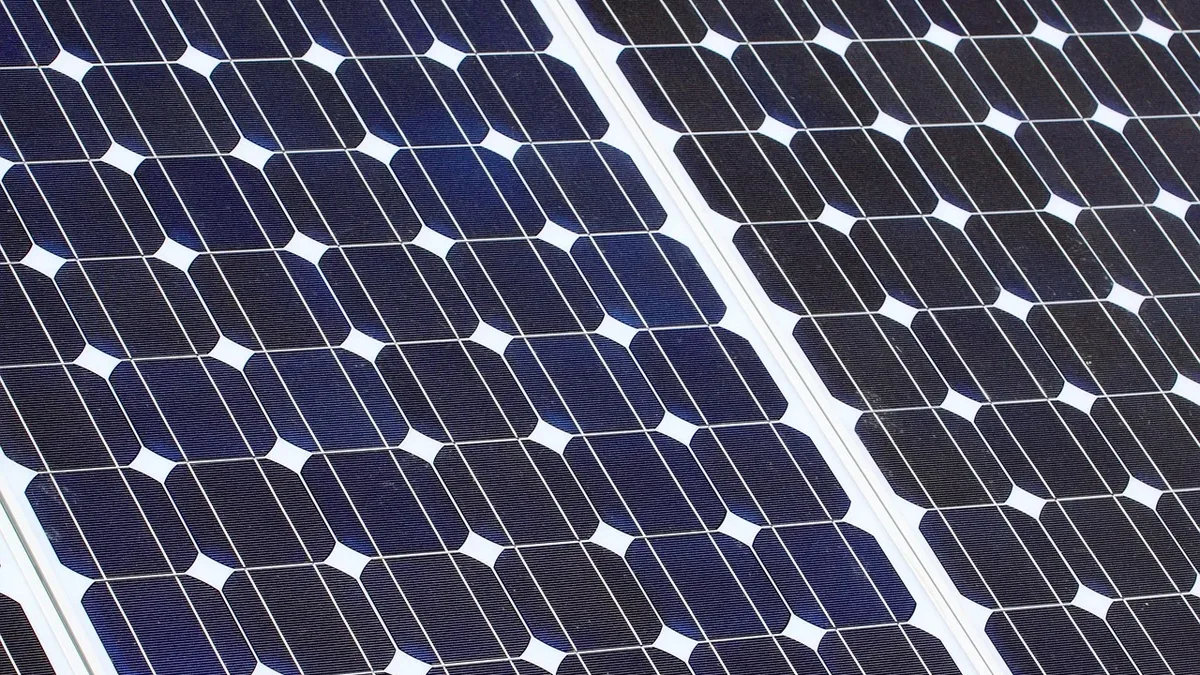
TOPCon Module Pricing Holds Amid U.S. Trade Policy
Solar module prices in China and the U.S. Showed divergent trends ahead of Section 232 enforcement, with U.S. Spot prices stable and Chinese domestic...
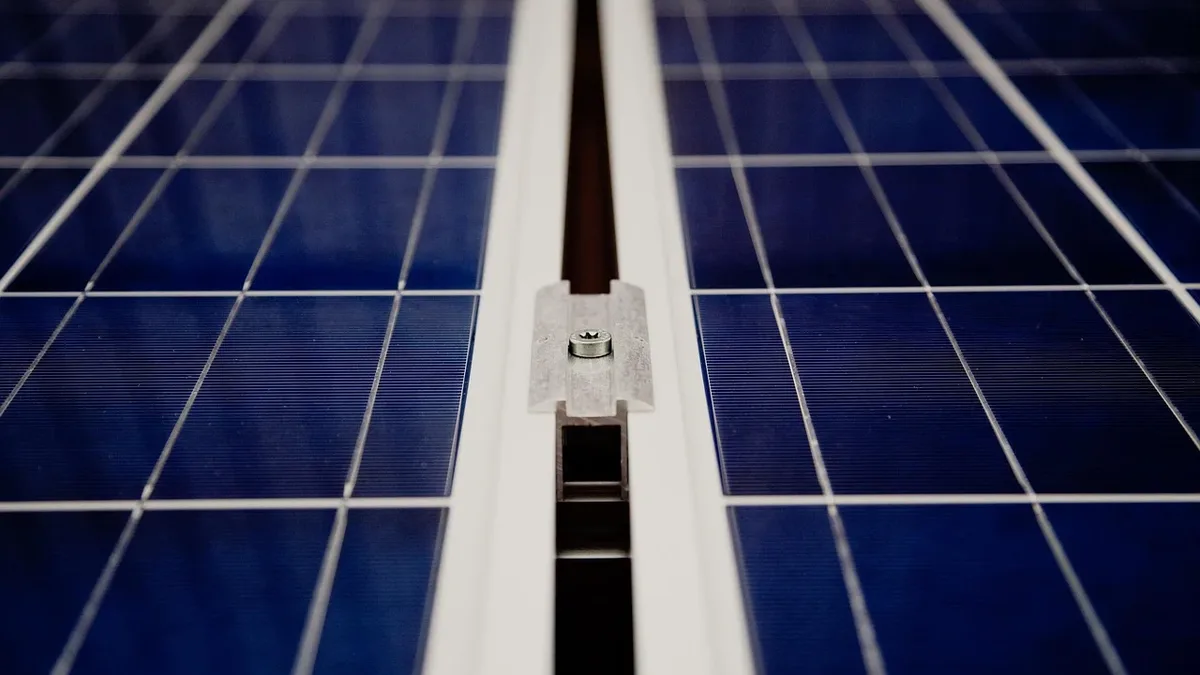
Section 232 tariff drives solar module prices up over 40%
A new 15% tariff on polysilicon imports, effective December 4, has already pushed median U.S. solar module prices from $0.27/W to $0.38/W.
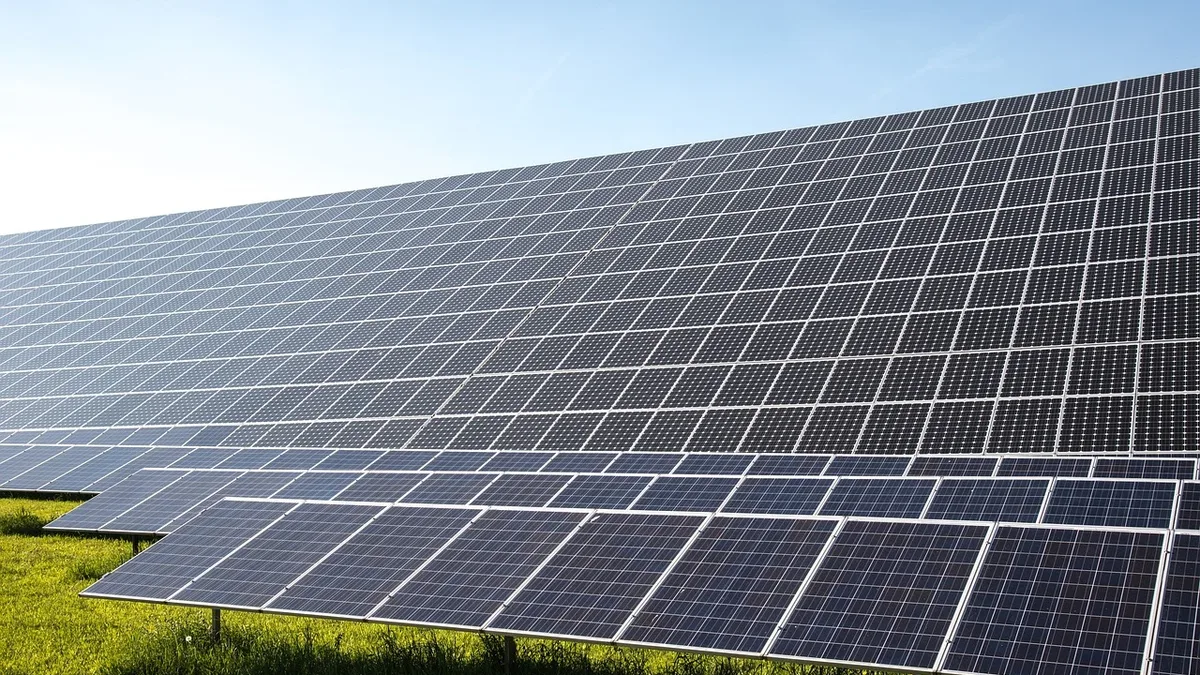
Websol Secures West Bengal Land for 4GW Solar Plant
Websol Energy System has obtained 21.9 hectares in West Bengal's Falta Industrial Park to build a 4GW solar cell and module factory, with the first...