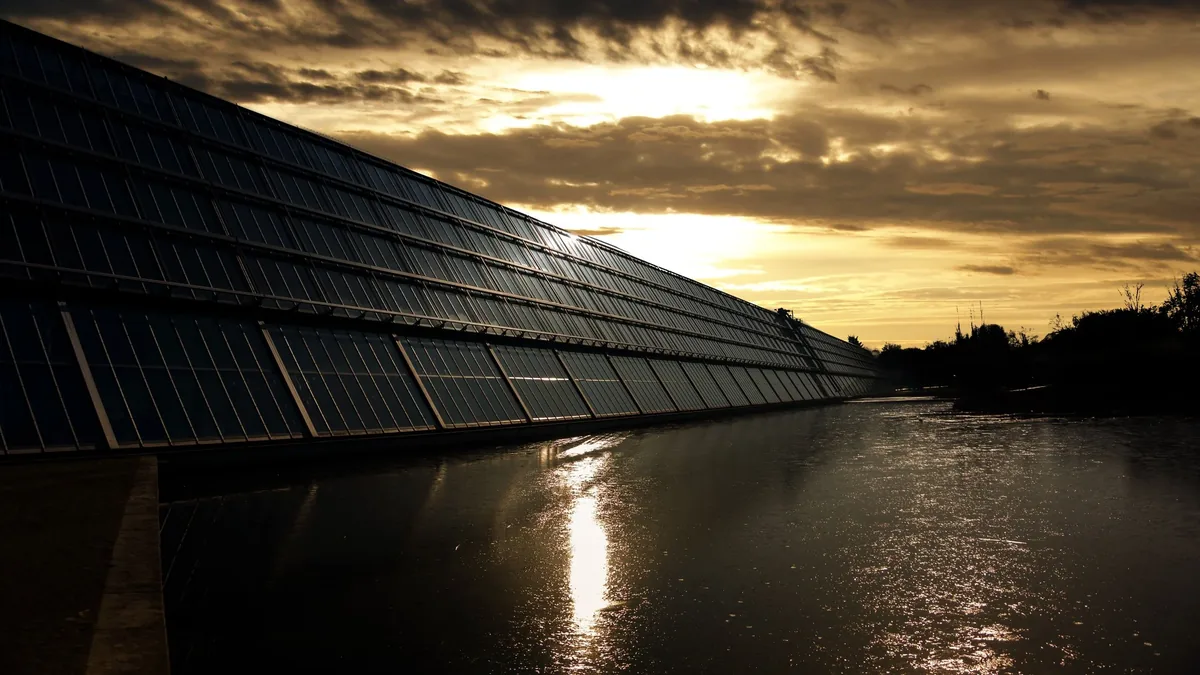
Small Hydro And Canal Top Solar
| Technology type | Combination of small-scale run-of-river hydropower and solar photovoltaic arrays installed over irrigation canals. |
|---|---|
| Primary components | Hydraulic turbine generator(s) and solar panels mounted on canal-top supporting structures. |
| Key synergy | Shared use of land/water body, reduced water evaporation from the canal, potential for shared grid connection infrastructure. |
| Common power capacity range | Typically under 10 MW for the solar component; hydropower component dependent on canal flow. |
| Typical location | On existing irrigation canal networks, often in agricultural regions. |
| Original use | Simultaneous generation of renewable electricity without consuming additional land. |
| Main construction challenge | Structural design of supports over water and managing operations with seasonal water flow/variation. |
Origin and history
Small hydro power has ancient origins, with waterwheels used for mechanical power for centuries, but its modern application for electricity generation began in the late 19th and early 20th centuries alongside the development of hydropower technology. Canal top solar is a more recent innovation, conceptualized and first implemented in India in the early 21st century as a solution to land-use conflicts. The specific integrated concept of co-locating small hydro and canal top solar on the same water infrastructure is a contemporary hybrid approach developed primarily in India. This combined model leverages existing canal networks for dual energy generation without requiring new land acquisition. The integration addresses the intermittent nature of solar power by pairing it with the more consistent, often monsoon-driven, flow of small hydro. Historical development of canal systems for irrigation provided the pre-existing infrastructure that made this hybrid model feasible and economically attractive in regions like Gujarat and Punjab.
What it is for
This hybrid technology is designed for the simultaneous generation of renewable electricity from two complementary sources using a single piece of water conveyance infrastructure. Its primary purpose is to maximize energy output per unit of land and water resource, addressing critical constraints in densely populated and agriculturally intensive regions. The system specifically aims to reduce evaporation from canals by covering them with solar panels, thereby conserving water for irrigation and other uses. It is intended to provide a more stable power supply than solar alone, as the hydro component can generate during evenings, nights, and monsoon periods when solar irradiance is low. The technology serves to repurpose existing public infrastructure, such as irrigation canal networks, for additional utility without displacing agricultural or community land. Furthermore, it is deployed to help national and regional governments meet renewable energy targets while mitigating social and environmental conflicts often associated with large-scale renewable projects.
Overview
Small hydro and canal top solar is a hybrid renewable energy system that combines two generation methods on a single canal network. The "small hydro" component typically refers to run-of-the-river or canal-based hydropower plants with capacities below 25 MW, often using turbines installed at canal drops or weirs to harness the kinetic energy of flowing water. The "canal top solar" element involves mounting photovoltaic (PV) panel arrays on structures built over the canals, effectively creating a solar roof over the waterway. These two systems operate independently but are connected to the grid from the same site, sharing transmission infrastructure and grid interconnection points. The physical integration is made possible by utilizing the space over the canal for solar panels while the water flow beneath continues to power the hydro turbines. This configuration creates a multi-purpose infrastructure asset that generates electricity, conserves water, and maintains the canal's primary irrigation function without additional land footprint.
What to know
The viability of this hybrid model is highly dependent on pre-existing canal geometry, flow consistency, and available hydraulic head, meaning it cannot be deployed arbitrarily but only on suitable canal networks. A key technical consideration is the structural design of the mounting system for the solar panels, which must withstand humidity, occasional submersion, and weight loads while spanning the canal. The hydro component's output is seasonal, often peaking during monsoon periods with higher water flow, which inversely correlates with lower solar irradiance due to cloud cover, demonstrating a natural complementarity. Grid integration requires careful management because both sources are variable, though their combined profile is smoother than solar alone, reducing grid stability challenges. The capital cost is significant due to the specialized civil works and mounting structures required, though it is offset by savings from avoided land acquisition costs and shared electrical balance-of-system components. Water conservation through reduced evaporation is a significant co-benefit, particularly in arid regions, with the solar panels providing shade that lowers water temperature and inhibits algal growth.
Common questions
How does the system impact the operation and maintenance of the underlying canal? The structures are designed to allow access for canal cleaning and maintenance, though it may require more coordinated planning and can increase operational complexity. Does the hybrid system require water release schedules to be altered for energy generation? Typically, the hydro component is designed to operate within the existing irrigation release patterns, prioritizing water delivery over power generation, making it a non-consumptive user of water. What happens during periods of canal drying or scheduled maintenance when water flow stops? The hydro generation ceases, but the solar component continues to operate unaffected, ensuring some continuous energy output from the site. Are there concerns about panel efficiency due to the humid environment over water? While the cooler microclimate under the panels can actually improve PV efficiency, the high humidity necessitates the use of corrosion-resistant materials and may increase maintenance requirements. How is the electricity from the two sources managed? They often feed into separate inverters and transformers but are combined at a common substation before connecting to the grid, though some newer designs explore shared power electronics. Is this technology scalable to very large canal networks? Deployment is modular and can be extended along canal lengths, but economic and grid-connection constraints typically limit projects to specific, high-potential reaches with adequate head and width.
Pros and cons
A major advantage is the highly efficient use of space and existing public infrastructure, eliminating the need for large land parcels and avoiding the social conflicts and ecological damage of land acquisition. The dual generation provides a more balanced power output profile, with solar peaking during the day and hydro potentially supplementing during evening hours and monsoon seasons, enhancing grid stability. Significant water savings from reduced evaporation directly benefit water-stressed agricultural regions, adding a critical resource conservation element beyond energy production. A primary disadvantage is the high initial capital expenditure due to the custom-designed, corrosion-resistant mounting structures and complex civil works required over water, which can be a barrier to financing. The hydro component's generation is often highly seasonal and dependent on irrigation schedules, meaning its capacity factor can be low and unpredictable, potentially undermining project economics. A common mistake is underestimating the ongoing maintenance challenges and costs associated with accessing and servicing equipment over water and in a humid environment, which can lead to increased downtime and underperformance.
Who it suits
This technology is particularly suited for governments and public utilities, especially irrigation or water resource departments, that manage extensive canal networks and seek to monetize existing infrastructure while supporting renewable energy goals. It is appropriate for regions with high solar insolation, established canal systems with adequate and consistent flow, and significant competition for agricultural land, such as parts of India, Pakistan, and other South Asian countries. The model suits project developers and investors who can navigate public-private partnership structures and are focused on long-term operational stability rather than the lowest possible upfront cost per watt. It is less suitable for areas with narrow, small-discharge canals, regions with minimal solar resources, or locations where canal flow is highly intermittent or seasonal without complementary grid support. Organizations with strong technical expertise in both solar PV and small hydro engineering, as well as corrosion management, are best positioned to implement these projects successfully and avoid operational pitfalls.
Latest Small Hydro And Canal Top Solar news
Latest reporting

BIPV Façade Study Reveals Grid and Economic Benefits
A global IEA study of 357 BIPV configurations finds vertical façades smooth solar generation curves and improve economic viability by displacing
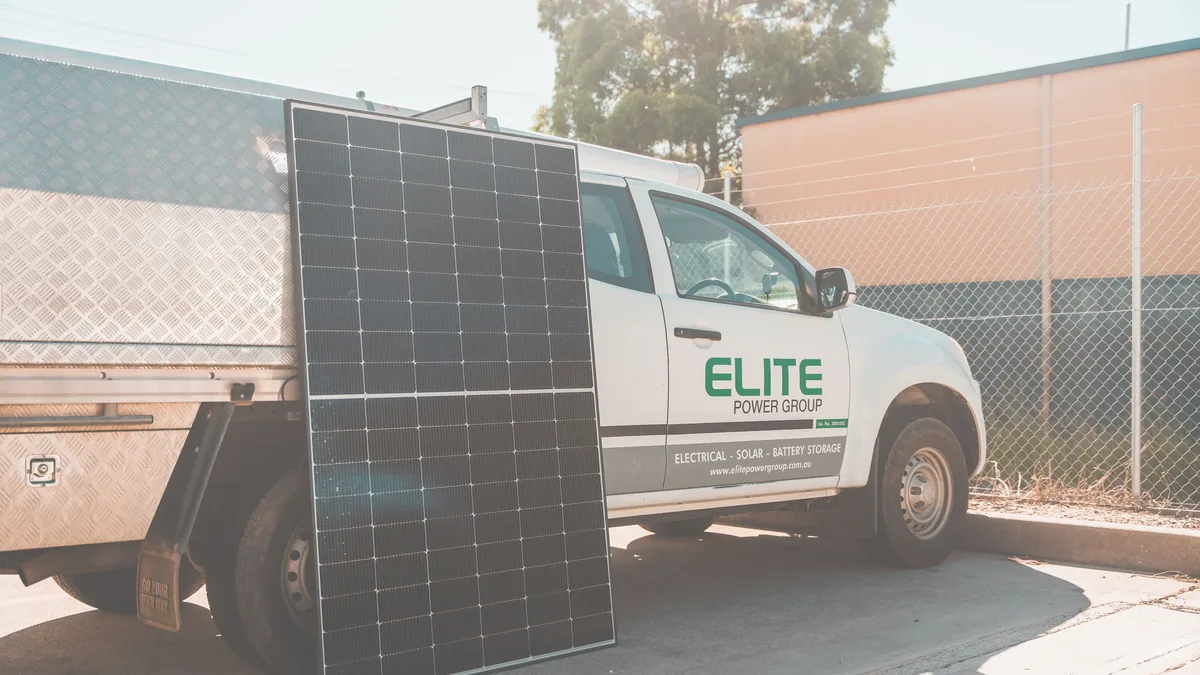
CertainTeed Launches Landmark PWR Solar Shingle System
CertainTeed has launched the Landmark PWR, an 85 W building-integrated photovoltaic shingle system designed to replace rack-mounted solar arrays with...
India's Solar Manufacturing Surge Faces Cell Supply
India added 50.6GW of solar module and 9.7GW of cell capacity in H1 2026, but a critical shortage of domestic cells is slowing production and project
TOPCon Module Pricing Holds Amid U.S. Trade Policy
Solar module prices in China and the U.S. Showed divergent trends ahead of Section 232 enforcement, with U.S. Spot prices stable and Chinese domestic...
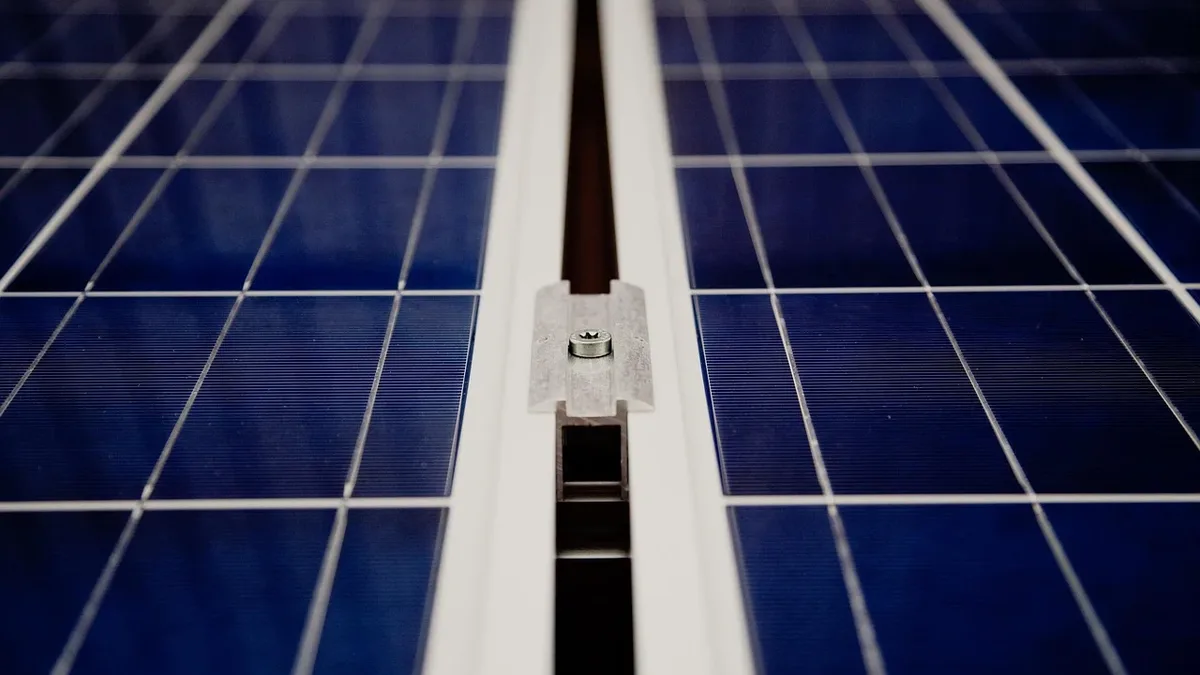
Section 232 tariff drives solar module prices up over 40%
A new 15% tariff on polysilicon imports, effective December 4, has already pushed median U.S. solar module prices from $0.27/W to $0.38/W.
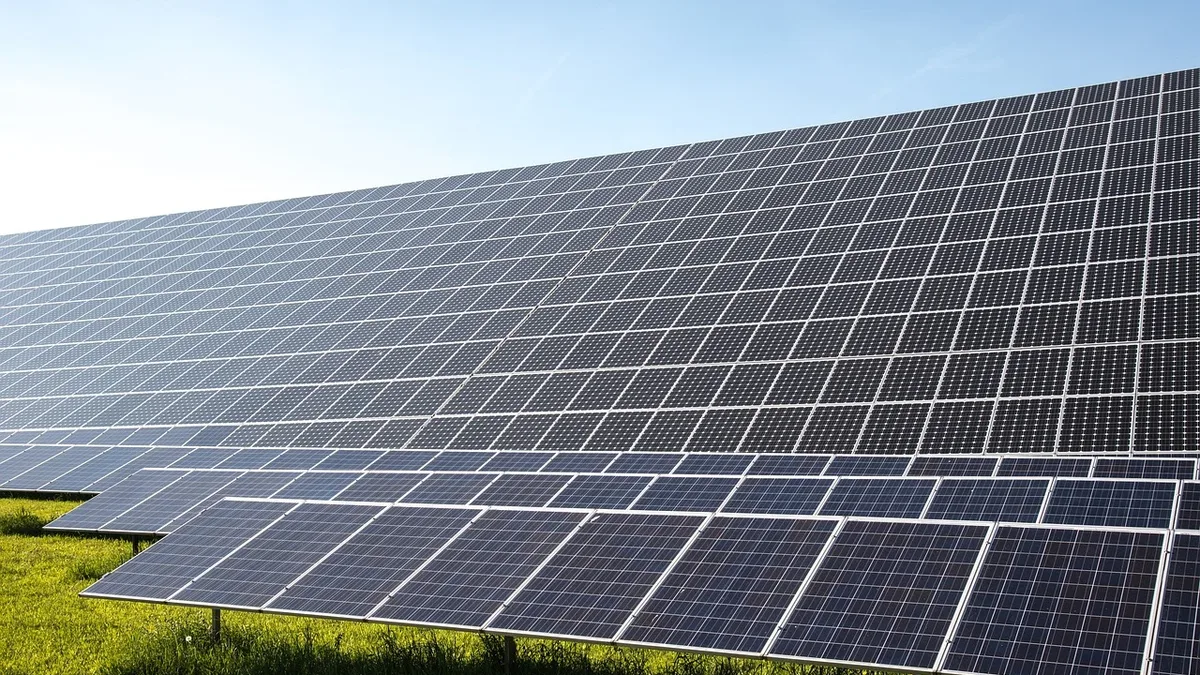
Websol Secures West Bengal Land for 4GW Solar Plant
Websol Energy System has obtained 21.9 hectares in West Bengal's Falta Industrial Park to build a 4GW solar cell and module factory, with the first...