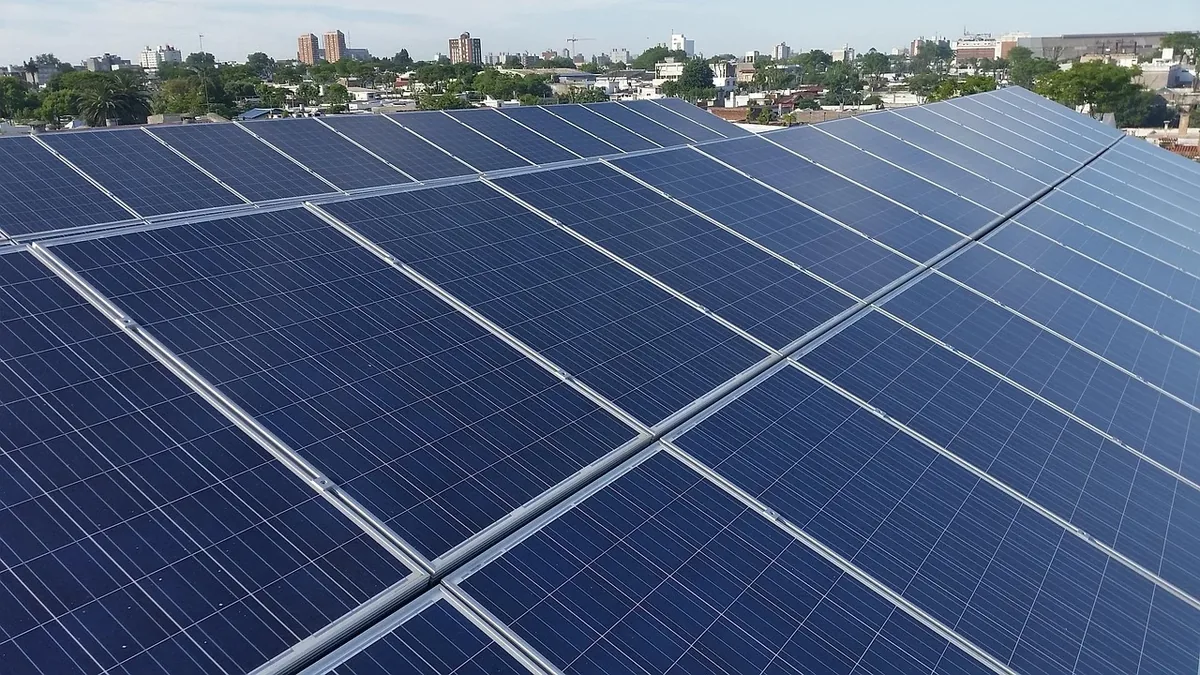
Rooftop And Commercial And Industrial Solar
| Technology type | Photovoltaic solar power generation |
|---|---|
| Project type | Rooftop, commercial, or industrial-scale installation |
| Typical system size | 10 kW to 1 MW+ |
| Primary components | Solar panels, inverters, racking/mounting system, monitoring equipment |
| Primary function | On-site electricity generation for self-consumption and/or grid export |
| Typical installation surface | Building rooftops, carports, or ground-mounted on industrial land |
| Original use | Converting sunlight into electrical energy for local use or distribution |
Origin and history
The foundational technology for Rooftop And Commercial And Industrial Solar is the photovoltaic effect, first demonstrated in France in the 19th century. Practical silicon solar cells were developed in the United States in the mid-20th century, initially for space satellite applications. The adaptation of these cells for terrestrial power generation began in earnest during the 1970s energy crises, primarily in the United States, Japan, and Germany. Early commercial and industrial installations were often bespoke, high-cost demonstrations on corporate facilities or remote industrial sites. The widespread deployment on commercial rooftops and industrial land accelerated in the first decades of the 21st century as module costs fell dramatically. This specific application segment evolved from a niche demonstration technology into a standardized component of building and facility energy infrastructure.
What it is for
This technology is for generating electrical power directly at the point of consumption on commercial, industrial, or institutional buildings and properties. Its primary purpose is to offset a portion of a site's electricity consumption from the utility grid, thereby reducing energy costs and providing a measure of price stability. For entities with sustainability goals, it serves to reduce the carbon footprint and greenhouse gas emissions associated with their operations. In some cases, especially for industrial facilities with large, contiguous land areas, solar installations can be sized to meet a significant portion of the site's total load. The technology can also serve a secondary purpose of providing shade or covering for parking areas, warehouses, or other structures when installed as carports or canopy systems. For grid operators, distributed generation from these sources can help reduce local demand peaks and defer investments in grid upgrades.
Overview
Rooftop And Commercial And Industrial Solar refers to photovoltaic (PV) systems installed on or adjacent to non-residential buildings and facilities. These systems are typically grid-connected, meaning they operate in parallel with the local utility electricity network, and range in scale from tens of kilowatts to multiple megawatts. The core components include PV modules, mounting structures engineered for specific roof types or ground conditions, inverters to convert direct current to alternating current, and necessary electrical safety and grid interconnection equipment. Unlike utility-scale solar farms, these projects are characterized by their siting on already-developed land, such as warehouse roofs, factory grounds, or commercial parking lots. System design must rigorously account for structural loading, existing electrical infrastructure, and the host site's specific energy consumption patterns. The financial and contractual models for these projects often involve third-party ownership, such as power purchase agreements, where a developer owns and maintains the system while the host site purchases the generated electricity.
What to know
The economic viability of a project is first determined by a site's solar resource, local electricity rates, and available incentives or net metering policies, not merely by the cost of the panels. Structural engineering assessments are a critical, non-negotiable first step for rooftop projects to verify the building can support the additional dead and wind loads over the system's 25-plus year lifespan. Interconnection agreements with the local utility are legally required and dictate technical specifications for safety and power quality, with the process varying significantly by region and project size. Operations and maintenance are essential for long-term performance and typically involve regular cleaning, vegetation management for ground-mounted systems, and monitoring of inverter function and energy yield. The choice between owning the system outright or using a third-party financing model has major implications for capital expenditure, operational responsibility, and long-term financial benefit. Understanding the host site's load profile is crucial, as the value of solar generation is highest when it coincides with periods of peak electricity consumption and highest utility rates.
Common questions
What is the typical payback period or return on investment for a commercial solar installation? How does net metering work for a business, and what happens if policies change? What are the main risks to a roof's integrity, and does the installation void existing roofing warranties? How is system performance monitored, and what are the common causes of underperformance over time? What happens to the system at the end of its useful life, and what are the recycling options for the panels? For a Power Purchase Agreement, what are the key contract terms to scrutinize, such as annual price escalators, maintenance clauses, and system removal obligations?
Pros and cons
A primary advantage is the direct reduction of operational energy costs, providing a hedge against volatile electricity prices and improving long-term budget predictability. These systems also offer a tangible demonstration of environmental commitment, which can enhance brand image and satisfy corporate sustainability mandates. A significant pro is the utilization of underutilized space, such as large, flat rooftops or marginal land on an industrial property, to generate value. However, a major con is the high upfront capital requirement, which can be a barrier despite improving returns, and complex financing arrangements can lock a business into long-term contracts. Common regrets stem from inadequate due diligence, such as failing to account for future roof replacements, leading to costly system dismantling and reinstallation, or underestimating soft costs like permitting and interconnection. A frequent mistake is oversizing a system without a strategic plan for consuming the generated power, especially in regions with unfavorable net metering or export rates, which erodes financial returns.
Who it suits
This technology best suits commercial and industrial entities with high, consistent daytime electricity consumption, such as manufacturing facilities, cold storage warehouses, and retail operations with large footprints. It is particularly advantageous for businesses with high electricity costs relative to other operational expenses and those operating in regions with strong solar resources and supportive regulatory frameworks. Organizations with long-term stability in their facilities, either through ownership or long leases, are ideal candidates, as they can realize the full benefit of the system's lifespan. Companies with explicit carbon reduction targets or Environmental, Social, and Governance reporting requirements find it a direct and measurable method to cut emissions. It also suits property developers and owners seeking to enhance the value and marketability of their buildings by offering lower operating costs to tenants. Conversely, it is less suited for businesses with low, irregular energy use, those in frequently shaded locations, or entities planning to relocate or redevelop their property in the near term.
Latest Rooftop And Commercial And Industrial Solar news
Latest reporting

BIPV Façade Study Reveals Grid and Economic Benefits
A global IEA study of 357 BIPV configurations finds vertical façades smooth solar generation curves and improve economic viability by displacing
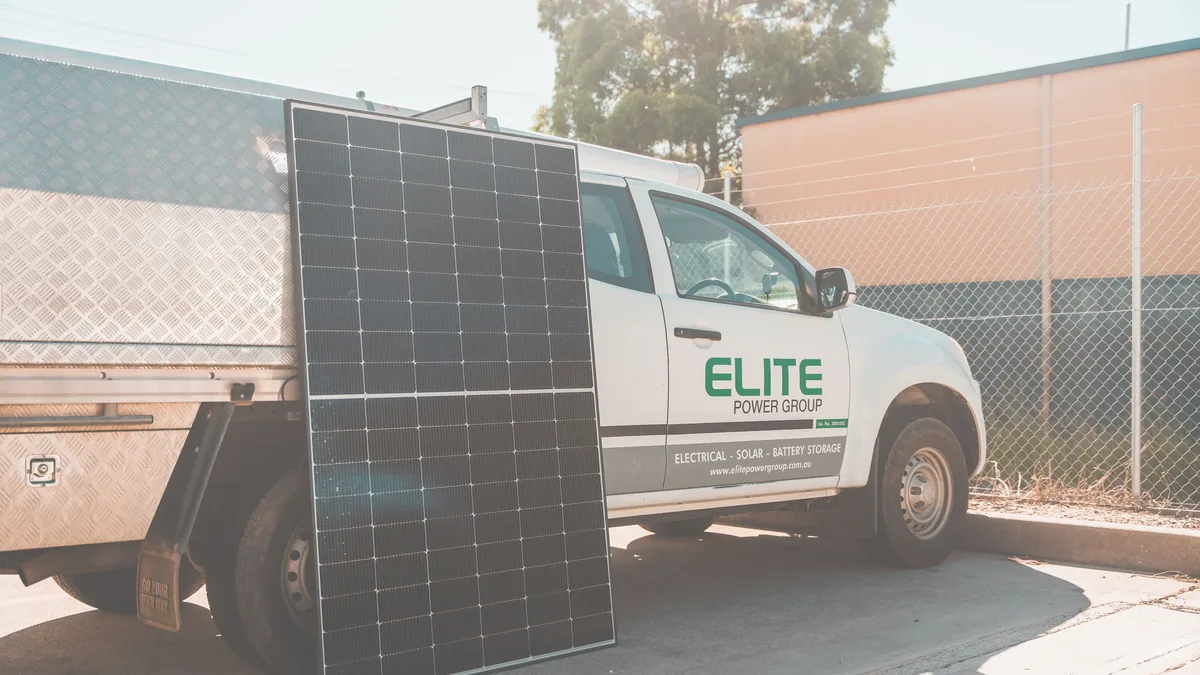
CertainTeed Launches Landmark PWR Solar Shingle System
CertainTeed has launched the Landmark PWR, an 85 W building-integrated photovoltaic shingle system designed to replace rack-mounted solar arrays with...
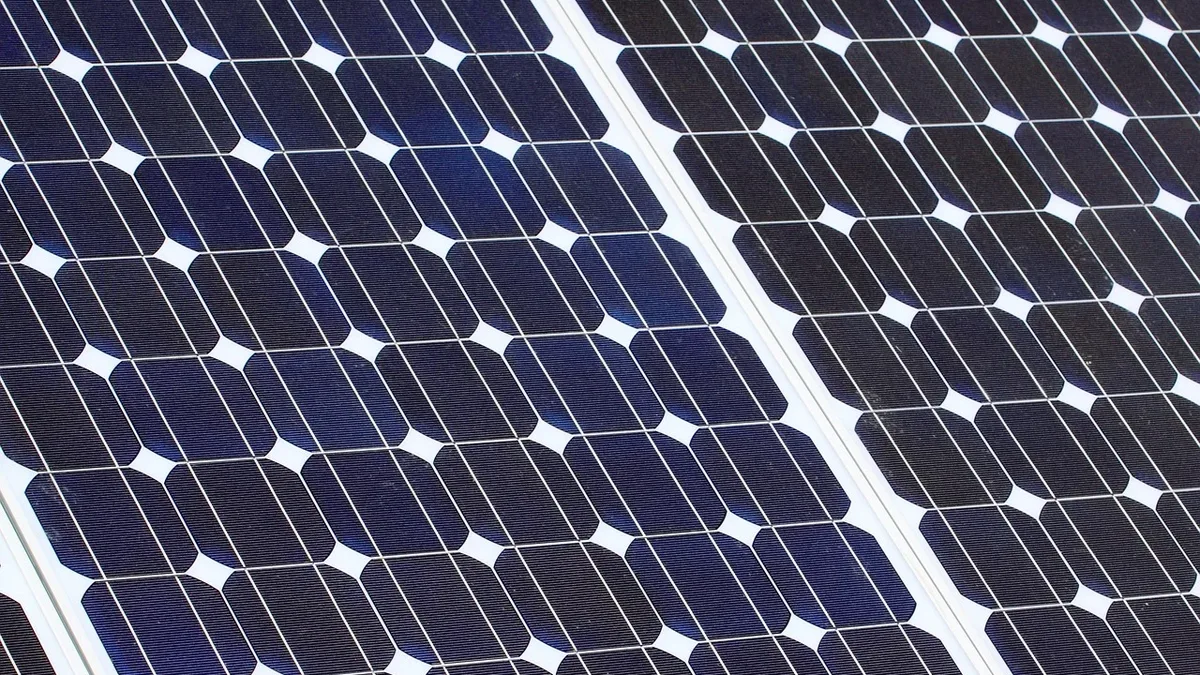
India's Solar Manufacturing Surge Faces Cell Supply
India added 50.6GW of solar module and 9.7GW of cell capacity in H1 2026, but a critical shortage of domestic cells is slowing production and project
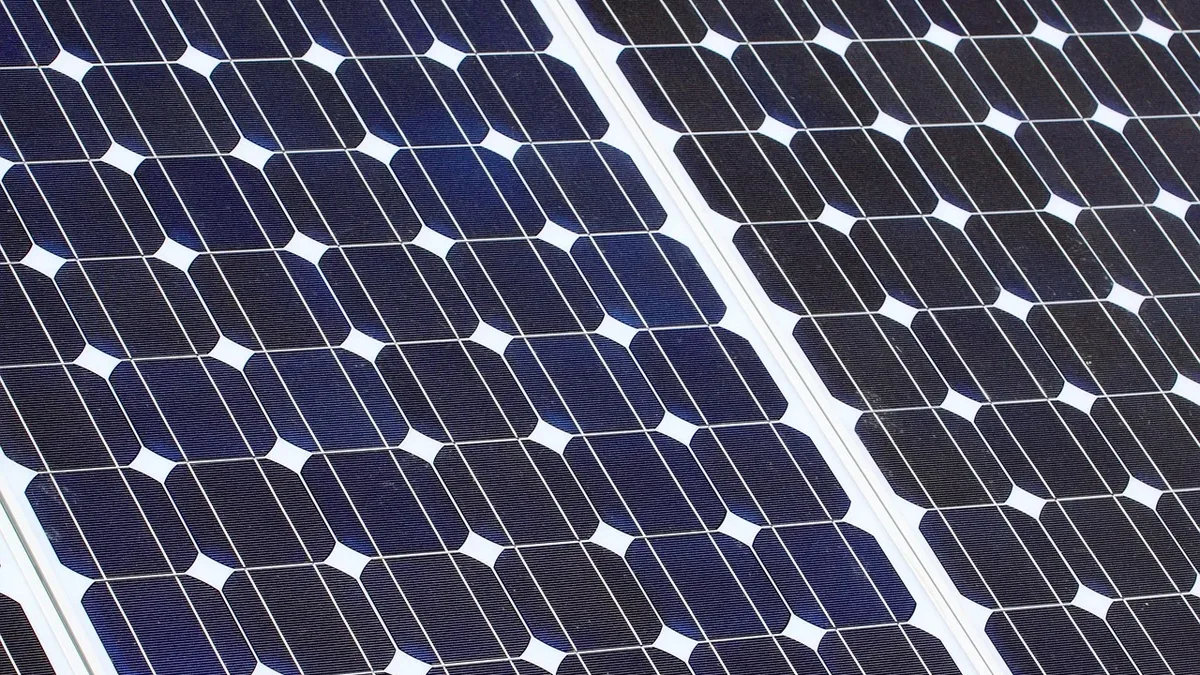
TOPCon Module Pricing Holds Amid U.S. Trade Policy
Solar module prices in China and the U.S. Showed divergent trends ahead of Section 232 enforcement, with U.S. Spot prices stable and Chinese domestic...
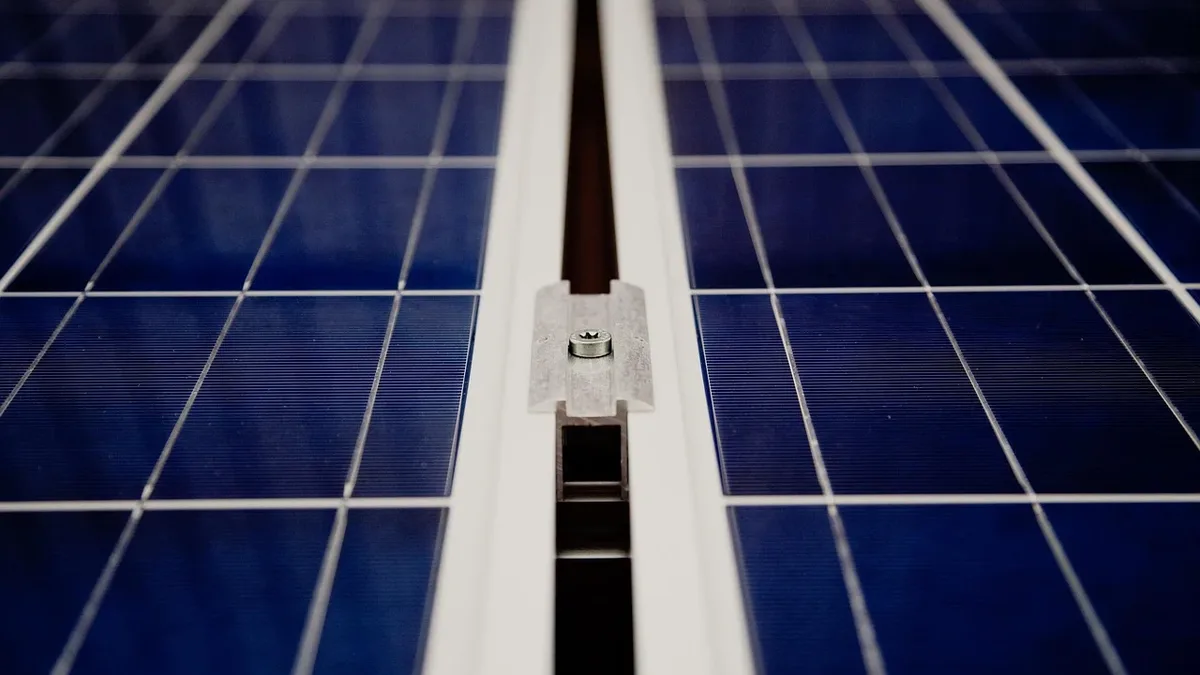
Section 232 tariff drives solar module prices up over 40%
A new 15% tariff on polysilicon imports, effective December 4, has already pushed median U.S. solar module prices from $0.27/W to $0.38/W.
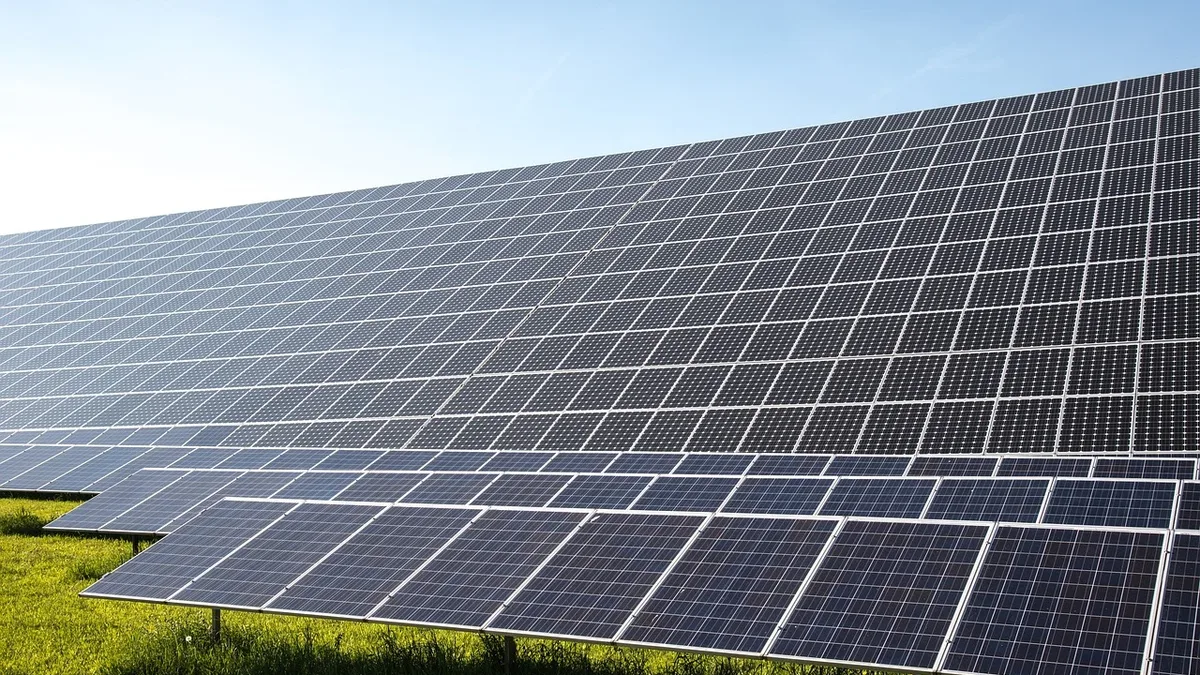
Websol Secures West Bengal Land for 4GW Solar Plant
Websol Energy System has obtained 21.9 hectares in West Bengal's Falta Industrial Park to build a 4GW solar cell and module factory, with the first...