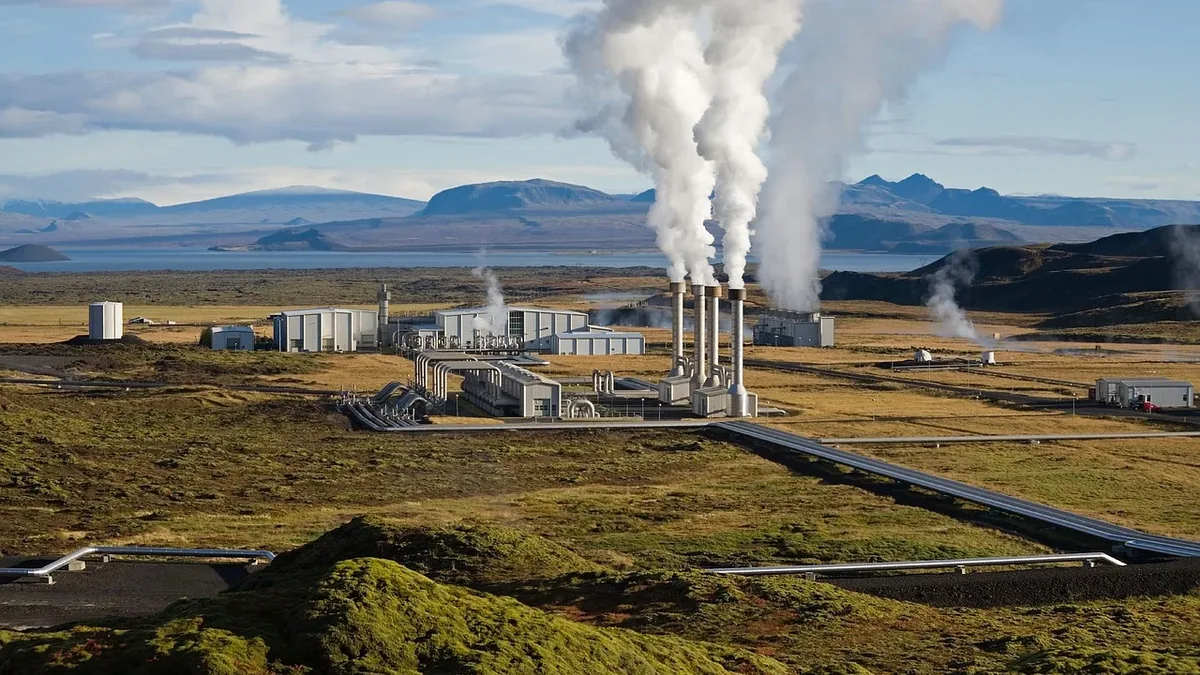
Indonesia
| Technology type | Geothermal power generation |
|---|---|
| Project name | Sarulla Geothermal Power Plant |
| Country of origin | Indonesia |
| Original use | Electricity generation from geothermal resources |
| Installed capacity | 330 MW |
| Generation type | Combined cycle (flash and binary) |
| Developer consortium | Medco Energi, INPEX, Ormat Technologies, Itochu Corporation |
Origin and history
The Republic of Indonesia is a sovereign nation and archipelagic state located in Southeast Asia. Its modern political identity was forged in the mid-20th century following a prolonged period of Dutch colonial rule, which consolidated administrative control over much of the archipelago. The concept of a unified Indonesian state was championed by nationalist movements in the early 1900s, culminating in a proclamation of independence on August 17, 1945, after the Japanese occupation during World War II. The following four years involved a diplomatic and armed struggle against Dutch attempts to reestablish control, a conflict internationally recognized as the Indonesian National Revolution. Recognition of Indonesian sovereignty was achieved in December 1949, though the nation's current territorial form, encompassing thousands of islands, was finalized in later decades. Its history, however, is deeply rooted in ancient maritime kingdoms and empires, such as Srivijaya and Majapahit, which controlled regional trade routes for centuries prior to European arrival.
What it is for
Indonesia functions as a unified republic designed to govern a vast and ethnically diverse archipelago spanning major sea lanes between the Indian and Pacific Oceans. Its political and administrative structures exist to maintain national sovereignty, provide public services, and manage the resources of the world's largest island country. A primary purpose of the state is to foster economic development across its many regions, leveraging its substantial natural resource base, including hydrocarbons, minerals, and agricultural products. The nation also plays a critical role in regional and global affairs as a member of the G20 and ASEAN, often acting as a diplomatic intermediary and proponent of cooperative security architectures. Furthermore, the state apparatus aims to represent and balance the interests of its hundreds of distinct ethnic and linguistic groups within a framework of national motto, "Bhinneka Tunggal Ika" (Unity in Diversity). It is also responsible for managing significant environmental challenges, as it contains some of the planet's largest tropical rainforests and peatlands.
Overview
Indonesia is the world's fourth most populous country and the third largest democracy, operating under a presidential system with a bicameral legislature. Its territory extends across approximately 17,000 islands, with major landmasses including Java, Sumatra, Sulawesi, and parts of Borneo and New Guinea. The capital city, Jakarta, is located on the island of Java, though a planned capital city, Nusantara, is under construction in East Kalimantan on Borneo. The country's economy is classified as emerging and is the largest in Southeast Asia, with key sectors being commodity exports, manufacturing, and a growing services sector. Its geographical position makes it prone to natural disasters such as earthquakes, volcanic eruptions, and tsunamis, owing to its location on the Pacific Ring of Fire. Culturally, it is home to the world's largest Muslim population by national count, though its constitutional framework is secular and guarantees religious freedom for several officially recognized faiths.
What to know
Understanding Indonesia requires acknowledging the extreme logistical and developmental disparities between its major urban centers, like Jakarta and Surabaya, and its more remote outer islands. The nation's official language is Indonesian (Bahasa Indonesia), a standardized form of Malay that serves as a crucial lingua franca unifying hundreds of local languages and dialects. Its legal system is based on civil law, heavily influenced by Dutch colonial legacy, but also incorporates elements of Islamic law and customary (*adat*) law in specific areas. The archipelago's biodiversity is among the highest on Earth, hosting species like the Sumatran tiger, orangutan, and Komodo dragon, but it faces severe threats from deforestation, palm oil plantation expansion, and illegal wildlife trade. Infrastructure development remains a persistent challenge, with significant investments ongoing in transportation networks, electricity grids, and digital connectivity to better integrate the islands. Political power has historically been concentrated on Java, a dynamic that continues to influence national policy and resource allocation, often leading to regional tensions and calls for greater autonomy.
Common questions
What is the significance of Indonesia's geographic location? Its position straddling equatorial waters and critical straits like Malacca, Sunda, and Lombok makes it a pivotal actor in global maritime trade and security. How stable is Indonesia's democratic system? Since the fall of the Suharto authoritarian regime in 1998, the country has held regular direct elections and seen peaceful transfers of power, though challenges like corruption and money politics persist. Why is Indonesia moving its capital? The move from Jakarta to Nusantara is primarily driven by severe environmental problems in the current capital, including land subsidence, chronic flooding, and overwhelming congestion and pollution. Is tourism a major part of the economy? Yes, destinations like Bali, Lombok, and Yogyakarta are significant economic drivers, though the sector is vulnerable to global shocks and natural disasters. What are the main environmental issues? Large-scale deforestation for agriculture, particularly palm oil, frequent haze from land-clearing fires, plastic waste pollution in waterways, and threats to marine ecosystems are paramount concerns. How does Indonesia manage its ethnic and religious diversity? The state philosophy of Pancasila provides a foundational framework emphasizing belief in one God, just and civilized humanity, national unity, democracy, and social justice, intended to promote harmony.
Pros and cons
A significant advantage of Indonesia is its demographic and economic potential, driven by a large, young population and a wealth of natural resources, positioning it for sustained growth. Its strategic location grants it substantial geopolitical influence and makes it an essential partner in regional trade and security dialogues. The cultural richness and biodiversity offer immense opportunities for tourism, scientific research, and cultural exchange. Conversely, the nation grapples with profound infrastructure deficits outside major islands, which hampers equitable development and economic integration. Environmental degradation is severe and often systemic, with enforcement of conservation laws being inconsistent and complicated by complex land tenure issues and economic pressures. Corruption remains deeply entrenched at various levels of government and business, increasing the cost of doing business, distorting public spending, and eroding trust in institutions. A common mistake made by outside observers or investors is underestimating the vast logistical challenges and regulatory complexity inherent in operating across such a dispersed archipelago.
Who it suits
Indonesia suits policymakers and analysts interested in the dynamics of a major emerging democracy navigating rapid urbanization, democratic consolidation, and religious pluralism. It is a critical case study for economists and investors focusing on Southeast Asia's growth trajectory, commodity cycles, and consumer market development. Environmental scientists and conservation organizations find it an essential, albeit challenging, focal point due to its globally significant rainforests and marine ecosystems. The country offers substantial opportunities for businesses with long-term horizons, tolerance for regulatory complexity, and the capacity to develop local partnerships. It is less suited for those seeking straightforward, rapid business entry without local expertise or for initiatives requiring uniform, high-quality infrastructure nationwide.
Latest Indonesia news
Latest reporting
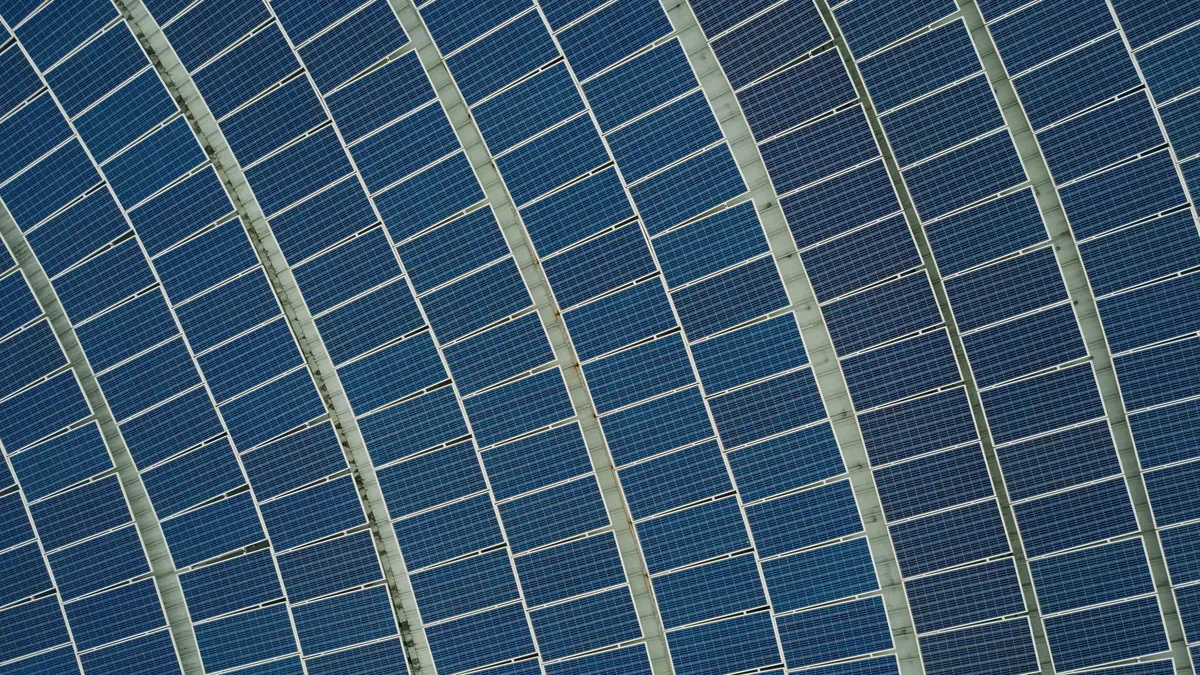
IEEFA: Integrate Indonesia's 100 GW solar
A think tank says Indonesia's new 100-gigawatt solar programme must be embedded in the national least-cost electricity plan.
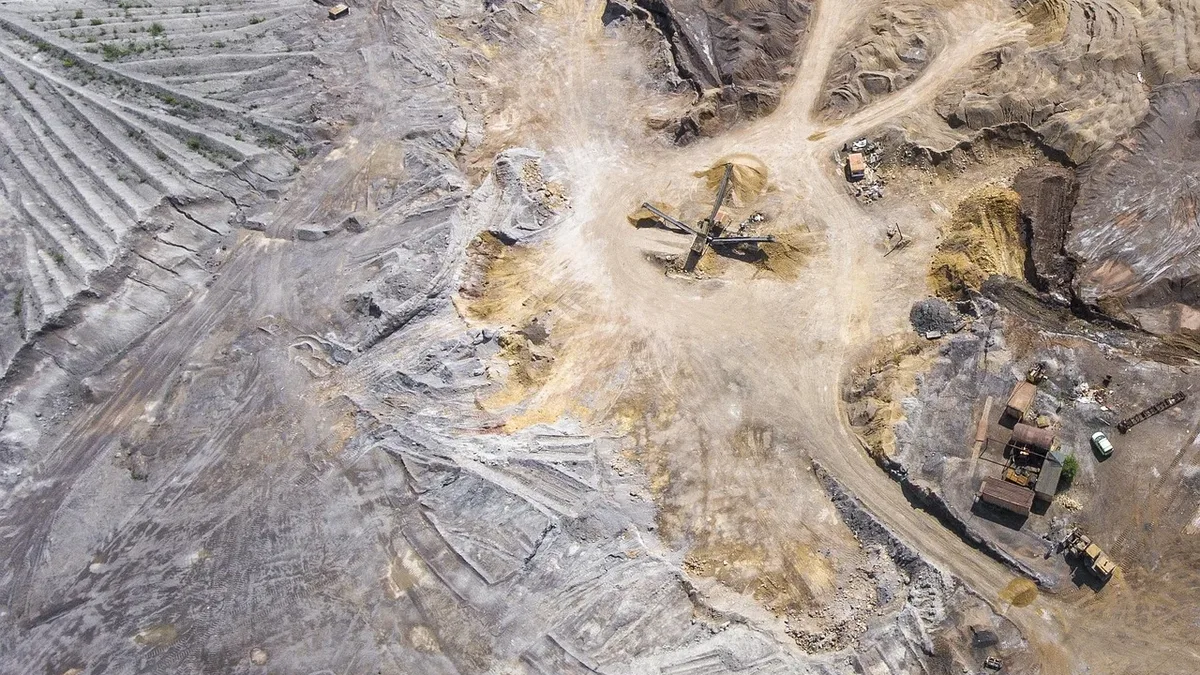
Indonesia's nickel boom threatens
A new study warns Indonesia's expanding nickel mining for clean energy could undermine its biodiversity and climate commitments.
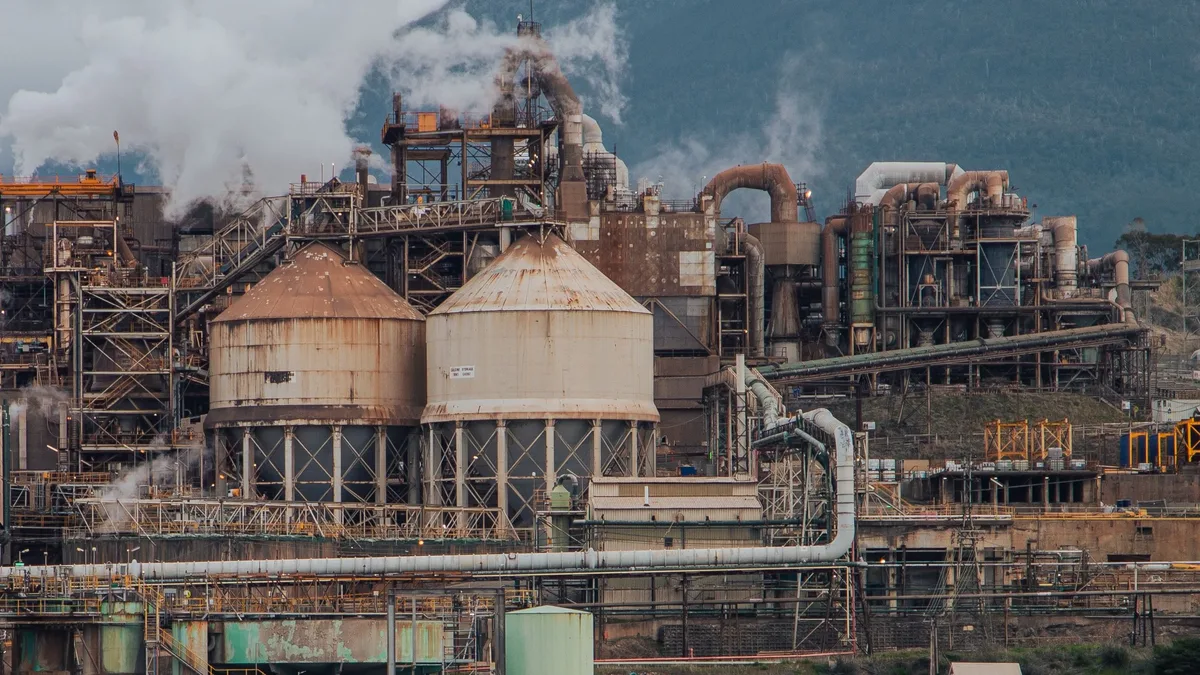
Chinese firms invest billions in Indonesia
Chinese companies are investing billions of dollars in Indonesian petrochemical production, including a $6 billion integrated complex, as China...