Indonesia's nickel boom threatens
A new study warns Indonesia's expanding nickel mining for clean energy could undermine its biodiversity and climate commitments.
Indonesia's nickel boom is colliding with its national goals to protect biodiversity and reduce land-use emissions. A study published in Nature Ecology & Evolution warns that meeting soaring global nickel demand could endanger some of the world's most critical ecosystems.
Jayden Hyman, lead author from the University of Queensland's School of the Environment, stated that nickel is essential for everything from infrastructure steel to electric vehicle batteries. He cautioned that sourcing decisions made now could lock in environmental damage for decades in Earth's most biodiverse and carbon-rich regions.
The findings present a specific challenge for Indonesia. The nation is the world's largest nickel producer, supplying over half of global output. Researchers project it could account for up to 74% of global nickel production by 2040.
Indonesia's Conflicting Commitments
Indonesia has dual commitments. Its Biodiversity Strategy and Action Plan (IBSAP) 2025-2045 aligns with the global "30x30" target to conserve 30% of its territory by 2030. Simultaneously, its FOLU Net Sink 2030 program aims for the forestry and land-use sector to become a net greenhouse gas sink by 2030.
The rapid expansion of nickel mining, therefore, raises a critical question. How can Indonesia increase mineral production for the energy transition while meeting its ecosystem protection and emissions reduction pledges?
Indonesia holds the world's largest nickel reserves. Production has grown roughly tenfold over the past decade. Much of this nickel is in laterite deposits, which the study projects could supply 78% to 83% of global demand through 2050.
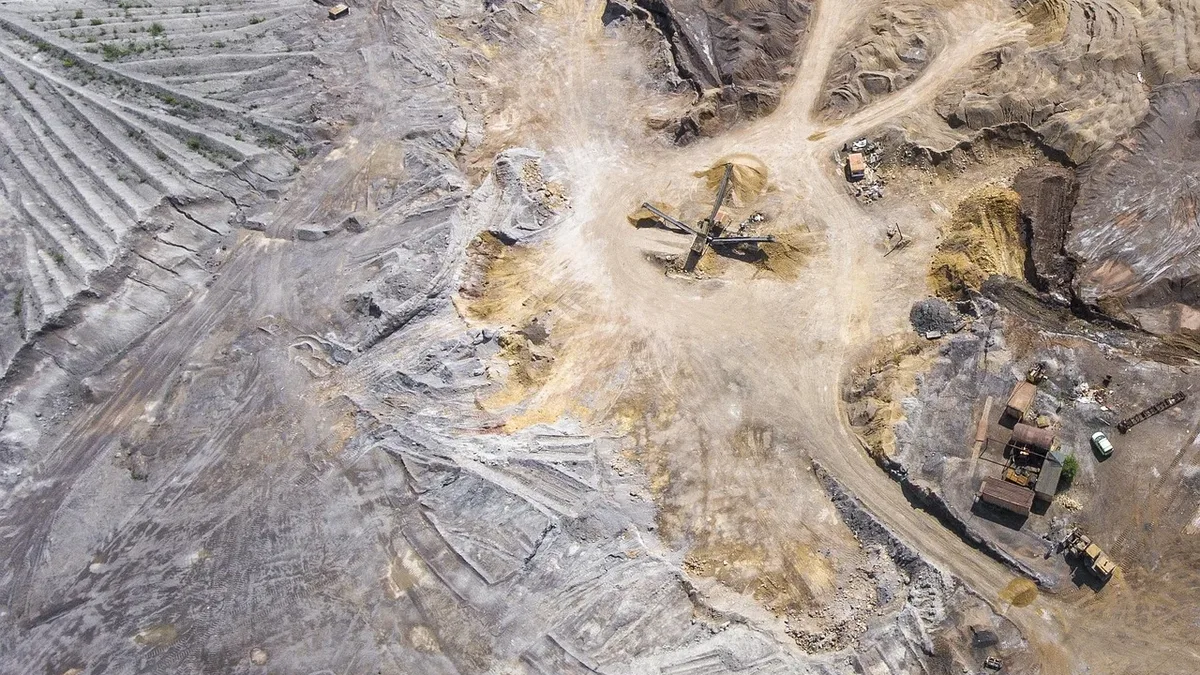
Laterite mining often requires extensive land clearing in tropical environments. A 2023 spatial analysis by Mighty Earth of 329 Indonesian nickel concessions found significant forest loss.
| Analysis Metric | Figure |
|---|---|
| Forest lost within concessions since grant | 76,031 hectares (minimum estimate) |
| Total forest loss within concession boundaries since 2000 | ~153,364 hectares |
| Forest remaining within the 329 concessions | >500,000 hectares |
Mighty Earth used government records and satellite imagery to link clearance to nickel mining. The analysis does not conclude all loss was caused by mining.
Biodiversity and Habitat Impacts
Much of Indonesia's nickel industry overlaps with vital biodiversity zones. According to NGO AEER, 28 of 206 Key Biodiversity Areas in Sulawesi and Maluku overlap with 109 nickel concessions, covering about 152,000 hectares.
AEER researcher Imelda Sanatha said this overlap shows why nickel development must be considered alongside biodiversity commitments. In Sulawesi, habitat fragmentation is a concern.
Sanatha pointed to increased observations of endangered anoa near mining camps in North Sulawesi between 2022 and 2026. Residents have recorded the small wild cattle on camera and reported vehicle strikes. These are indications of habitat fragmentation, she said.
In North Maluku's Halmahera, similar conflicts exist. During recent fieldwork, Sanatha spoke with a local birdwatcher who said observing birds like the white cockatoo around Buli Bay had become much harder as nickel development expanded.
Marine and Coastal Risks
Mining impacts extend to rivers and coastal ecosystems. A 2023 Kompas investigation reported heavy-metal and sediment pollution in Buli Bay linked to local nickel operations, observing brownish seawater and sediment-covered mangroves.
Marine ecologist Meutia Samira Ismet said increased sedimentation reduces sunlight for marine organisms, disrupting photosynthesis and stressing coral reefs. In the long term, sedimentation can damage reefs, seagrass beds, and mangroves.
The new study estimates 53% to 60% of projected nickel supply through 2050 could come from mines within 50 kilometres of high-priority marine biodiversity areas. Hyman warned this risks polluting waters like the Coral Triangle, one of the world's most biodiverse marine regions.
The Supply Constraint Dilemma
The researchers state that protecting top conservation areas could reduce environmental risks but would constrain nickel supply. Their modelling indicates excluding the world's top 10% of terrestrial conservation-priority areas from mining could create a supply shortfall of up to 18% of projected demand by 2050.
This forces a difficult policy choice. Allowing mining in high-value ecosystems increases environmental damage. Excluding them increases pressure to find alternative sources or reduce demand. Hyman concluded that with thoughtful planning and a focus on protecting critical areas, nickel supply can be secured with fewer ecological impacts.