Nepal flood damages 281 MW of renewable
A flash flood in late August damaged multiple hydro and solar projects in Nepal, knocking out 281 MW of installed capacity and damaging another 700 MW
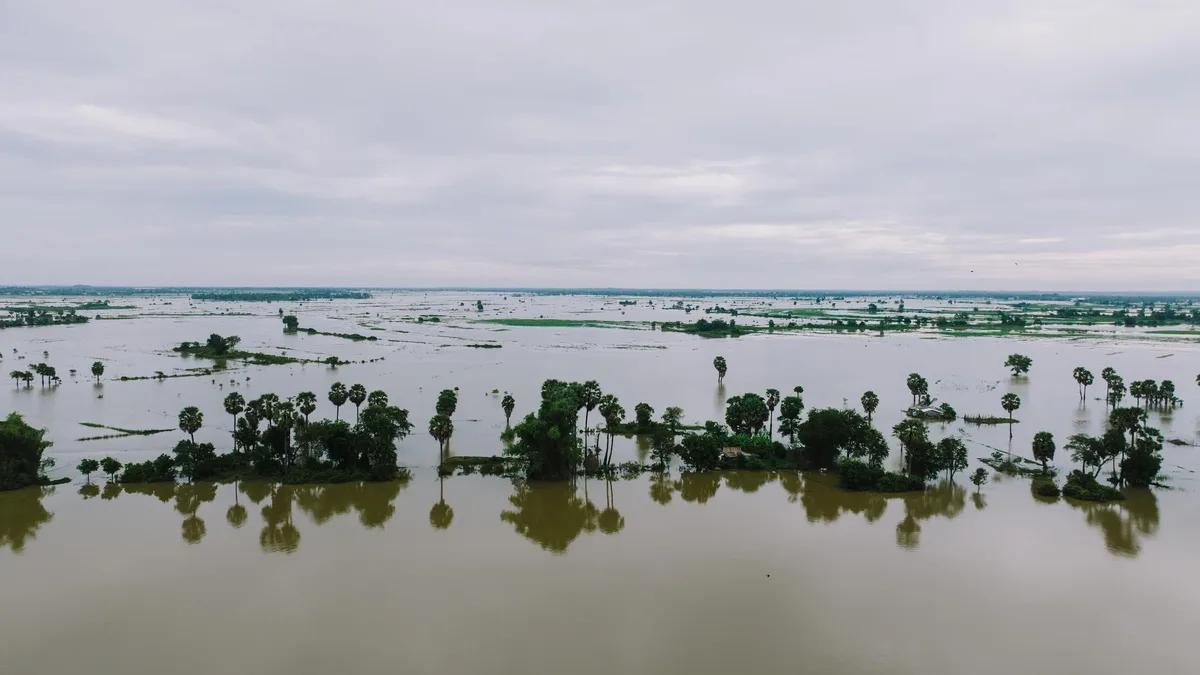
A late August flash flood has damaged multiple renewable energy projects in Nepal, crippling 281 megawatts of installed generation capacity and damaging four other projects under construction with a combined capacity of 700 MW. The disaster, which originated on the Nepal-China border, has prompted a national debate on the future of the country's hydropower ambitions and export strategy.
Among the damaged projects was the 42-year-old, 14.1-MW Devighat Hydroelectric Plant, which was completely wiped out. Further downstream, a 25-MW solar power plant was also badly damaged. The destruction of a transmission line hub on the Trishuli River's banks cut off an additional 150 MW of power from various plants from the national grid. Officials are still assessing the damage, with initial media reports estimating losses in the hundreds of billions of Nepali rupees.
Immediate impacts and rescue efforts
Transmission infrastructure, including a substation, was also destroyed. Officials have stated they cannot yet provide timelines for when the affected projects will resume generation. According to a press release from the Independent Power Producers Association of Nepal (IPPAN) dated September 1, around 983 engineers and workers are feared trapped inside tunnels or powerhouses and are listed as out of contact. Government records, however, have counted only 639 missing people from the hydropower projects.
The state-owned Nepal Electricity Authority (NEA) said power supply was restored in most affected areas within two days and has assured households that supply remains adequate. When contacted by Mongabay for comment on the long-term impacts, the NEA said its current priority was rescuing those trapped inside project tunnels.
Design lessons from the flood
The flood exposed a clear pattern in the damage. Surface-built powerhouses, dams, and desanders located on or near the riverbed suffered the worst damage. Newer plants with underground powerhouses and desanders held up comparatively well. The 100-MW Super Trishuli Hydropower Project, located about 100 kilometres downstream of a hard-hit town, endured the flood without major impact.
Project surveyor Laxman Devkota attributed Super Trishuli's survival in a Facebook post to its location away from the river and the flood-probability assessment conducted before construction. Former energy minister Kulman Ghising called the flood a once-in-a-century event that carries major lessons. "We need to design the plants resilient to floods and, most importantly, adopt early warning systems as well as strong emergency evacuation measures, and make longer access tunnels to the powerhouse to save it from floodwater," he said.
Shailendra Guragain, former president of IPPAN, noted that surface structures were originally built with cost, not resilience, in mind. In an article, Mohan Das Manandhar, chair of the Nepal Energy Foundation, argued that projects must be designed around the possibility of extraordinarily destructive river events. Both Manandhar and Bibek Kandel, an advisor to the energy minister, estimate that such design changes would raise minimum project costs by 10 to 12 percent.
Policy and economic fallout
The disaster has sparked a debate on Nepal's broader energy policy. Shree Raj Shakya, head of the Centre for Energy Studies at Tribhuvan University's Institute of Engineering, argued the increased risk should prompt a reconsideration of the export-driven model. "The need of the hour is to put the strategy of electricity for domestic consumption in a more pragmatic way rather than aiming to export it," he told Mongabay. He warned the damage could reduce winter power supply and delay Nepal's clean energy transition plans through 2030 and 2035.
Shakya argued an export-focused strategy carries a double risk: the physical risk of disasters and a market risk, as electricity prices have fallen sharply in neighbouring India. Nepal's official targets, however, remain unchanged. The country aims to export 15,000 MW of hydroelectricity on top of 13,500 MW for domestic consumption by 2035, according to its Energy Development Roadmap.
Manandhar took a more measured view, arguing that export remains essential for balancing seasonal supply-demand gaps, with domestic consumption simply being prioritised within that model. Environment and climate change economist Arjun Dhakal expressed concern over the unplanned proliferation of hydropower in the Trishuli region, where more than 30 projects are in operation or under construction. "The scale of damages... Occurred, because of haphazard permissions to build hydropower projects in the river basin without considering the possible natural risks," he said.
Hydropower engineers and energy experts estimate the flash flood will make electricity costlier by at least 10 to 12 percent. Bibek Kandel stated that Nepal can no longer rely on low-cost engineering, emphasising the need to strengthen all infrastructure.