German R&D essential for Europe's solar
ISC Konstanz and industry partners urge Germany to prioritize crystalline silicon PV research in national funding, arguing it remains the global market's
Germany and the wider European Union must use their research and development strengths to stay competitive in global solar photovoltaic manufacturing. A coalition led by the PV research centre ISC Konstanz has submitted a position paper to the German Federal Ministry for Economic Affairs and Energy calling for crystalline silicon PV manufacturing to remain a core part of the country's R&D funding programme.
The paper was submitted as part of a consultation on the ministry's 8th Energy Research Programme, the mechanism for public funding of energy R&D projects which has run since 2023. Signatories include equipment and manufacturing firms RCT Solutions, FuturaSun, and RENA. ISC Konstanz is urging significant funding weight for crystalline silicon solar PV research due to the technology's expected continued dominance.
The case for crystalline silicon
Rudolf Harney, a project manager at ISC Konstanz, stated the coalition's key argument. "The key message is clear: crystalline silicon will remain the technological foundation of the global PV market for at least the next decade, and continued R&D is essential if Germany and Europe want to participate in the enormous growth of the global PV manufacturing market," he said.
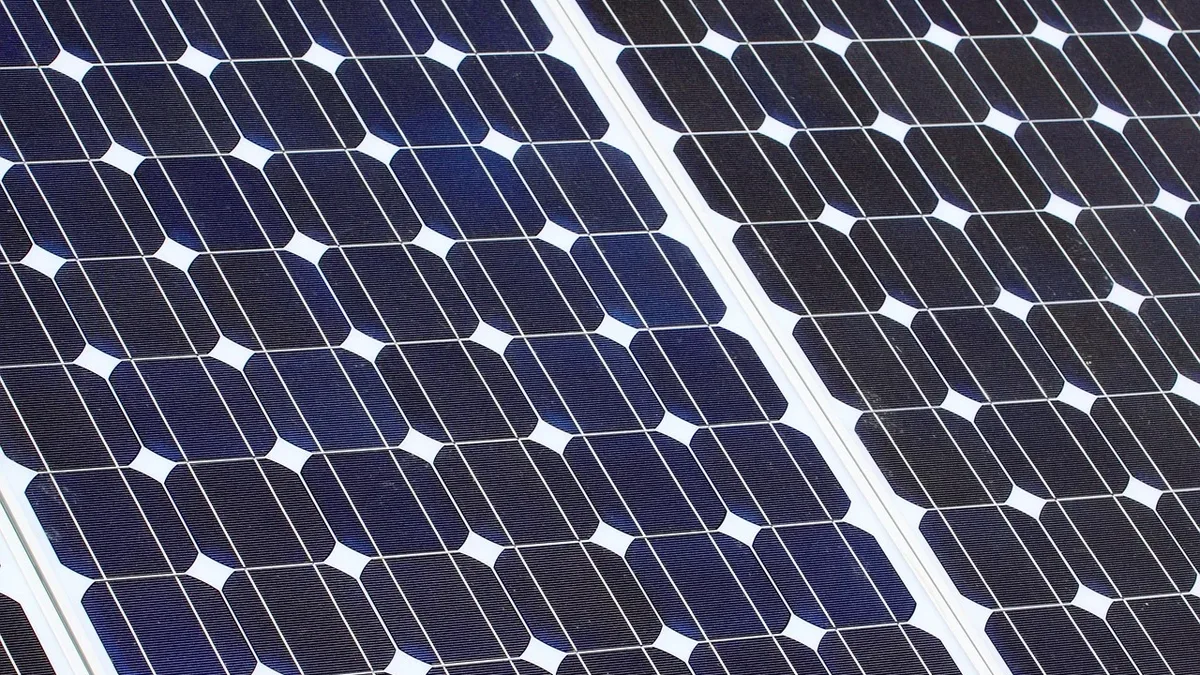
The position paper cites the International Technology Roadmap for Photovoltaics, which predicts around 95% of solar cell production in 2036 will still be based on crystalline silicon. ISC Konstanz data projects the global PV manufacturing equipment market for these products could reach US$250-300 billion over that period. The paper argues that crystalline silicon PV paired with energy storage will become the cheapest form of electricity generation in almost all of the world by 2030.
Germany's role as a technology hub
In this context, the paper posits that Germany can become a technology and equipment-providing hub rather than a mass producer. The country has a strong pedigree in PV R&D through institutes like Fraunhofer ISE and Helmholtz-Zentrum Berlin, as well as machine producers such as RCT Solutions. Peter Fath, head of RCT Solutions, noted at Intersolar Europe this year that Europe could carve out a meaningful place in refining technologies, advancing silicon cell performance, and offering high-precision machinery to global manufacturers.
The paper itself states, "Even though the potential for further efficiency gains and cost reductions at cell and module level is gradually approaching physical and economic limits, c-Si remains the reliable engine of the global energy transition." It calls the technology the "undisputed lowest-cost form of electricity generation."
Balancing research for the future
The coalition's argument comes as global manufacturing capacity significantly exceeds demand and many tout perovskite-silicon tandem cells as the next evolutionary step. Harney clarified the group's stance to PV Tech. "Our message is not that Germany should reduce research into perovskites, tandem cells or other emerging technologies. Quite the opposite: we support these developments," he said. "But we believe funding needs to remain technology-open and balanced, while recognising that c-Si will remain the industrial foundation of PV for many years."
The position paper concludes that Germany has excellent opportunities to lead through innovation, production technologies, and industrial know-how. It calls for a balanced funding strategy that combines scientific excellence with industrial value creation, recognising crystalline silicon as the foundation for future developments like tandem cells. This approach, the paper argues, will strengthen both German competitiveness and Europe's technological sovereignty in the solar sector.