AI transforms due diligence for solar and storage M&A
The merger and acquisition process for solar and storage projects is being reshaped by artificial intelligence, which can parse complex documentation to
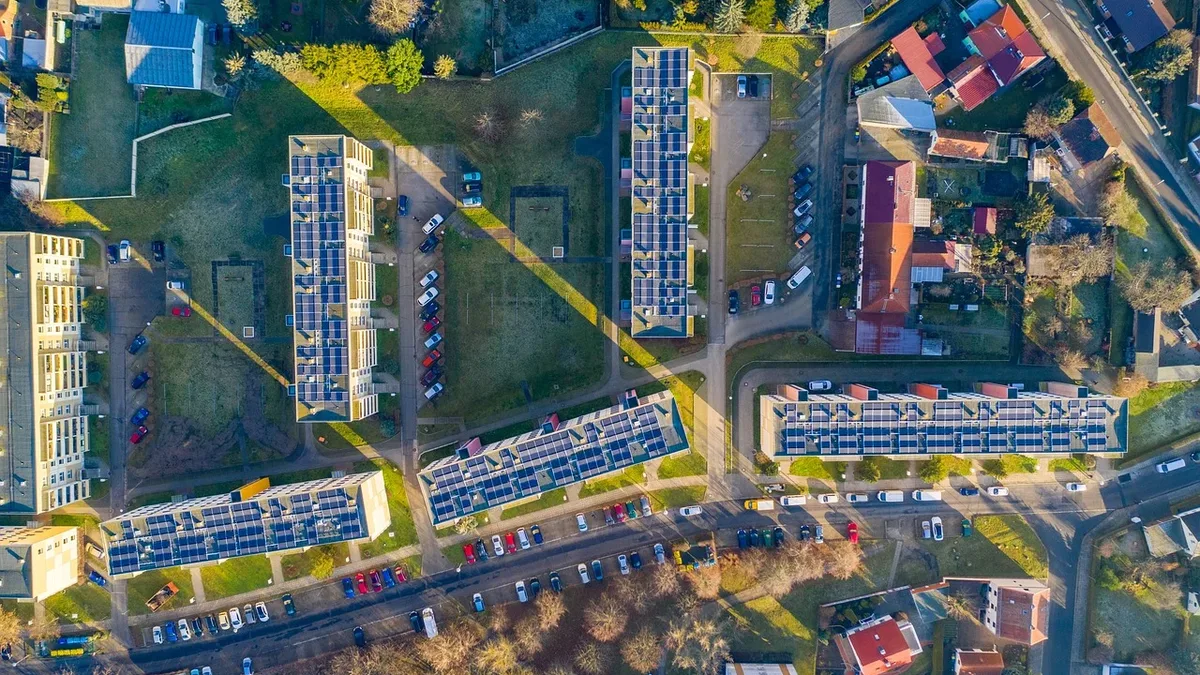
Due diligence for solar and storage project mergers and acquisitions has become vastly more complex, creating a market mismatch where deals move in weeks but reviews take months. According to an analysis from PV Tech, artificial intelligence is emerging as a critical tool to parse hundreds of project documents and manage new compliance layers from recent legislation.
The baseline complexity of project diligence
Every solar or storage project is fundamentally defined by several hundred contracts and documents. These govern land rights, grid interconnection, permits, equipment procurement, power offtake agreements, tax structures, and operations. Historically, this information has been trapped in unstructured PDFs across scattered data rooms, requiring significant human effort to coordinate. A typical investor must manage multiple specialized advisors, including technical, tax, real estate, and environmental consultants. The resulting process routinely takes three months or more to complete.
New regulatory layers intensify the work
The passage of the Inflation Reduction Act and related guidance has materially expanded the scope of due diligence. New compliance obligations are now central, not marginal, workstreams. These include documenting labor practices for tax credit eligibility, conducting granular ownership checks for prohibited foreign entities, and tracking domestic content for manufacturing adders. Beginning-of-construction rules also create schedule-sensitive obligations with significant tax credit value at stake.
Tariff exposure for imported photovoltaic and battery energy storage system equipment adds another layer. Investors must determine who bears the cost risk under existing contracts and whether project budgets can absorb unexpected increases.
Evolving risks in a shifting investor landscape
The investor base has broadened to include tax credit transfer buyers, infrastructure funds, and investors adjacent to hyperscale data center operators, some without deep sector experience. In this environment, the risks most likely to derail a deal are also the easiest to miss. The source analysis points to several common pitfalls:
A concrete example involved a project developer targeting a late 2030 operation date, while its financial model depended on revenue from a state solicitation requiring operation by January 1, 2030. The source notes that "without the right diligence framework, the project the buyer thought they were acquiring did not exist."
AI as a tool for speed and accuracy
Against this backdrop of structural complexity, market pace has accelerated sharply due to AI-driven power demand and the race to develop projects before tax credit incentives change. The core tension is that the market moves faster than traditional diligence processes can handle.
Artificial intelligence, specifically large language models, is positioned to change this equation. The technology's superpower is transforming unstructured contract data into structured, actionable information at a previously impossible scale and speed. A data room that might take a team of analysts weeks to process can now be ingested and cross-referenced in hours. Across 225 recent transactions supported by the source's firm, a typical seller's data room contained about 165 documents and generated roughly 71 distinct diligence findings. The most complex projects easily double those figures. AI creates a shared data infrastructure that supports faster decision-making and more accurate communication across deal teams, turning a historical bottleneck into a managed process.