Sinoma's 36 MWp Solar Plant Connects
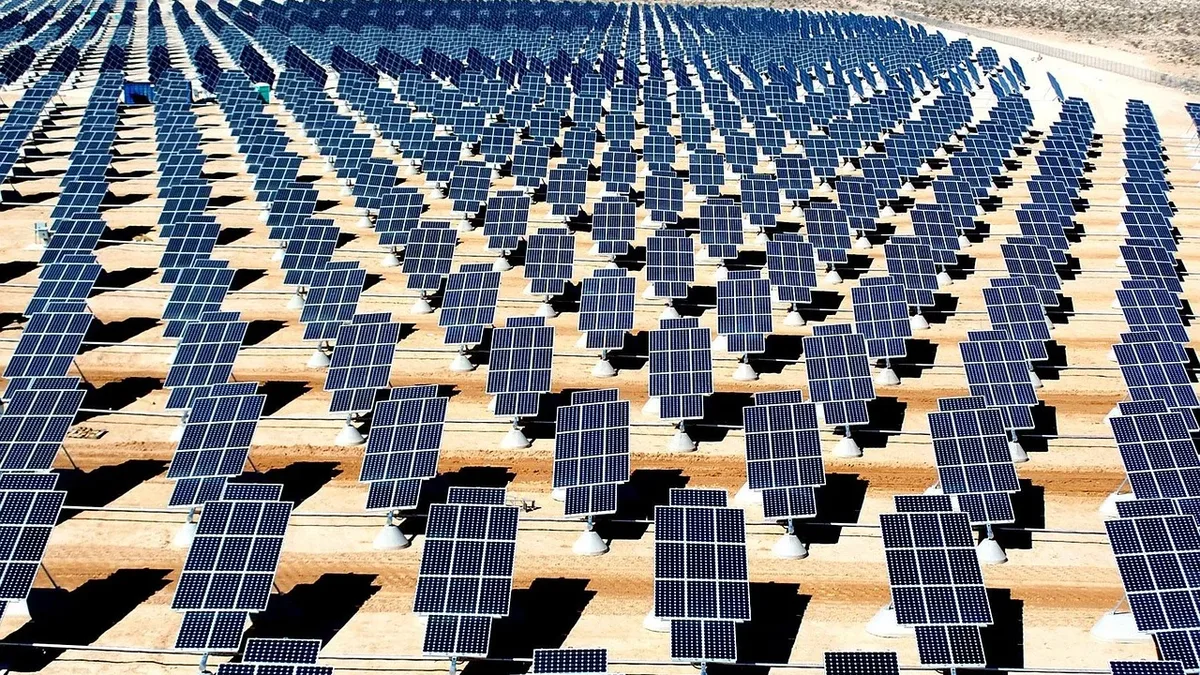
A 36 MWp solar PV project at the CNBM Zambia Industrial Park has been connected to the national grid. The plant, combined with a waste-heat recovery system, will generate 110 million kWh annually to power the industrial park and feed surplus electricity into the grid.
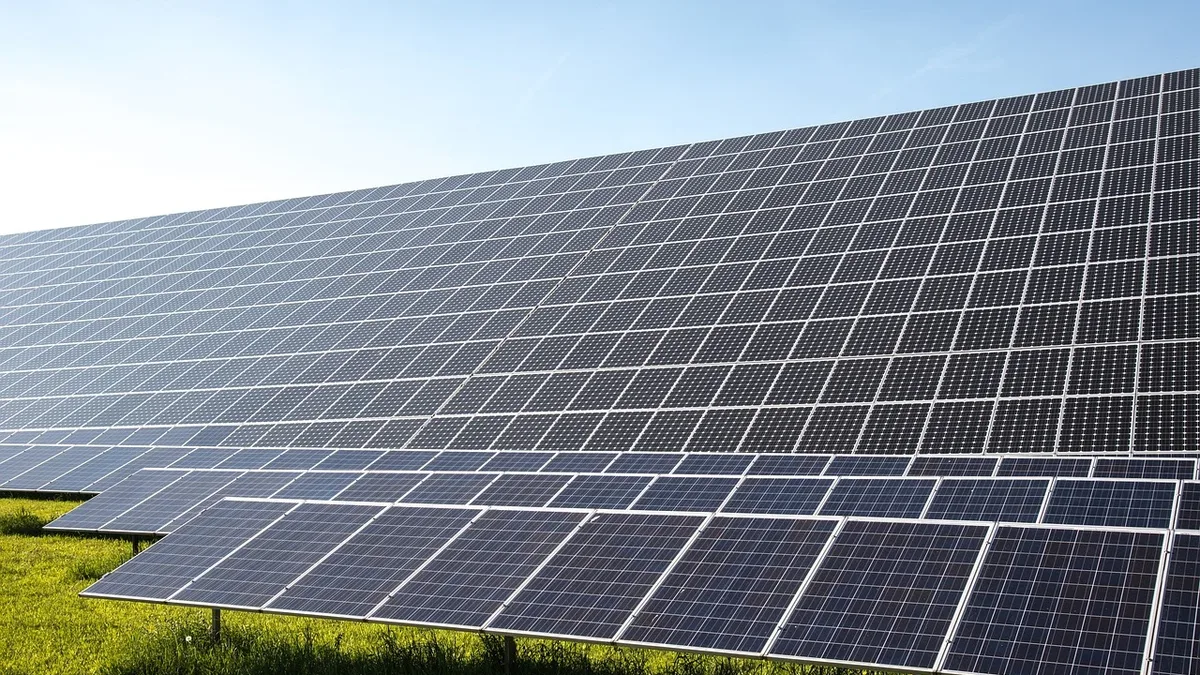
A 36 megawatt-peak solar photovoltaic power project is now connected to Zambia's national grid. The facility is located at the China National Building Materials Zambia Industrial Park in Chiyaya, approximately 19 kilometres southeast of Lusaka.
The grid connection was finalized following the completion of all pre-connection construction works on January 31. The industrial park is built and managed by Sinoma Cement, a major cement producer in the country.
Project Strategy and Integration
Sinoma safety officer Paikani Banda stated the solar project is central to the park's strategy for reducing reliance on external electricity supplies. The plant will utilize Zambia's strong solar resources and modern PV technology to deliver cleaner, reliable power for industrial operations.
This solar facility is not operating alone. It will be integrated with a 7.5 MW waste-heat recovery system that is currently under construction. Together, they will form a combined green energy system.
The two power sources will provide the following combined capacity:
| System | Capacity |
|---|---|
| Solar PV Project | 36 MWp |
| Waste-Heat Recovery | 7.5 MW |
| Total Green Energy | 43.5 MW |
Power Generation and Environmental Impact
The integrated system is projected to generate roughly 110 million kilowatt-hours of electricity each year. This output is expected to meet the industrial park's complete electricity demand. Any surplus power will be supplied to the national grid, bolstering local electricity availability.
Significant environmental benefits are also anticipated. Annual operations could save approximately 31,900 tonnes of standard coal equivalent. Furthermore, carbon dioxide emissions are projected to be reduced by about 62,400 tonnes every year.
Supporting National Energy Goals
The development aligns with broader national objectives. It supports Zambia's push to diversify its electricity mix and decrease its historical dependence on hydropower. The project also fits with President Hakainde Hichilema's focus on energy reforms and reducing load-shedding across the country.
As a project under China's Belt and Road Initiative, the CNBM Zambia Industrial Park is expected to continue investing in renewable energy and environmental protection. This effort aims to strengthen industrial and economic cooperation between China and Africa. The connection of this solar project marks a concrete step in that ongoing collaboration.