Greenpeace Challenges Crown Estate Over Morgan Wind Farm
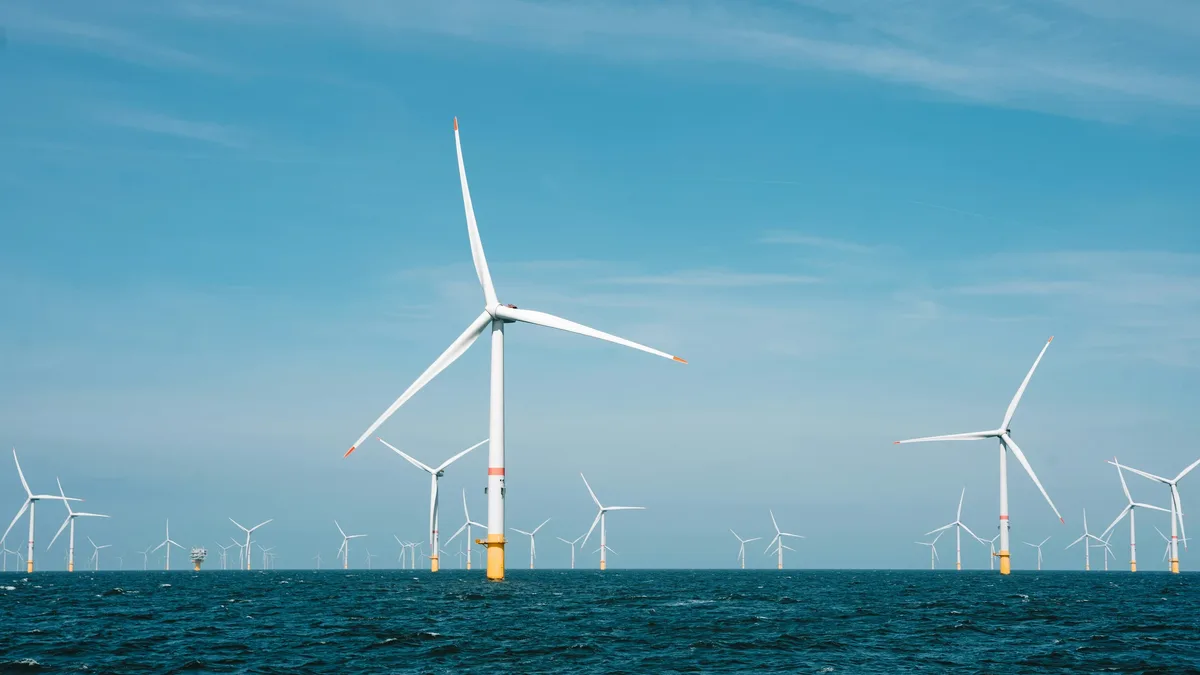
Greenpeace has threatened legal action against the Crown Estate over uncapped seabed fees for the 1.5 GW Morgan Offshore Wind Farm.
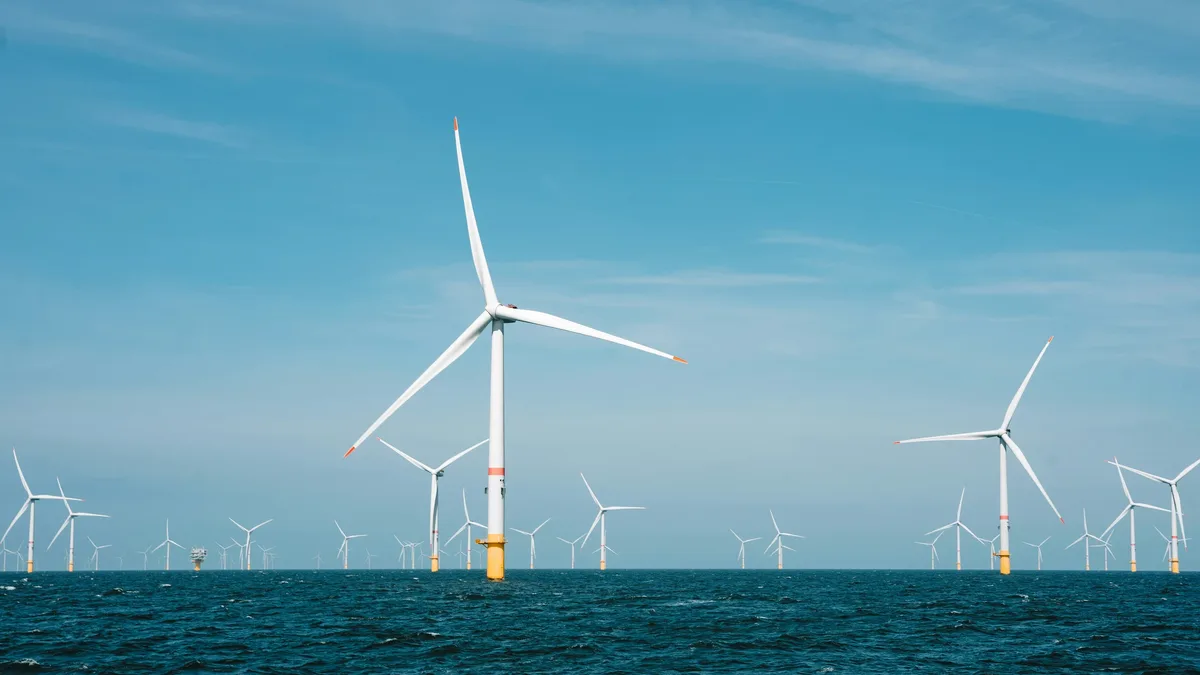
Greenpeace has sent a pre-action protocol letter threatening legal action against the Crown Estate over the seabed leasing terms for the 1.5 GW Morgan Offshore Wind Farm in the Irish Sea. The environmental group argues the fee structure for the re-tendered project repeats the legal defects of previous leasing rounds, risking excessive costs for developers and consumers.
Fee structure concerns
Greenpeace's challenge focuses on a new 'Site Exclusivity Fee'. This replaces annual option fees and is payable when a project enters its lease. The Crown Estate will use a rising-clock auction where developers bid to determine this fee. Although bid as a lump sum, it is paid over 20 years from the lease start. Greenpeace argues this fee remains uncapped. The group claims an uncapped process allows developers to bid up seabed securing costs, conflicting with the Crown Estate's legal duties. This warning follows earlier criticism of uncapped option fees used in the Crown Estate's Round 4 leasing process in 2021.
Project background and tender process
The Morgan project was originally awarded in that 2021 Round 4 process to a joint venture between EnBW and JERA Nex BP. The developers discontinued the project in January 2026, returning the lease rights after deciding it was no longer economically viable. In July, the Crown Estate launched an accelerated tender to find a new developer. The aim is to select a preferred bidder and award development rights by the end of 2026. This process is designed to preserve progress already made; the project secured its development consent order in 2025 and has a grid connection agreement.
Financial and consumer impact
Greenpeace cites University of Oxford research on the financial effect of seabed fees. The study found that Crown Estate option fees require developers to sell electricity at prices 30% to 59% higher than without the fees. The research models that passing these additional costs to consumers could add between £36 billion and £72 billion to UK energy bills between 2035 and 2054. This covers new offshore wind capacity needed for the government's Clean Power 2030 target. The researchers state their findings are a scenario, not a forecast. Under the current Contracts for Difference auction price cap, projects may absorb costs, be delayed, or be withdrawn instead of passing costs to consumers. Separate new research suggests the uncapped bidding process could add up to £38 per year to the average UK household energy bill.
Wider implications and Crown Estate position
Greenpeace fears the uncapped fee model used for Morgan could expand to much larger seabed areas in the next major leasing round, expected to launch in the first half of next year. The group calls for the Chancellor to intervene to ensure the Crown Estate imposes a cap. Greenpeace also wants excess profits from previous leasing rounds to be invested in seabed conservation. Will McCallum, Greenpeace UK’s co-executive director, has previously raised alarm that the Crown Estate exploits its monopoly as legal owner of the UK seabed. The Crown Estate states its auction fees are determined by developers through competitive bidding. Its operating profit for 2025/26 was £1.2 billion, down from £1.4 billion a year earlier. Income from Round 4 option fees fell from £1.073 billion to £875 million as projects moved towards construction. The Crown Estate aims to select a preferred bidder and award development rights for the Morgan site by the end of 2026 through its accelerated tender process.