Colombia's $1.35 Billion Solar Program for Low-Income Homes
Colombia's new Minister of Mines and Energy has paused a major solar initiative, citing zero connected users and questions over contracts.
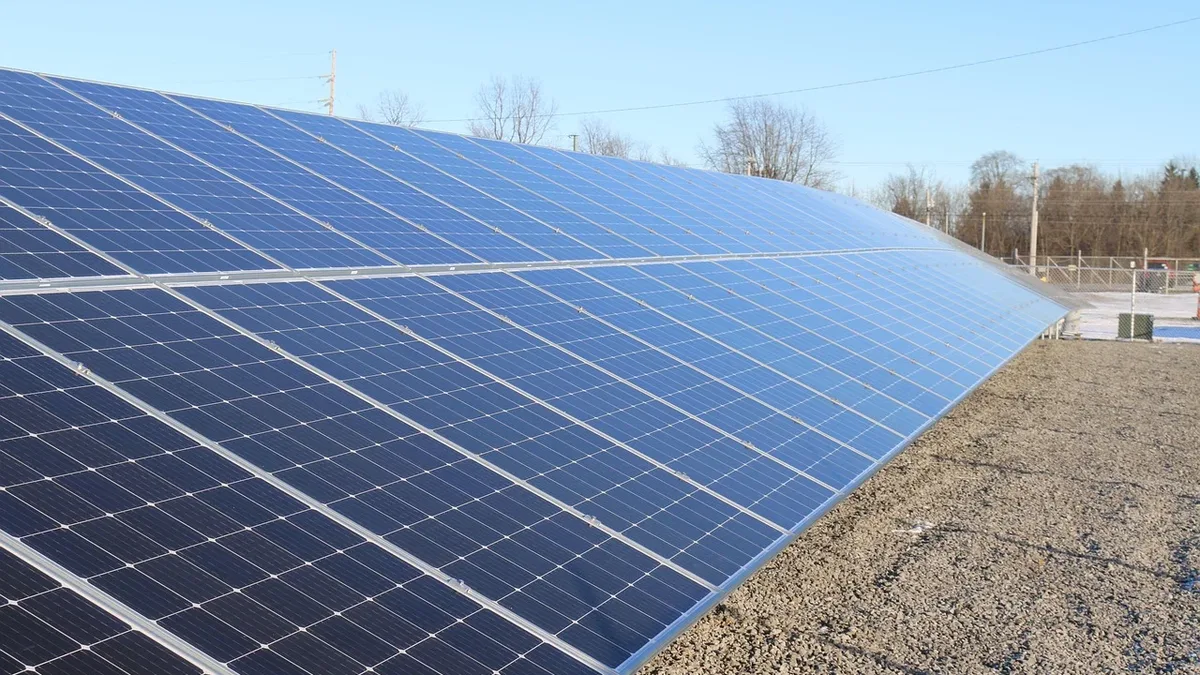
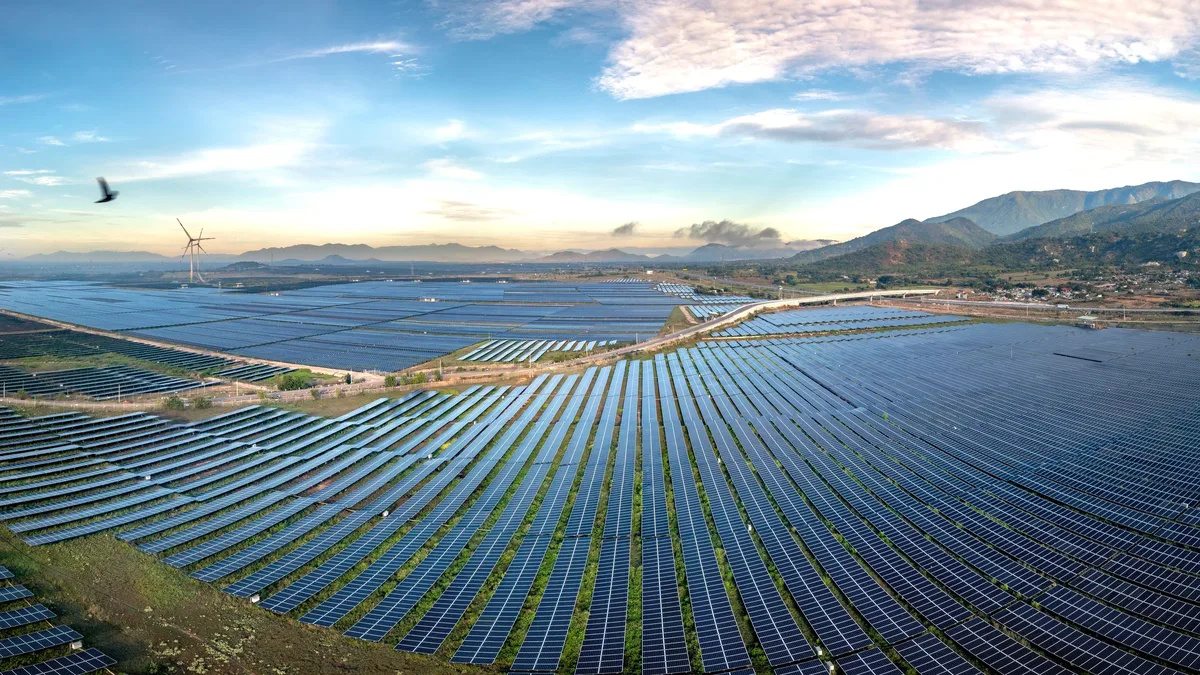
Colombia's new government has placed a $1.35 billion solar power program for low-income households under review. Minister of Mines and Energy María Nohemí Arboleda ordered the scrutiny of the Colombia Solar initiative, stating it currently has "zero connected users" despite its massive budget.
Arboleda questioned the program's implementation. She said officials are examining contracts where individual contractors held up to five agreements, issues with officials' work locations, and missing monitoring reports. The minister emphasized the project cannot proceed without clarity, given the allocated budget shows no progress.
Program Scope and Funding
The COP 4.2 trillion ($1.35 billion) figure relates to an inter-administrative agreement signed on December 29, 2025. The agreement is between the Ministry of Mines and Energy and the state-owned power company Generadora y Comercializadora de Energía del Caribe (Gecelca). It has a five-year implementation period running through December 2030.
The program targets 563,057 users across 13 departments. It was launched in September 2025 through Decree 0972 and regulated by Resolution 40159 of 2026. A later policy document earmarked COP 8.35 trillion for the program between 2026 and 2030, with a goal of reaching approximately 1.3 million households.
Colombia Solar covers the design, supply, and installation of solar PV systems. It is intended for users in socioeconomic strata 1, 2, and 3, the three lowest tiers in Colombia's classification system. Beneficiaries must be connected to the National Interconnected System.
The 13 departments covered are:
Background of the Dispute
The minister's review follows an earlier government order to examine actions related to Colombia Solar. A dispute over the initiative between the outgoing administration and new President Abelardo De La Espriella's team emerged in July 2026.
In August 2026, a separate procurement process was canceled. Managed by the Fund for Non-Conventional Energy and Efficient Energy Management (Fenoge), it was valued at approximately COP 164 billion. This process covered the implementation, operation, maintenance, and monitoring of photovoltaic systems and had come under scrutiny from the Inspector General's Office. Officials confirm it is separate from the COP 4.2 trillion agreement with Gecelca.
Broader Policy Context
The review occurs amid a shift in Colombia's energy policy. The governments of Colombia and the United States signed two memoranda of understanding in Barranquilla, covering strategic minerals and civil nuclear cooperation. U.S. Secretary of State Marco Rubio signed the agreements during a meeting with President De La Espriella.
The nuclear memorandum establishes a non-binding framework for cooperation. According to Colombia's Ministry of Mines and Energy, it will help technical exchanges, regulatory capacity building, workforce training, and scientific research. It also includes assessments of potential applications of nuclear technology for energy security.
The agreement does not provide for the construction of nuclear reactors in Colombia. It does not identify specific projects, locations, technologies, capacities, or timelines for nuclear power plants. The ministry described it as opening space for a technical and responsible dialogue. Following the signing, Minister Arboleda said cooperation with the United States would provide technical tools to turn Colombia's mining and energy potential into industry and development.