Clean Energy Regulator Q2 2026 Report
Australia's Clean Energy Regulator reported record-breaking rooftop solar, battery storage, and large-scale solar investment in the second quarter of 2026
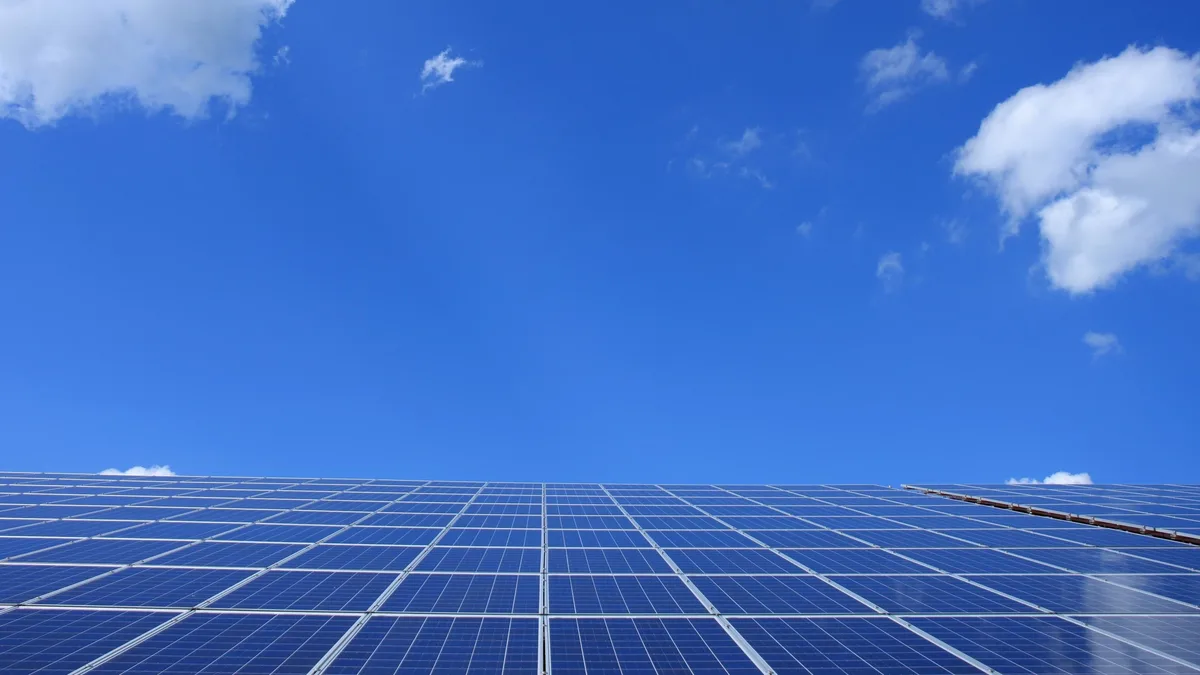
Australia's Clean Energy Regulator (CER) reported record-breaking rooftop solar, battery storage, and large-scale solar investment in the second quarter of 2026. Australia installed a record 1 gigawatt of rooftop solar in the second quarter of 2026. The Clean Energy Regulator (CER) also reported unprecedented uptake of household batteries and large-scale solar investment during the same period. This data is part of the broader energy stats landscape.
Acting CER chair Carl Binning said the results show the speed of the nation's energy transition is accelerating. He pointed to several driving factors, including progress on Capacity Investment Scheme projects, falling battery storage costs, demand from the Cheaper Home Batteries Program, and the growing role of the Australian Carbon Credit Unit market.
Rooftop Solar and Battery Storage Surge
More than 111,000 household battery installations, representing 3.6 gigawatt-hours of storage capacity, were approved under the Cheaper Home Batteries Program in Q2. The CER has now received over 500,000 applications since the scheme launched. Binning said this demonstrates the scale of household demand when the economics are favorable.
Installation patterns were reshaped by changes to the program's small-scale technology certificate rates on May 1. These changes aimed to provide more consistent support across battery sizes, equivalent to roughly a 30% reduction in installation costs.
In April alone, 78,000 battery installations representing 2.8GWh were approved. The average home battery size that month reached 36 kilowatt-hours as installers rushed to complete larger systems before the new rates took effect. After the change, the average battery size fell to around 23kWh across May and June, though underlying demand remained strong.
This battery surge also pulled forward solar installation activity. More than 80% of small-scale solar installations in April were paired with a battery, compared with less than half in May and June. April alone accounted for an estimated 480 megawatts of small-scale solar capacity, making it the strongest month on record.
Large-Scale Solar Investment Hits New High
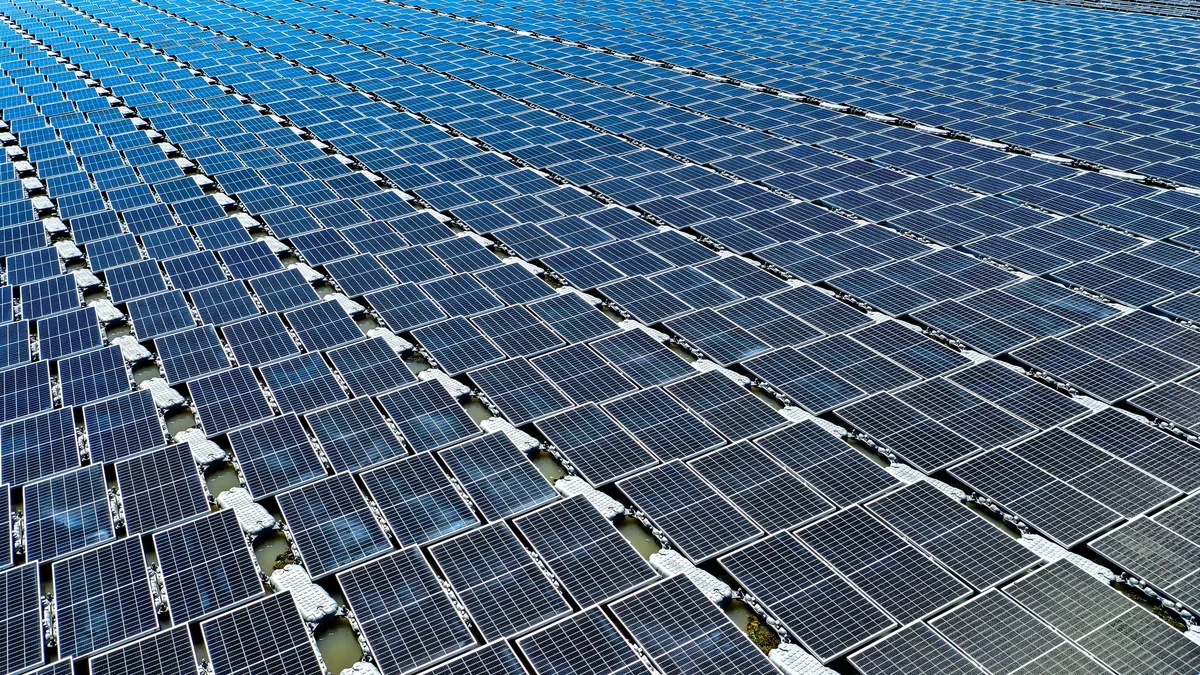
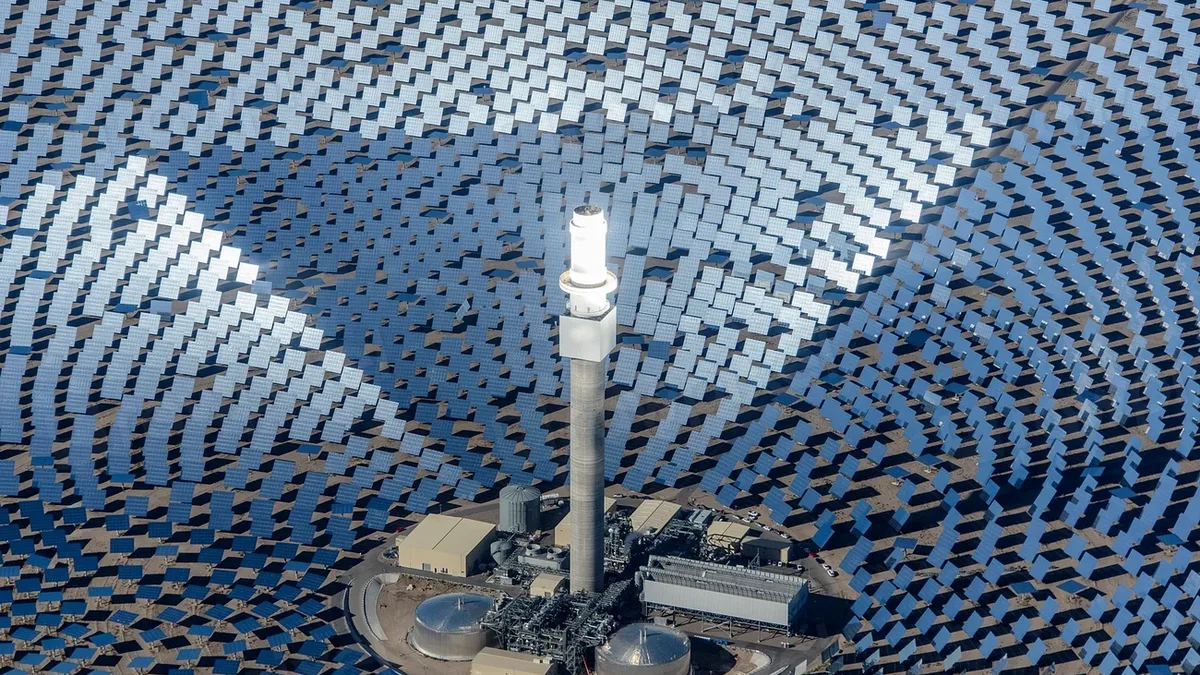
Investment in large-scale solar reached a new quarterly record, with 1.8 gigawatts of generation capacity reaching final investment decision. This was the strongest quarterly result since the CER began tracking such investment and the best for solar overall since 2022. No wind projects were approved or reached FID during the quarter. These major projects are key new fixtures for the national grid.
Major projects reaching FID in Q2 included:
| Project | Capacity (MW) | State |
|---|---|---|
| Turner River Solar Hub | 690 | Western Australia |
| Guthrie’s Gap Solar Power Station | 300 | Queensland |
| Smoky Creek Solar Power Station | 300 | Queensland |
| Lower Wonga Solar Farm | 281 | Queensland |
| Muswellbrook Solar | 135 | New South Wales |
Three of these projects-Smoky Creek, Guthrie’s Gap, and Lower Wonga-are supported by the federal government's Capacity Investment Scheme. The record quarter follows sustained warnings about the scale of deployment needed to meet Australia's renewable energy targets.
The 'Missing Middle' and Policy Response
While utility-scale and residential solar posted records, the CER's report highlights a persistent gap in mid-scale deployment for systems between 100 kilowatts and 1 megawatt. Approvals for these projects, typically installed by businesses, schools, farms, and community groups, have run below historical averages in the first half of 2026.
The federal government is moving to address this gap. From October 1, 2026, solar systems up to 1MW will become eligible for small-scale technology certificates under an expanded Small-scale Renewable Energy Scheme. The CER expects this to support increased investment across commercial, industrial, and agricultural sectors. Binning stated, "Expanding the Small-scale Renewable Energy Scheme, expected from October, will help businesses, farmers and community organisations install mid-scale solar and reduce their energy costs."
The CER noted that systems of this size typically take at least eight months from design to approval, meaning the full effect of the policy change will likely build gradually.
Renewable energy generation accounted for around 42% of National Electricity Market generation in the June quarter, up from 37% a year earlier. This contributed to a record quarterly total of 15.2 million large-scale generation certificates being created. Binning acknowledged that challenges remain, particularly regarding social licence issues affecting wind investment. The overall progress is reflected in the national energy standings.