CATL and EVE Energy lead battery storage
Major Chinese battery manufacturers, led by CATL and EVE Energy, are raising prices for energy storage cells, driven by a new consumption tax and rising
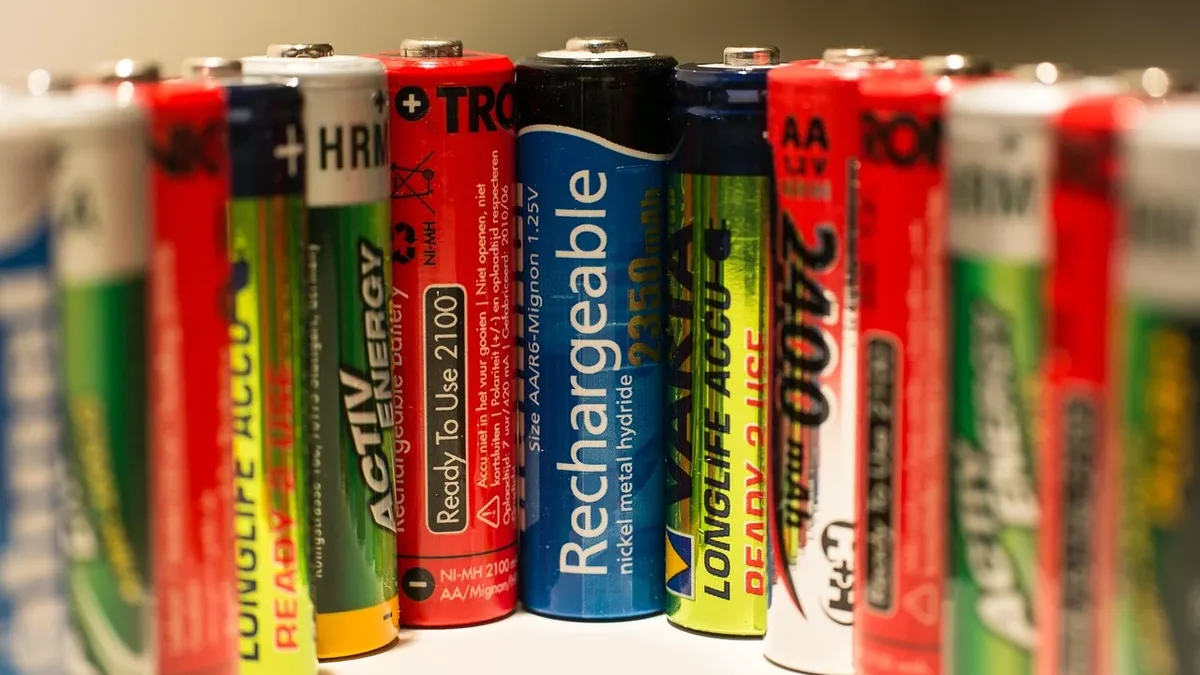
A new wave of price increases is sweeping the battery energy storage cell market in China. Leading manufacturers CATL and EVE Energy have initiated hikes, with smaller producers following suit.
CATL raised the price of its 314Ah storage cells from RMB 0.414 per watt-hour to RMB 0.423 per watt-hour. EVE Energy announced that, effective September 1, 2026, a 2% consumption tax surcharge will be added to the base price of all its domestic battery products. The company stated export products will receive tax rebates to maintain price parity between domestic and international markets.
Analyst firm Gaogong Storage (GGII) reported the average price for 314Ah storage cells rose from RMB 0.28 per watt-hour in early 2025 to roughly RMB 0.38 per watt-hour by mid-2026. While earlier increases were driven by supply shortages, new tax policies and rising upstream raw material costs are now key catalysts.
Tax policy drives cost increases
The primary trigger for this latest round of hikes is a new consumption tax on batteries. In July 2026, China's Ministry of Finance, General Administration of Customs, and State Taxation Administration jointly issued an announcement adjusting the policy. Effective September 1, 2026, a 2% consumption tax will apply to several battery types, including lithium-ion batteries. This rate is scheduled to increase to 4% starting September 1, 2027.
These battery categories had been exempt from consumption tax since 2015, making the policy shift a direct cost increase for manufacturers. Most battery producers have timed their price revisions to coincide with the tax's September 1 effective date.
Li Yisha, a storage industry analyst at Shanghai Nonferrous Metals, explained the impact. "The primary trigger for this latest round of price hikes is the new cell consumption tax." According to Li's calculations, at an average cell price of RMB 0.36 per watt-hour, the 2% tax adds roughly RMB 0.007 per watt-hour. This translates to about RMB 7 million in extra costs for every gigawatt-hour of cell production.
Market dynamics and manufacturer use
Beyond the tax, industry observers note an improving supply-demand balance has restored pricing power to battery makers. The storage battery sector is now operating at an average capacity utilisation rate above 90%. Some production lines are exceeding their rated capacity, and mainstream 314Ah cells are in tight supply.
Envision AESC noted that while the tax was the direct catalyst, the coordinated moves among major producers are "fundamentally rooted in an improving supply-demand balance."
| Manufacturer | Price/Tax Action | Effective Date/Details |
|---|---|---|
| CATL | Price increase for 314Ah cells from RMB 0.414/Wh to RMB 0.423/Wh | Reported in September 2026 |
| EVE Energy | Adds 2% consumption tax surcharge to domestic products | Effective September 1, 2026 |
| Lishen Battery | Increases base tax-exclusive price to pass on 2% consumption tax, plus 7% urban tax and 5% education surcharge | Starting September 2026 |
Despite industry-wide efforts to raise prices, actual implementation varies. The final distribution of the new tax burden will depend on negotiations between upstream manufacturers and downstream buyers. EVE Energy stated it is conducting a thorough analysis and working with supply chain partners to share the incremental costs.
Competitive landscape and future outlook
According to analyst Li Yisha, whether these price increases can be fully realized will test a manufacturer's overall competitiveness, including its supply reliability, product technology, and customer portfolio. Tier-1 manufacturers with large market shares and high customer loyalty hold stronger use and greater negotiating flexibility with downstream clients.
In contrast, most small- and mid-sized battery firms are reacting from a weaker position. They face a difficult choice: raise prices and risk losing orders, or keep prices flat and absorb the losses. The report notes that companies like Anhui Eagoal New Energy Group and Yili New Energy have issued price adjustment notices. On September 7, Desay Battery told investors its Hunan-based storage cell production lines were operating at full capacity.
The coming months will be a critical test for the industry as it handles these new cost pressures.