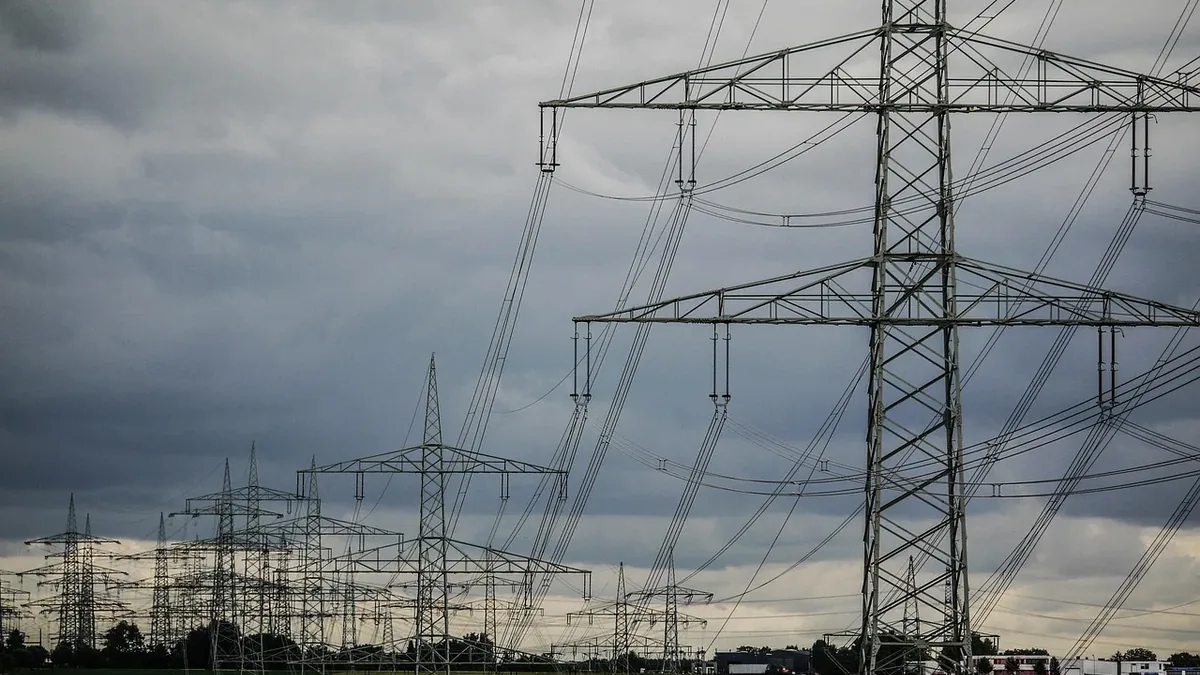
Transmission Build Out
| Technology type | Electricity transmission infrastructure |
|---|---|
| Original use | Bulk transfer of electrical power over long distances |
| Primary components | High-voltage power lines, substations, towers/poles |
| Typical voltage class | High voltage (HV) or extra-high voltage (EHV) |
| Construction scale | Large-scale linear infrastructure project |
| Typical project lead time | Multi-year |
| Key purpose | Connect generation sources to load centers or interconnect grids |
Origin and history
The systematic build-out of electrical transmission infrastructure originated in the late 19th and early 20th centuries in Europe and North America, concurrent with the commercialization of alternating current (AC) power systems. This period saw the first long-distance high-voltage transmission lines, which were essential for connecting centralized generation stations to growing urban load centers. The foundational technological principles were established by pioneers like Nikola Tesla, George Westinghouse, and others who championed AC over direct current (DC) for efficient power transfer. The concept evolved from simple radial lines into interconnected grids or networks throughout the mid-20th century to improve reliability and enable larger-scale power exchange. The modern imperative for transmission build-out is heavily driven by the integration of renewable energy sources located far from demand, a shift that gained significant momentum in the late 20th and early 21st centuries. This historical progression underscores that transmission expansion has always been a critical enabler for accessing new energy resources and achieving economic and policy goals in the power sector.
What it is for
Transmission build-out is for moving bulk electrical power over long distances from where it is generated to where it is consumed. Its primary function is to connect remote generation resources, such as large-scale wind farms, solar installations, or hydropower dams, to population centers and industrial hubs that require the electricity. This infrastructure is essential for maintaining grid reliability by providing multiple pathways for power flow, which helps prevent outages and allows for the balancing of supply and demand across wide regions. Furthermore, it enables wholesale electricity markets to operate efficiently by allowing power to be traded between different utility service territories and balancing authorities. A major contemporary driver is to facilitate decarbonization goals by unlocking renewable energy potential in areas with high-quality resources but low local demand. Ultimately, transmission expansion serves as the backbone for energy security, economic development, and the transition to a modernized, resilient electricity grid.
Overview
A transmission build-out project involves the planning, permitting, financing, construction, and commissioning of new high-voltage power lines and associated substations. These projects typically operate at voltages of 115 kilovolts (kV) and above, with many modern lines designed for 345 kV, 500 kV, or even 765 kV AC, or high-voltage direct current (HVDC) technology for very long distances. The physical infrastructure includes steel lattice or tubular monopole towers, conductors (wires), insulators, transformers, and sophisticated protection and control systems. The process is highly complex, requiring extensive engineering studies on power flow, stability, and short-circuit currents to ensure the new line integrates safely and effectively into the existing grid. It also necessitates comprehensive environmental and land-use reviews, public engagement, and often multi-state or provincial regulatory approvals due to the linear and cross-jurisdictional nature of the assets. The completed project becomes a permanent part of the interconnected transmission network, altering power flows and market dynamics for decades.
What to know
Transmission projects have exceptionally long lead times, often spanning a decade or more from initial concept to energization, with the permitting and legal processes frequently being the most time-consuming phases. The cost of such projects is substantial, typically ranging in the hundreds of millions to billions of dollars, and is usually recovered from ratepayers over many years through regulated tariffs or cost-allocation agreements among utilities. Right-of-way acquisition is a critical and challenging component, involving negotiations with numerous landowners and potentially the use of eminent domain authority where granted by legislation. Technologically, engineers must choose between AC and HVDC solutions, with HVDC often favored for very long, point-to-point connections or undersea cables, while AC is standard for networked grid expansion. The project's success is heavily dependent on demonstrating a clear need, such as relieving congestion, improving reliability, or enabling compliance with renewable portfolio standards, to regulatory bodies. It is also crucial to understand that a new transmission line does not generate power itself but is an enabling asset whose value is derived from the generation it connects and the grid benefits it provides.
Common questions
A common question is why we cannot simply generate power locally with rooftop solar and batteries instead of building large, intrusive transmission lines. The answer is that while distributed resources play a vital role, utility-scale renewable resources in optimal locations are often far more cost-effective and resource-intensive, requiring transmission to deliver that low-cost energy to where it is needed. People frequently ask who pays for these multi-billion-dollar projects, which is ultimately electricity consumers, though the specific cost-allocation among states, utilities, and customer classes is a major source of regulatory debate and litigation. Many wonder if buried lines are an option to avoid visual and environmental impacts, a solution that is technically feasible but often costs five to ten times more than overhead lines and presents its own maintenance and repair challenges. Landowners consistently ask about health effects, specifically regarding electromagnetic fields (EMFs), an area where extensive scientific research has not established a causal link to human disease at typical exposure levels from power lines, though public concern persists. A recurring question from policymakers is how to accelerate build-out, which points to reforms in permitting, siting authority, and inter-regional planning as key leverage points. Finally, communities often inquire about tangible local benefits, which can include property tax revenue, temporary construction jobs, and potentially enhanced grid reliability for the immediate area, though these are weighed against permanent land use changes.
Pros and cons
A significant pro of transmission build-out is its ability to lower overall electricity costs by accessing the cheapest available generation, often renewable, and reducing congestion costs that burden ratepayers. It dramatically enhances grid resilience and reliability by providing redundant power paths and facilitating better balancing of variable renewable generation across a wider geographic area. Furthermore, it is a foundational enabler for deep decarbonization, allowing states and countries to meet clean energy mandates by connecting to distant wind, solar, and hydro resources. A major con is the extensive environmental and community impact during construction, including habitat fragmentation, visual intrusion, and disruption to agricultural and recreational land use, which generates substantial local opposition. The regulatory and legal complexity often leads to extreme delays, cost overruns, and even cancellation of fully planned projects, creating uncertainty for generators and investors relying on the line. A common mistake is underestimating the social and political opposition, leading proponents to focus solely on engineering and economics while failing to secure a "social license" from affected communities, which is a frequent point of failure. Many entities regret choosing a purely overhead AC solution without seriously evaluating partial burial or HVDC alternatives when faced with impassable public resistance in sensitive corridors, even at a higher upfront cost.
Who it suits
Transmission build-out suits regions with a significant geographic mismatch between high-quality, low-cost energy resources and major load centers, such as windy plains or sunny deserts distant from cities. It is necessary for utilities, grid operators, and policymakers who are mandated to integrate state or national shares of renewable energy and require the physical infrastructure to make those policy goals technically feasible. Large-scale independent power producers developing utility-size wind, solar, or hydro facilities in remote locations are directly dependent on new transmission access to bring their product to market. Industrials and large commercial consumers seeking stable, affordable power may advocate for transmission expansion if it promises access to more competitive wholesale markets or dedicated renewable energy supply. The approach suits jurisdictions with established regulatory frameworks for cost recovery and a political consensus on the strategic value of grid expansion, even in the face of local opposition. It is less suited to densely populated regions where right-of-way acquisition is prohibitively expensive and controversial, or for addressing very localized reliability issues which might be better solved with distributed generation or targeted grid hardening.
Latest Transmission Build Out news
Latest reporting
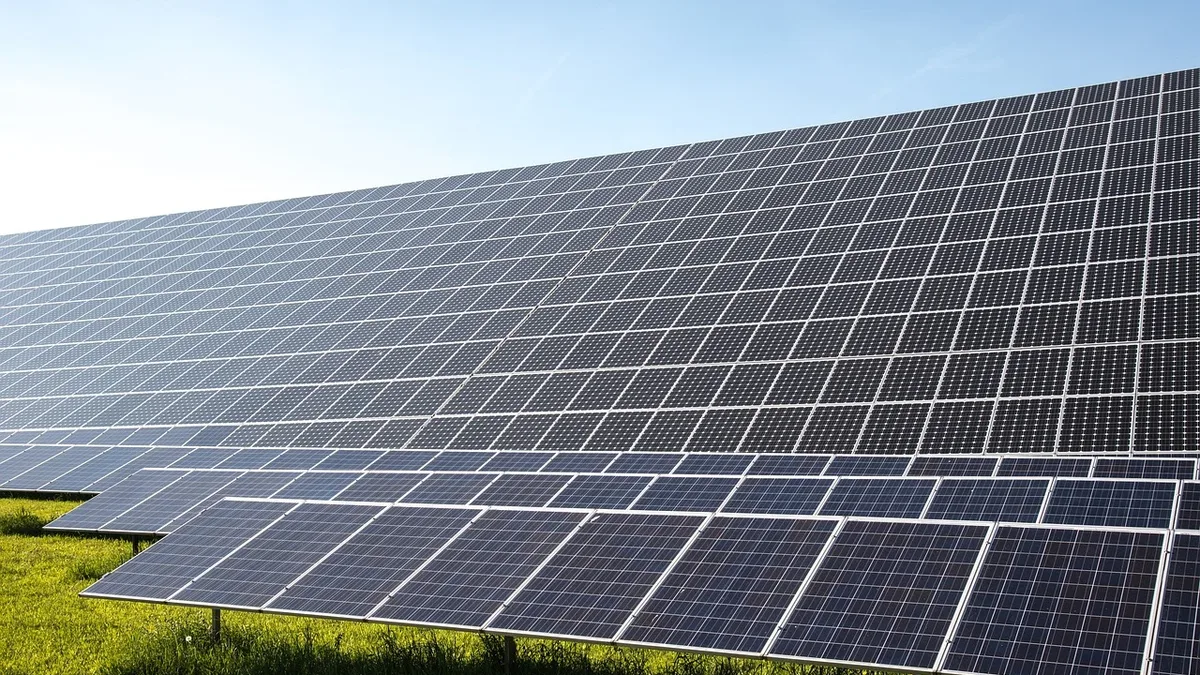
Websol Secures West Bengal Land for 4GW Solar Plant
Websol Energy System has obtained 21.9 hectares in West Bengal's Falta Industrial Park to build a 4GW solar cell and module factory, with the first...
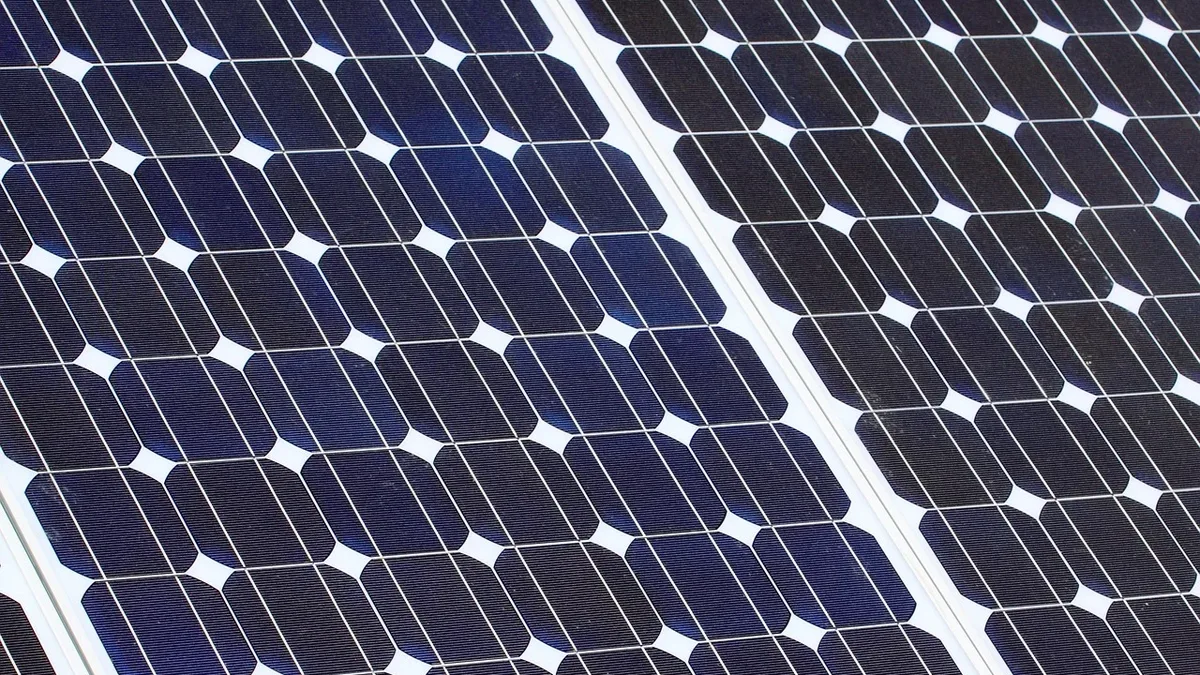
Suniva secures $835 million for 4.5 GW solar
Suniva has raised $835 million to build a new 4.5 GW solar cell factory in South Carolina, set to open in late 2027.
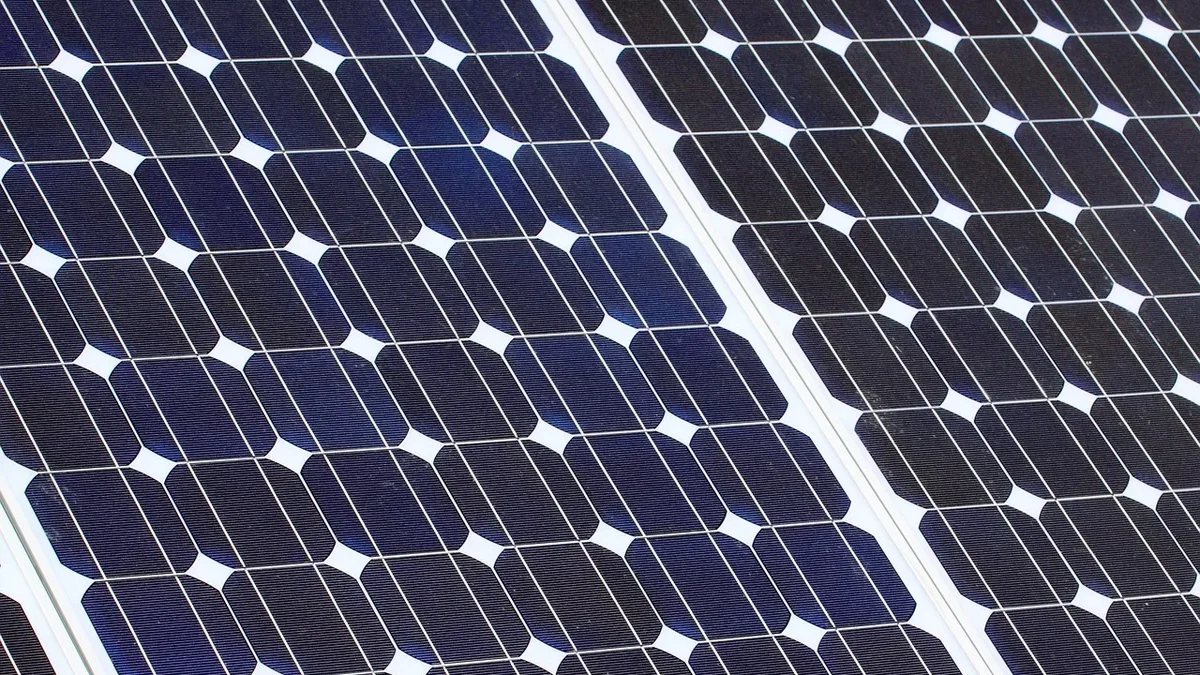
Cosmic PV Power plans IPO to fund 1.1 GW
Indian solar manufacturer Cosmic PV Power has secured SEBI approval for a 640 crore rupee IPO. The company will use most of the fresh issue proceeds...
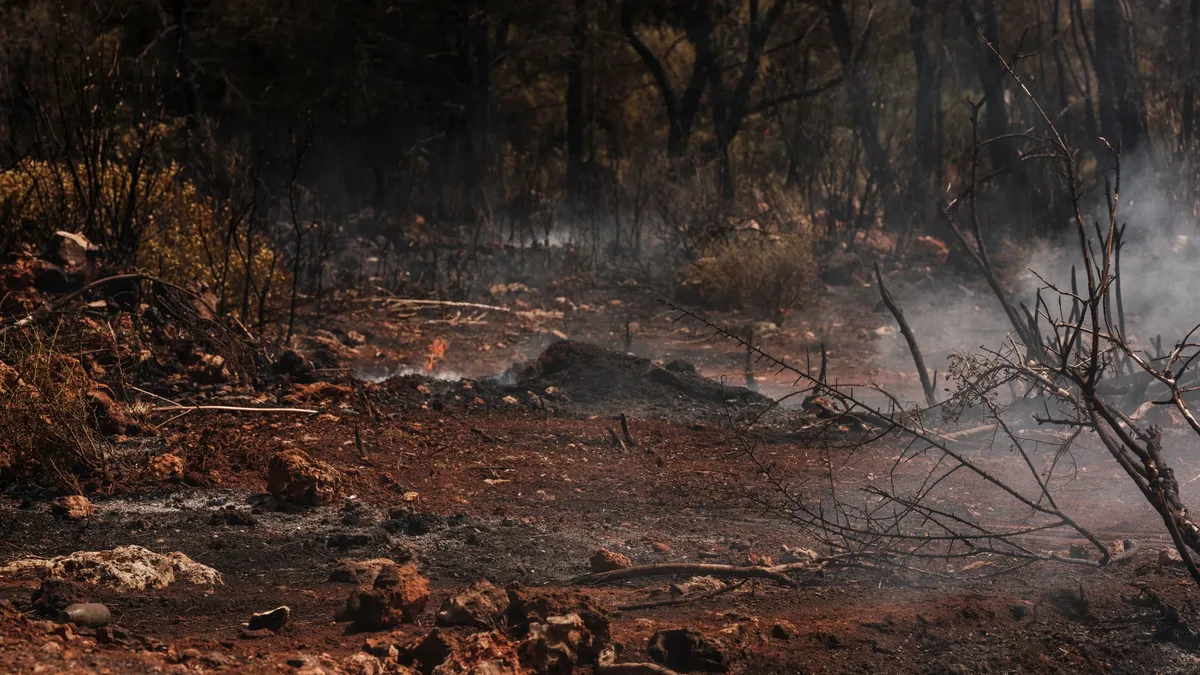
Wildfire Impacts on Ready-to-Build Solar Ventures
A forest fire can force a review of technical, environmental, and economic conditions for a solar installation that has reached ready-to-build status
Low Concentrator Photovoltaic Receiver for Wireless Laser Power Transmission
Researchers from Spain's University of Jaén have developed a low-concentrator photovoltaic receiver that improves optical coupling under static yet...