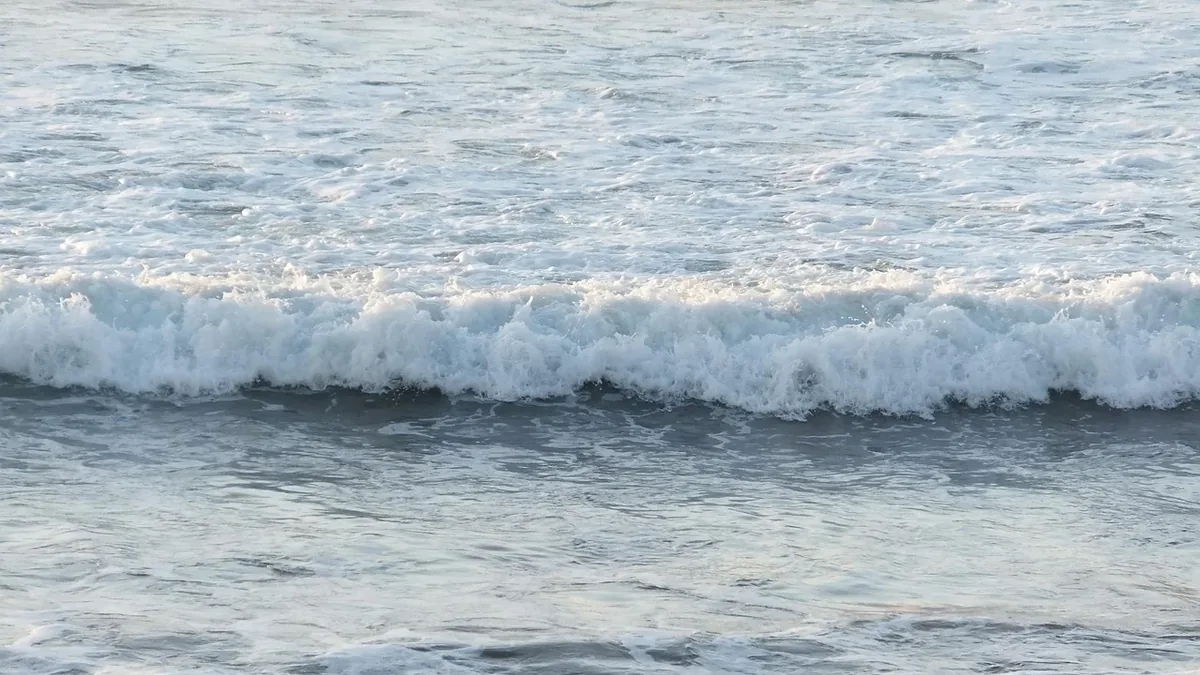
Tidal And Wave
| Technology type | Marine renewable energy generation |
|---|---|
| Power source | Ocean tides and/or wave motion |
| Output type | Electrical power |
| Primary deployment environment | Coastal or offshore marine sites |
| Project scale | Pilot, demonstration, or utility-scale |
| Project status | Proposed, under construction, or operational |
| Project location | Specific body of water (e.g., Pentland Firth, Scotland) |
Origin and history
Tidal energy technology has historical roots in tide mills, which were used for mechanical power in coastal regions of Europe and the Atlantic coast of North America for centuries. The concept of generating electricity from tidal range, using barrages, was first seriously developed and implemented in the mid-twentieth century. The La Rance Tidal Power Station in France, which began operation in the 1960s, remains a landmark early project for tidal barrage generation. Wave energy conversion concepts were first documented and patented in the late eighteenth and nineteenth centuries, primarily in France and the United Kingdom. Modern concerted research and development into both tidal and wave energy technologies gained significant momentum during the 1970s oil crises, driven by a global search for alternative energy sources. The subsequent decades saw various prototype devices tested, particularly in the North Atlantic region, which has high wave and tidal resources.
What it is for
Tidal and wave energy technologies are designed to capture the kinetic and potential energy from ocean waters to generate electricity for grid supply. Tidal stream generators function similarly to underwater wind turbines, converting the flow of tidal currents into rotational mechanical energy. Tidal range projects, such as barrages or lagoons, exploit the height difference between high and low tides to drive turbines. Wave energy converters are engineered to extract energy from the surface motion of waves, using oscillating bodies, overtopping devices, or oscillating water columns. The primary purpose is to provide a predictable and renewable source of baseload or near-baseload power, complementing more intermittent sources like solar and wind. These technologies are also deployed for niche applications such as powering remote coastal or island communities, offshore installations, or oceanographic monitoring equipment.
Overview
Tidal energy is broadly categorized into tidal range and tidal stream technologies, with the former involving impoundment structures and the latter using in-stream turbines anchored to the seabed. Wave energy encompasses a wider variety of device types, including point absorbers, attenuators, oscillating water columns, and overtopping terminators, each with distinct operating principles. The energy density of both tidal currents and waves is significantly higher than that of wind, allowing for potentially smaller device footprints for equivalent power output. Projects are typically located in areas with high resource potential, such as coastal channels with strong tidal currents or exposed coastlines with persistent wave activity. The development pathway involves extensive resource assessment, environmental impact studies, and phased testing from scaled prototypes to pre-commercial arrays. Grid connection for utility-scale projects requires specialized subsea cables and often integration with onshore electrical infrastructure.
What to know
The predictability of tidal movements, governed by astronomical cycles, is a key advantage, allowing generation schedules to be forecast decades in advance with high accuracy. Wave energy is less predictable than tides but more consistent than solar or wind on seasonal timescales, especially in temperate ocean climates. The marine environment presents extreme engineering challenges, including corrosion from saltwater, biofouling, and structural loading from storms and extreme waves. Capital costs for these technologies have historically been very high due to the harsh operating environment, specialized materials, and complex installation and maintenance logistics. Environmental considerations are critical and include potential impacts on marine mammal migration, sediment transport, seabed habitat, and underwater noise. The sector remains largely in the pre-commercial and demonstration phase, with only a handful of multi-megawatt tidal stream projects and very few large-scale wave farms operating globally.
Common questions
What is the main difference between tidal and wave energy? Tidal energy harnesses the bulk movement of water due to tidal forces, while wave energy captures the wind-driven oscillation of the water surface. How reliable is the power generation from these sources? Tidal stream and range power is highly predictable and reliable, whereas wave power output varies with weather conditions but is less intermittent than wind. Are these technologies harmful to marine life? The risks include collision with moving parts for tidal turbines, habitat alteration, and noise, which are mitigated through careful siting, monitoring, and device design. Why is tidal and wave energy not more widespread? High upfront costs, technological immaturity compared to other renewables, and lengthy permitting processes due to environmental concerns are significant barriers. Can these systems withstand major storms? Devices are engineered to survive extreme conditions, often by submerging or locking moving parts, but storm damage remains a substantial operational risk. What is the typical lifespan of a tidal or wave energy project? With robust engineering, the mechanical and electrical components are designed for 20 to 25 years of operation, though the structural foundations may last longer.
Pros and cons
A significant advantage is the high energy density and predictability of the resource, especially for tidal, which facilitates grid management. These technologies produce electricity without greenhouse gas emissions during operation and have a relatively small visual footprint compared to some land-based renewables. The cons are substantial and include exceptionally high capital expenditure and levelized cost of energy compared to established wind and solar. Operation and maintenance in the marine environment is complex, hazardous, and expensive, often requiring specialized vessels and weather windows. Technological reliability has been a historical issue, with many prototypes failing to survive long-term in harsh sea states, leading to financial losses for early investors. The common mistake is underestimating the engineering challenges and the total cost of installing, maintaining, and decommissioning marine energy systems, which can render projects non-viable.
Who it suits
This technology suits nations and regions with excellent coastal resources, such as the United Kingdom, Canada, Norway, and parts of East Asia, where high tidal ranges or powerful wave climates exist. It is appropriate for governments and utilities with long-term decarbonization strategies that can provide sustained policy support, revenue certainty, and grants for research and demonstration. The sector suits engineering consortia and companies with expertise in offshore oil and gas, maritime engineering, and large-scale renewables, capable of managing high-risk projects. It is less suited for markets with low electricity prices, weak grid infrastructure near coasts, or where competing renewable resources like onshore wind and solar are vastly cheaper. Remote island communities or industrial operations dependent on expensive diesel generation may find niche, small-scale applications economically justifiable despite higher costs. Ultimately, it suits patient investors and developers focused on long-term energy portfolio diversification rather than short-term returns.
Latest Tidal And Wave news
Latest reporting
IEC Experts Address Solar and Wind Equipment End-of-Life
Industry standards bodies are developing frameworks for the repair, reuse, and recycling of aging solar panels and wind turbines to tackle a looming...
AI Agents Streamline Solar Sales and Operations
A new startup called Wave Sales is offering an agentic AI platform to address issues in the residential solar sales process, providing integrations...