
Thermal And Sand Storage
| Technology type | Concentrated Solar Power (CSP) with thermal energy storage |
|---|---|
| Recall | A utility-scale energy generation and storage facility |
| Storage medium | Silica sand |
| Storage principle | Gravity-fed particle heating and storage in insulated silos |
| Project name | Polar Night Energy's first commercial sand battery |
| Project location | Vatajankoski, Finland |
| Original use | Industrial waste heat recovery and grid-scale energy storage |
| First operational | 2022 |
Origin and history
Thermal And Sand Storage, specifically referring to systems using solid particles like sand as both the heat transfer and storage medium, originates from concentrated solar power (CSP) research in the 2010s. The concept builds upon decades of development in high-temperature thermal energy storage for solar thermal plants, which traditionally used molten salts. Researchers in the United States and Europe, particularly at national laboratories and technical universities, began detailed investigation into alternative storage media to overcome temperature and cost limitations. The core innovation was shifting from liquid-phase storage materials to inexpensive, stable solid particles that could withstand much higher temperatures. Pilot testing and component development for sand-based thermal storage accelerated in the late 2010s, leading to integrated system designs. The technology's history is thus one of incremental adaptation within the CSP field, seeking a more robust and scalable storage solution.
What it is for
This technology is for storing large quantities of thermal energy from intermittent sources, primarily for later use in generating electricity. Its primary application is to decouple solar energy collection from electricity generation in concentrated solar power plants, allowing for power delivery after sunset or during cloudy periods. The system is designed to provide long-duration energy storage, potentially spanning many hours or even multiple days, which is a key grid requirement for high renewable penetration. It serves to increase the capacity factor and economic viability of solar thermal plants by enabling them to operate like conventional baseload or dispatchable power stations. Furthermore, the high operating temperatures achievable are for interfacing with high-efficiency power cycles, such as supercritical carbon dioxide turbines, to improve overall conversion efficiency. Ultimately, it is for providing reliable, clean firm power and grid stability services using abundant and inexpensive storage materials.
Overview
A Thermal And Sand Storage system is a type of particle-based thermal energy storage integrated with a concentrating solar field. The storage medium consists of millions of tonnes of inexpensive, stable solid particles, typically silica sand or ceramic derivatives, which are heated to extremely high temperatures, often exceeding 1000°C. In a typical design, cold sand particles are fed into a solar receiver, where concentrated sunlight directly heats them as they fall, before being conveyed to an insulated hot storage silo. When electricity is needed, hot particles are gravity-fed from the silo to a heat exchanger, where they release their thermal energy to a working fluid, such as air or supercritical CO2, that drives a turbine and generator. The cooled particles are then transferred to a cold storage silo, completing a closed-loop cycle. The entire system is engineered for continuous, automated handling of bulk granular material, with careful attention to particle attrition, heat loss, and flow control.
What to know
The storage medium is non-flammable, non-toxic, and can be sourced from abundant industrial minerals, offering a significant potential cost advantage over molten salts or battery chemistries. These systems operate at significantly higher temperatures than conventional molten salt storage, which is typically limited to about 565°C, enabling more efficient power generation cycles. A critical engineering challenge is the reliable handling and conveyance of hot, abrasive particles across the entire system, including lifts, valves, and heat exchangers, which must withstand extreme conditions. Unlike batteries, the storage capacity scales economically with the size of the particle inventory and silos, making the technology more suited for very large, utility-scale storage durations. The technology is often coupled with next-generation solar receivers, like falling particle or centrifugal receivers, designed for direct irradiation of the particles. Integration into existing power block infrastructure requires specialized heat exchangers, as the working fluid must be isolated from the particulate flow.
Common questions
Is the sand special, or can any sand be used? While the basic principle uses silica sand, not all sand is suitable; it requires specific particle size distribution, shape, and chemical purity to ensure stable flow and resistance to thermal degradation and fracturing. How long can the sand store heat? The insulation of the storage silos is the limiting factor, with thermal losses typically designed to be very low, allowing useful storage for several days, though the system is intended for daily cycling. Can the system be used with energy sources other than solar? Yes, the thermal storage block is agnostic to the heat source and could theoretically be charged by excess electricity from wind or the grid via resistive heating, though this is less efficient. What happens if the sand degrades over time? Particle attrition from mechanical handling and thermal cycling is a known issue, requiring periodic screening and makeup material, which is factored into operational costs. Are there any commercial plants using this? As of the early 2020s, several demonstration projects and integrated test facilities are operating, with the first full-scale commercial projects under development. Is water used in the process? No water is used for the storage or primary energy transfer cycle, a significant advantage in arid regions where CSP is often deployed.
Pros and cons
Pros: The primary advantage is the very low cost and high abundance of the storage medium itself, which directly reduces the capital cost per kilowatt-hour of storage capacity. The ability to operate at extreme temperatures unlocks higher thermodynamic efficiency in the power block, improving the plant's overall fuel-free output. The materials are inherently safe, with no risk of freezing, fire, or environmental contamination associated with some liquid salts or battery chemistries. The technology is well-suited for providing long-duration storage, as scaling capacity primarily means building larger silos, which scales more linearly than electrochemical storage. It offers excellent durability and a long operational lifespan for the storage media, which does not degrade electrochemically. Cons: The major drawback is the complexity and unproven reliability at full commercial scale of the continuous hot solids handling system, which presents significant engineering challenges for valves, lifts, and heat exchangers. The round-trip efficiency (electricity-to-heat-to-electricity) is lower than for batteries, due to thermodynamic losses in heat exchange and conversion, making it less suitable for short-duration cycling. A common mistake in assessing the technology is underestimating the parasitic power load required to move massive quantities of sand through conveyors and lifts, which can impact net plant output. Early adopters may regret the choice if integration issues lead to prolonged downtime or lower-than-expected availability, as the technology is still in the early commercialisation phase. The system also has a large physical footprint for the storage silos and material handling infrastructure, requiring considerable space.
Who it suits
This technology suits utility-scale developers and operators of concentrated solar power plants who require low-cost, long-duration storage to meet offtake agreements for firm, dispatchable renewable power. It is appropriate for projects in regions with high direct normal irradiance and available land, where its scalability can be fully leveraged. Investors and developers with a higher risk tolerance and an interest in pioneering next-generation CSP technology are the likely early adopters, rather than those seeking fully de-risked solutions. The technology suits grid systems with a high penetration of variable renewables like solar PV and wind, where its multi-day storage capability can address seasonal or prolonged Dunkelflaute events. It is also a candidate for industrial applications that require continuous, high-temperature process heat, where the storage system could be charged by intermittent renewable electricity. Finally, it suits regions or policies prioritizing energy independence and the use of locally sourced, mundane materials in the energy transition.
Latest Thermal And Sand Storage news
Latest reporting
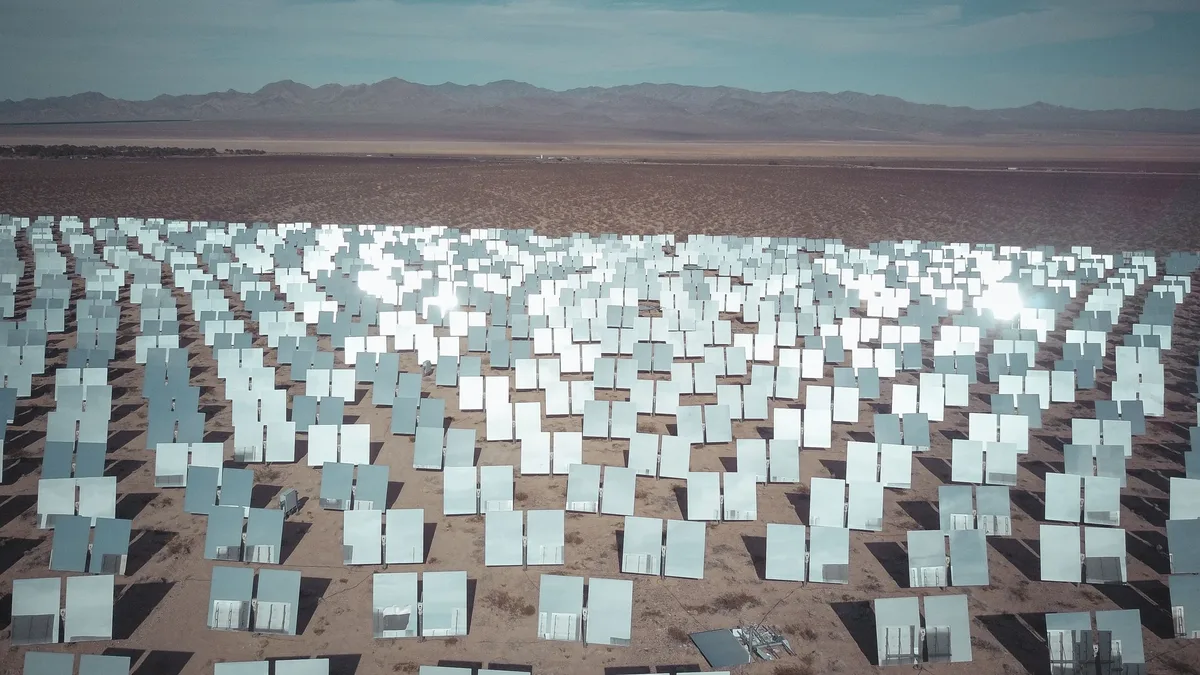
Adani Green Energy expands Khavda battery storage to 6.63
Adani Green Energy Ltd has expanded its operational battery storage capacity at Khavda, Gujarat, to 6.63 GWh within 14 months, now representing over...
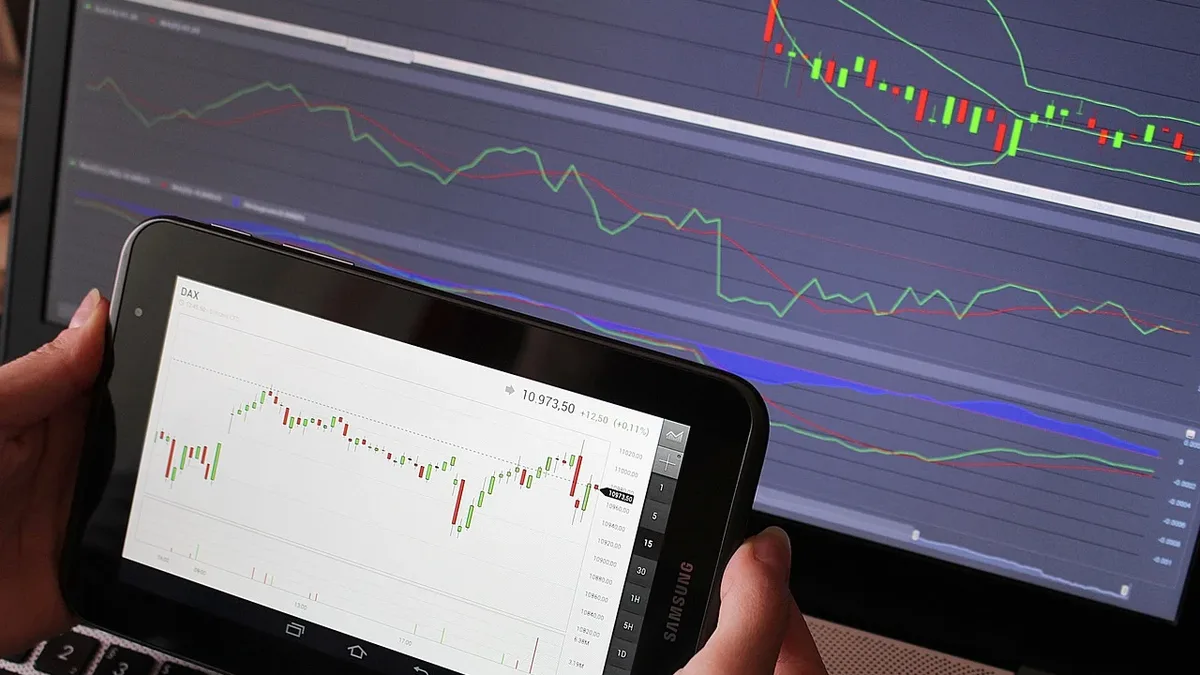
U.S. Energy Storage Market Hits Record 18.9 GWh in Q2 2026
The U.S. Energy storage market deployed a record 18.9 GWh of capacity in the second quarter of 2026, driven by utility-scale growth and a shift toward
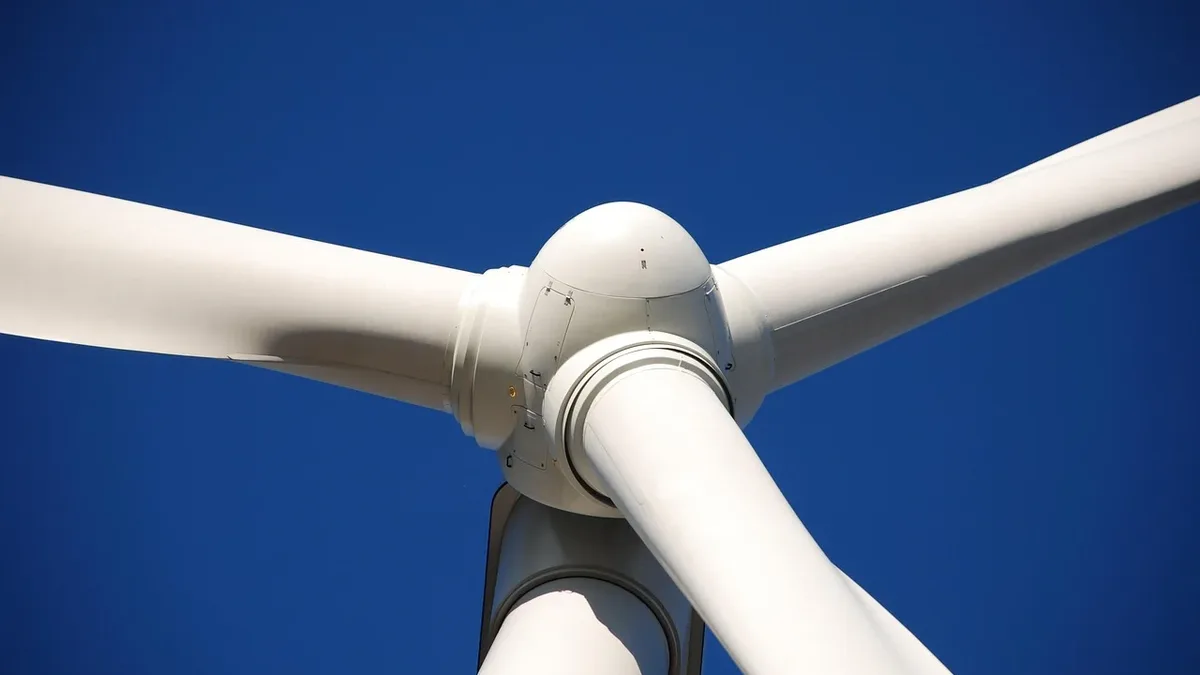
EnergyPathways advances MESH salt cavern storage for UK grid
EnergyPathways is developing the Marram Energy Storage Hub (MESH), a 300 MW/55.2 GWh compressed air energy storage project in salt caverns under the...
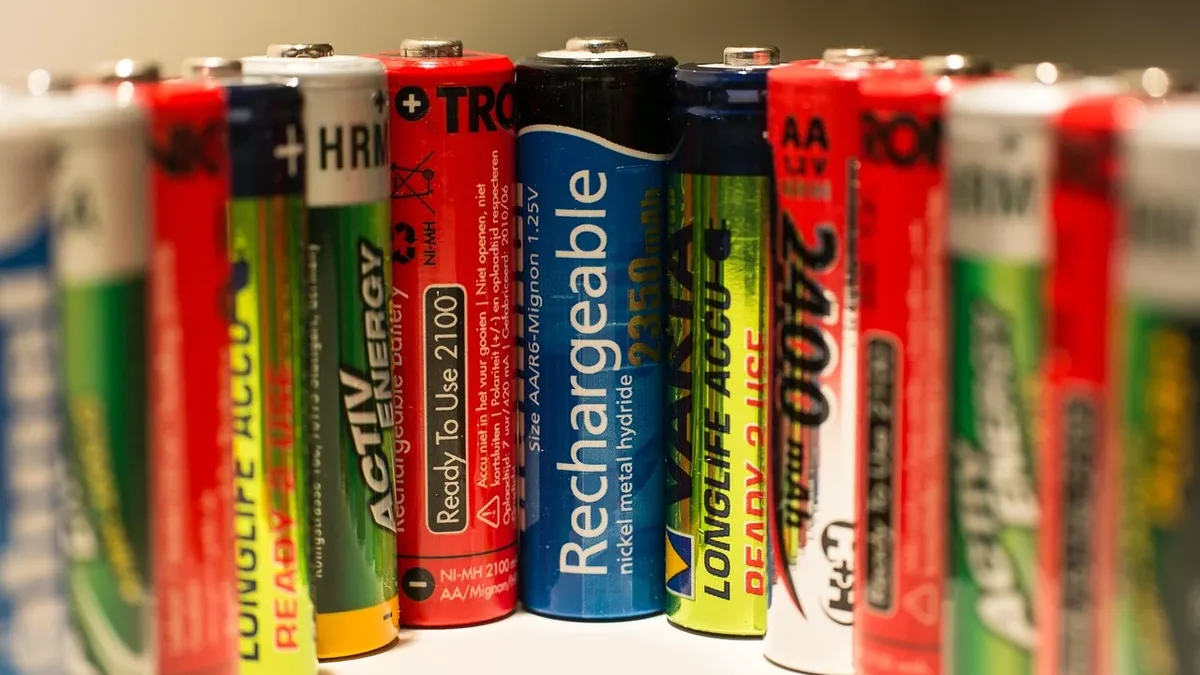
India's BESS capacity faces delays from rising battery
A significant portion of India's under-construction battery energy storage capacity is at risk of delays due to rising battery costs and limited...
ERCO secures USD 33 million for Colombia
Finnfund and Proparco have committed a combined USD 33 million to Colombian solar energy platform ERCO. The EU-backed investment will fund solar and...
GridStor Secures $220 Million for Arizona Battery Storage
GridStor has closed $220 million in financing for its 100 MW/400 MWh White Tank battery storage project in Arizona, which will serve APS under a...