South Korea
| Technology type | Pressurized water reactor |
|---|---|
| Country of origin | South Korea |
| Original use | Commercial electricity generation |
| Power output | 1000 MWe (gross) |
| Design life | 60 years |
| Model lineage | APR-1400 |
| Reactor coolant system | Two loops |
Origin and history
South Korea, officially the Republic of Korea, originates from the Korean Peninsula in East Asia. Its modern political entity was established in the mid-20th century following the end of Japanese colonial rule after World War II. The peninsula was subsequently divided along the 38th parallel, leading to the formation of two separate governments in 1948. The devastating Korean War from 1950 to 1953 solidified this division, leaving the Republic of Korea controlling the southern portion. The nation's subsequent history is defined by its remarkable transformation from a war-torn, agrarian society into a high-tech industrialized economy. This period of rapid development, often referred to as the "Miracle on the Han River," began in earnest during the 1960s and continued over the following decades.
What it is for
South Korea functions as a sovereign nation-state with a democratic government and a market-based economy. Its primary purpose is to ensure the security, prosperity, and welfare of its citizenry within the framework of its constitution. The state actively directs and facilitates industrial and technological development, a historical characteristic of its economic planning. It maintains a strong national defense capability, particularly in response to the ongoing military threat from North Korea. Furthermore, South Korea engages extensively in global diplomacy and trade, seeking to bolster its international standing and economic partnerships. Domestically, it administers public services, infrastructure, education, and cultural preservation for a densely populated territory.
Overview
South Korea occupies the southern half of the Korean Peninsula, sharing a heavily fortified land border with North Korea and being surrounded by sea on its other three sides. Its government is a unitary presidential republic with its capital in Seoul, a major global metropolis. The country operates a highly developed mixed economy dominated by family-owned industrial conglomerates known as *chaebol*, such as Samsung, Hyundai, and LG. It is a world leader in several advanced technology sectors, including semiconductors, consumer electronics, telecommunications, and automotive manufacturing. South Korean popular culture, notably K-pop and television dramas, has achieved significant global influence in recent decades. The nation possesses a high standard of living, a very high level of internet connectivity, and one of the world's most extensive high-speed rail networks.
What to know
South Korea's society places a strong emphasis on education, academic achievement, and competitive examinations, which can create intense social pressure. Confucian principles continue to subtly influence social hierarchies, respect for elders, and organizational behavior despite widespread modernization. The national security situation is unique, with the constant presence of the North Korean threat shaping defense policy, mandatory military service for men, and public discourse. Its demographic trajectory is a critical issue, featuring one of the world's lowest birth rates and a rapidly aging population, posing long-term economic challenges. The country has a vibrant and politically active civil society, with public opinion often mobilized through large-scale demonstrations and online platforms. South Korea's legal system is a complex blend of civil law influenced by European models and remnants of older legal traditions.
Common questions
What is the relationship between South Korea and North Korea? They are two separate, hostile states still technically at war, having only signed an armistice, not a peace treaty. How did South Korea develop so quickly? Development was driven by export-oriented industrialization policies, strong state guidance, significant U.S. aid, and a high savings rate channeled into *chaebol* groups. Is South Korea a good place for foreign business? It offers a highly skilled workforce and advanced infrastructure but can present challenges with complex regulations, a competitive local market, and opaque corporate networks. What is the status of the Korean language? The Hangul alphabet is used exclusively and is a source of national pride, having been deliberately created in the 15th century. Does South Korea have mandatory military service? Yes, conscription is mandatory for all able-bodied male citizens, typically for about 18-21 months, due to the security situation. How homogeneous is South Korean society? It has been historically ethnically homogeneous, but immigration is increasing, leading to gradual social discussions about multiculturalism.
Pros and cons
Pros include a highly developed and technologically sophisticated infrastructure, providing exceptional internet speeds, efficient public transportation, and modern conveniences. The education system produces a highly literate and skilled workforce, fueling innovation and technical competency across industries. There is a strong cultural emphasis on public safety and order, resulting in very low crime rates and clean urban environments. Cons include an extremely competitive social and educational environment that can lead to high stress, burnout, and some of the world's highest suicide rates. The rigid corporate hierarchy within many *chaebol* and other institutions can stifle individual creativity and entrepreneurship, favoring seniority over merit. Work-life balance is often poor, with some of the longest working hours in the OECD, despite recent legislative efforts for improvement. A common regret, particularly among expatriates and immigrants, is the difficulty of social integration due to language barriers and deeply ingrained cultural insularity.
Who it suits
This environment suits individuals who thrive in structured, technologically advanced, and fast-paced urban settings, valuing efficiency and convenience. Students dedicated to rigorous academic pursuits may benefit from its top-tier universities and intensive educational resources. The society is less suited for those who prioritize individualistic expression, flexible work cultures, or who are sensitive to high levels of social conformity and pressure. Entrepreneurs outside the established *chaebol* ecosystem may find the market challenging to penetrate due to its competitiveness and network-driven business practices. It can be a rewarding experience for those deeply interested in contemporary East Asian culture and willing to invest significant effort in language acquisition and cultural understanding.
Latest South Korea news
Latest reporting
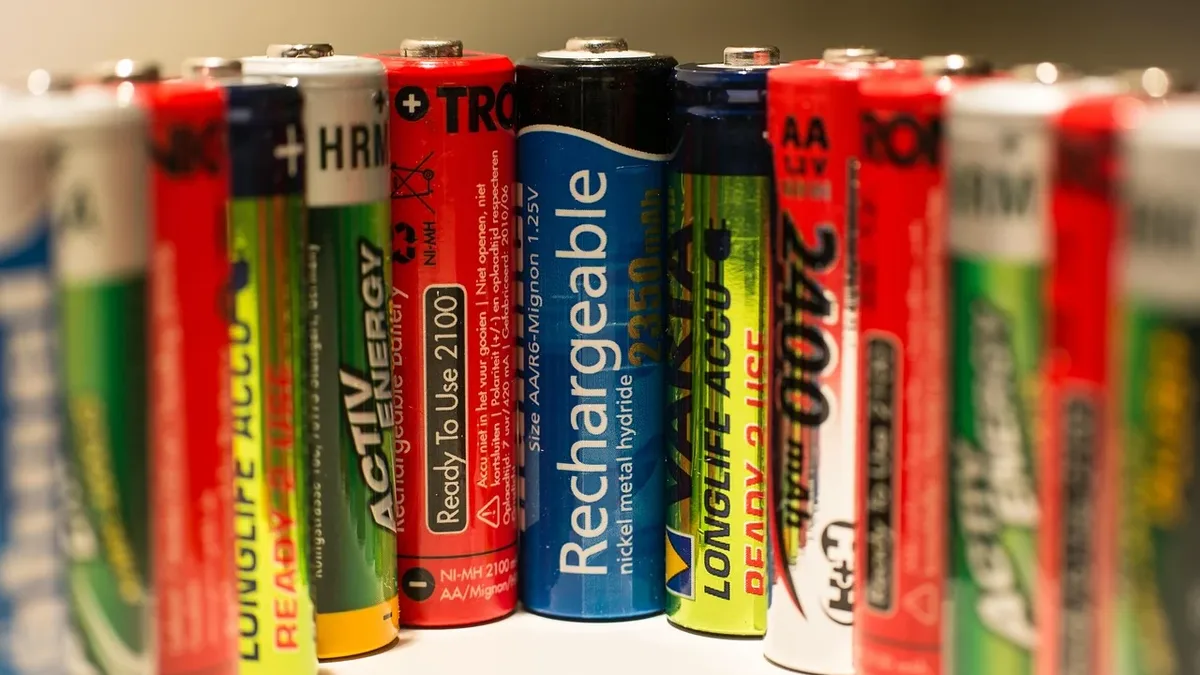
Vena Energy and EnergyAustralia add 554MW of battery storage
Two major battery energy storage systems in South Australia and Victoria, totaling 554MW, have entered the Australian Energy Market Operator's Market

NSW Firming Tender Completes 3GWh Battery Storage Rollout
All four battery storage and demand response projects from New South Wales' 2023 firming tender are now operational, delivering 1GW/3GWh of capacity.
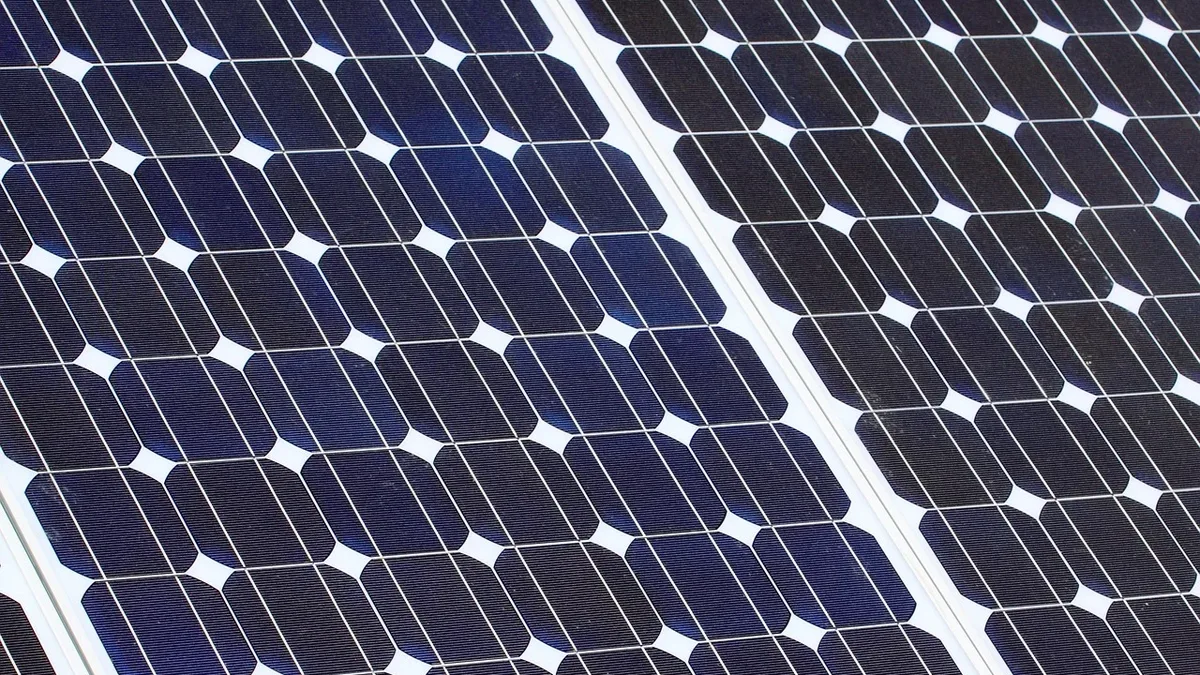
Suniva secures $835 million for 4.5 GW solar
Suniva has raised $835 million to build a new 4.5 GW solar cell factory in South Carolina, set to open in late 2027.
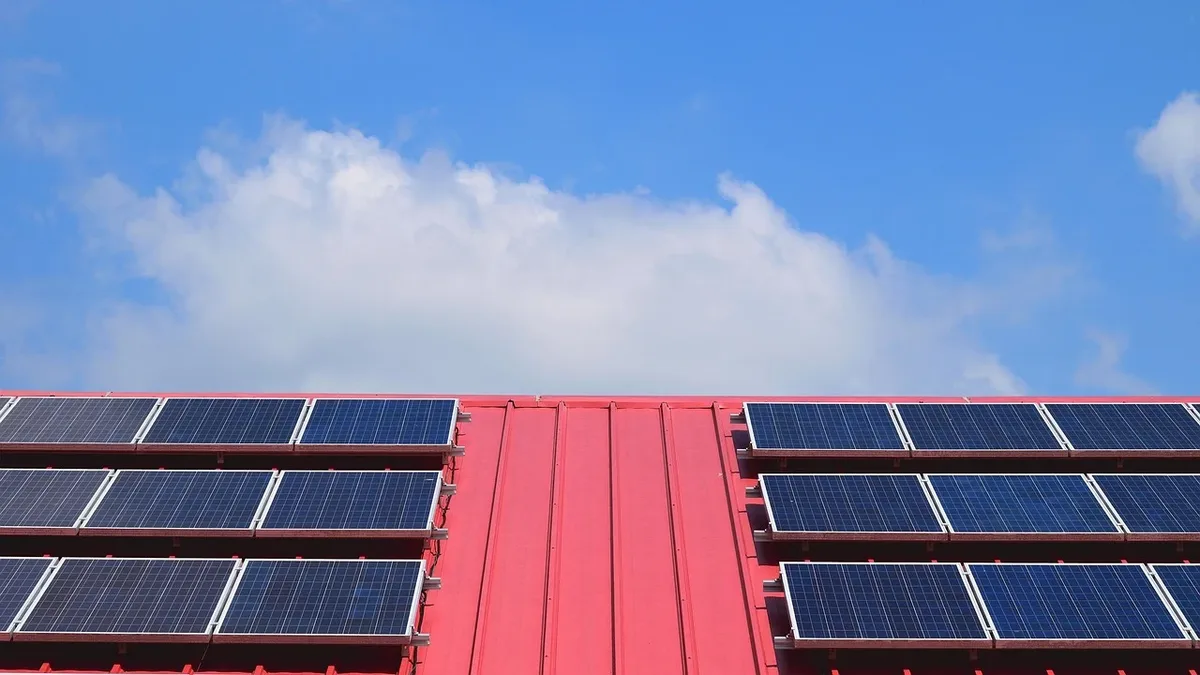
China urged to back local solar finance in Global South
Analysts say China, the world's top solar equipment exporter, should help catalyze local capital for off-grid solar projects in the Global South...
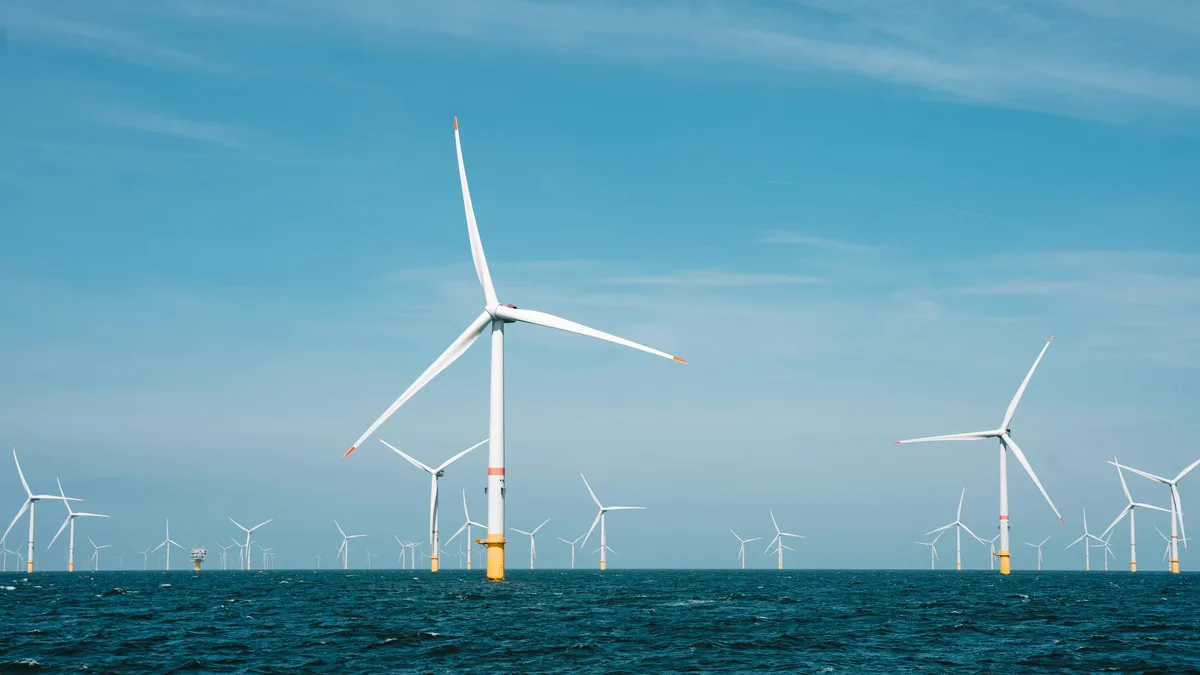
Pacifico Energy invests $1 billion in South Korean offshore
Pacifico Energy Korea has declared an $1 billion-plus investment for two offshore wind projects, Manho and Jindo Baram, which form part of its 3.2 GW...
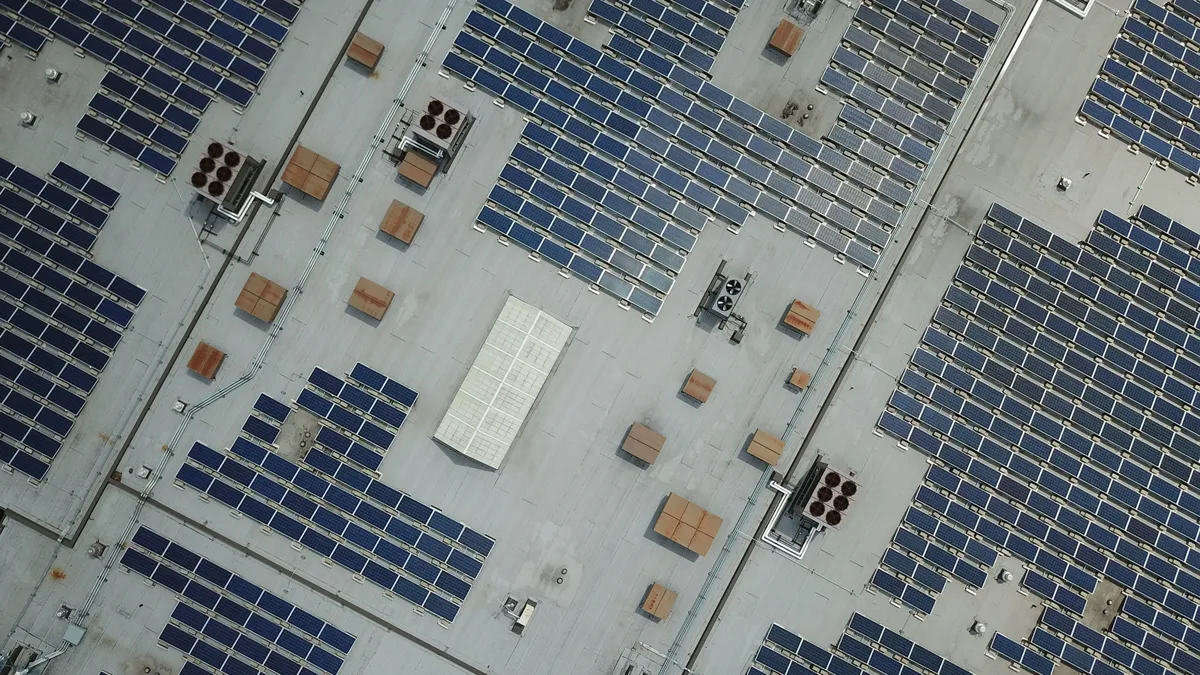
South Korea plans to double 2027 budget for farm solar
South Korea’s Ministry of Agriculture, Food and Rural Affairs has proposed a 2027 budget that increases funding for factory rooftop solar and...