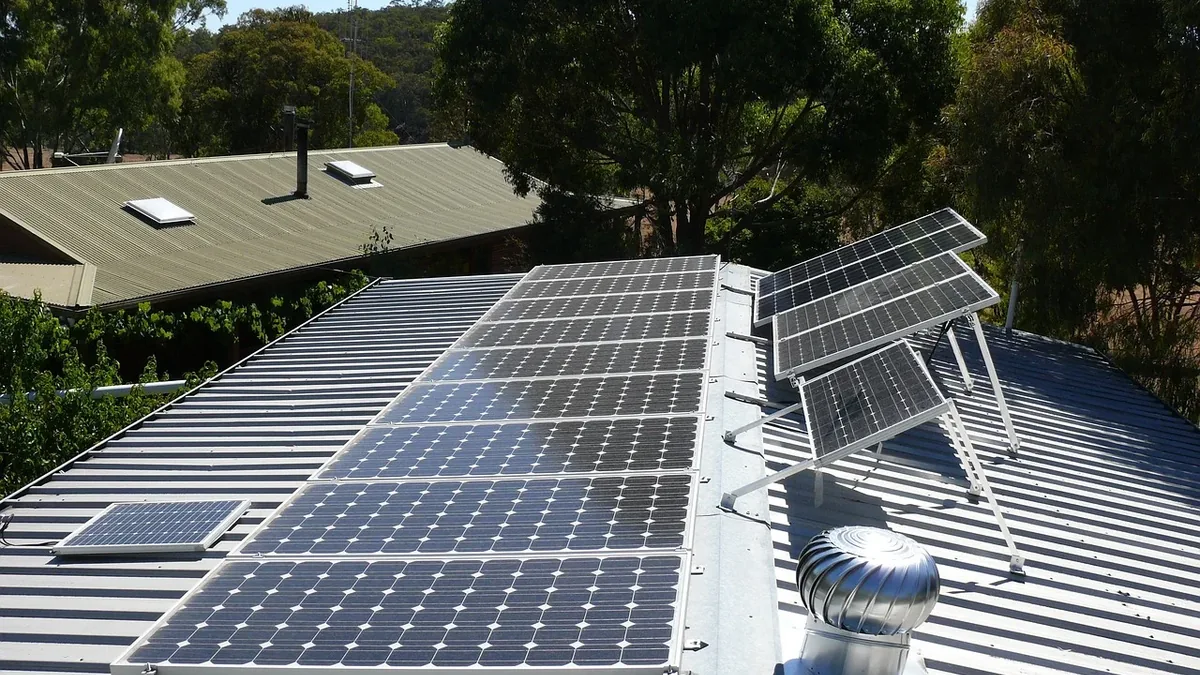
Rooftop And Distributed Generation
| Technology type | Solar photovoltaic, wind turbine, or other small-scale generator |
|---|---|
| Installation site | Commercial, industrial, or residential building rooftop or nearby land |
| Primary purpose | On-site consumption, grid export, or hybrid operation |
| Grid connection | Grid-tied, off-grid, or hybrid with storage |
| Typical capacity range | A few kilowatts to several megawatts |
| Original use | To generate electricity at or near the point of consumption |
| First created | Concept in the late 19th century; modern proliferation began in the late 20th century |
Origin and history
The concept of generating electricity at or near its point of use, rather than exclusively at large central power plants, is as old as the electrical grid itself, with early industrial facilities often operating their own on-site generators. The modern iteration of rooftop and distributed generation, primarily using solar photovoltaics, gained significant traction in the late 20th century, driven by policy support and technological advances. Key early adoption occurred in the 1970s and 1980s in the United States, Japan, and Germany following the oil crises, which spurred government-funded research into renewable energy alternatives. The large-scale commercialization of rooftop solar photovoltaic systems for residential and commercial use began in earnest in the 1990s and early 2000s, particularly in Germany and Japan due to robust feed-in tariff programs. This period saw the technology transition from a niche, off-grid solution to a grid-connected generation asset supported by net metering policies in many regions. The historical development is thus not tied to a single invention date but represents an evolving application of generation technologies, including solar panels, small wind turbines, and combined heat and power systems, at a decentralized scale.
What it is for
Rooftop and distributed generation is primarily for producing electricity directly for the host customer's own consumption, thereby reducing purchases from the utility grid and providing a degree of energy independence. It serves to diversify the energy supply mix, enhance grid resilience by locating generation near demand centers, and reduce transmission and distribution losses associated with moving electricity over long distances. A key purpose is to allow residential homeowners, commercial businesses, industrial facilities, and public institutions to generate their own power, often from renewable sources, to meet sustainability or cost-reduction goals. For utilities and grid operators, strategically sited distributed generation can provide localized grid support, deferring or avoiding costly upgrades to distribution infrastructure like transformers and power lines. In many jurisdictions, it is also a mechanism for individuals and organizations to participate in the energy market, selling excess generation back to the grid under specific tariff arrangements. Furthermore, it provides a critical function for backup power and energy security in areas with unreliable grid infrastructure or high susceptibility to weather-related outages when paired with energy storage.
Overview
Rooftop and distributed generation refers to a broad category of small-scale electricity generation technologies installed at or near the point of consumption, as opposed to centralized power stations. The most prevalent technology globally is grid-connected rooftop solar photovoltaics, but it also includes small wind turbines, micro-hydro systems, fuel cells, and natural gas-powered combined heat and power units. A typical project involves installing an array of solar panels on a residential, commercial, or industrial building's roof or on adjacent land, connected through an inverter to the building's main electrical panel and, in most cases, to the local utility grid. The system's size is generally determined by the host's available space, energy consumption patterns, and financial considerations, ranging from a few kilowatts for a home to several megawatts for a large warehouse or campus. These systems operate in parallel with the grid, importing power when on-site generation is insufficient and exporting surplus when production exceeds immediate demand. The specific project's design, permitting, interconnection agreements, and financial model are fundamental components that distinguish a simple installation from a functional distributed generation asset.
What to know
Interconnection standards and policies, which govern how a distributed generation system connects to the local distribution grid, are critical and vary significantly by utility and regulatory jurisdiction. Net metering or feed-in tariff arrangements, which dictate the financial compensation for exported electricity, are a primary determinant of a system's economic viability and are subject to change as adoption increases. The regulatory landscape is complex, involving building permits, electrical codes, potential utility interconnection studies or fees, and in some cases, specific tariffs or rates for customers with generation. System ownership models have diversified beyond direct purchase to include third-party ownership through solar leases or power purchase agreements, which transfer upfront costs and performance risk but also complicate the long-term benefits. It is essential to recognize that distributed generation introduces bidirectional power flows on distribution circuits originally designed for one-way flow, which can create technical challenges for grid management, such as voltage regulation issues, that utilities must address.
Common questions
A very common question is whether a rooftop solar system will provide power during a grid outage, to which the answer is typically no for standard grid-tied systems without specific, additional hardware like a battery or a critical loads panel. Many ask about the payback period or return on investment, which depends heavily on local electricity rates, solar resources, available incentives, and financing terms, making generalized answers misleading. People frequently inquire about the impact of weather and seasons on solar production, wanting to know how much energy will be generated on cloudy days or during winter months compared to system capacity. Questions regarding roof suitability are standard, covering the required structural integrity, the best orientation and tilt, the effect of shading from trees or chimneys, and the implications for roof maintenance or replacement. There is often confusion about the difference between hybrid systems with batteries, which can store energy for later use, and simple grid-tied systems, which rely on the grid as a virtual battery through net metering. Prospective adopters also commonly ask about the longevity and degradation of equipment, particularly solar panels, and what happens to the system at the end of its functional life.
Pros and cons
A significant advantage is the reduction of monthly electricity bills and protection against future utility rate increases, providing long-term financial predictability for the host customer. Distributed generation, particularly from solar, has minimal operating costs and no fuel requirements once installed, and it reduces greenhouse gas emissions and air pollution associated with fossil fuel combustion. A notable pro is the enhancement of grid resilience by decentralizing supply, which can lessen the impact of transmission failures and reduce congestion on the distribution network. A primary con is the high upfront capital cost, which remains a substantial barrier to adoption despite falling prices, often requiring financing or third-party ownership that complicates the benefits. Regret commonly stems from unrealistic production expectations due to poor site assessment, suboptimal installation, or misunderstanding of local weather patterns, leading to systems that underperform financially. A critical drawback involves regulatory and utility pushback in some areas, where changing net metering policies, increased interconnection fees, or lengthy approval processes can undermine project economics after investment. The common mistake is focusing solely on the cost per watt of the equipment without adequately budgeting for or understanding the soft costs of permitting, interconnection, and potential grid upgrade requirements, or neglecting to consider future roof repairs.
Who it suits
This approach best suits owner-occupiers of residential, commercial, or industrial properties with suitable, unshaded roof space or land who plan to remain at the location long enough to realize the financial return on investment. It is a strong fit for entities with high daytime electricity consumption that aligns well with solar production profiles, such as many retail businesses and manufacturing facilities operating primarily in daylight hours. Organizations with public sustainability commitments, corporate social responsibility goals, or a desire for energy security and brand differentiation are typical candidates for investing in visible on-site generation. Homeowners and businesses in regions with high retail electricity rates, favorable net metering policies, and strong solar or wind resources will find the economic case most compelling. It suits utilities and grid planners in areas where adding distributed generation can be a more cost-effective solution for addressing localized capacity constraints or deferred infrastructure investment than traditional wire-and-pole upgrades. Conversely, it is less suited for tenants without control over the property, for sites with heavy shading or structural limitations, or in regions with very low electricity costs and no supportive policies, where the financial rationale is weak.
Latest Rooftop And Distributed Generation news
Latest reporting

BIPV Façade Study Reveals Grid and Economic Benefits
A global IEA study of 357 BIPV configurations finds vertical façades smooth solar generation curves and improve economic viability by displacing
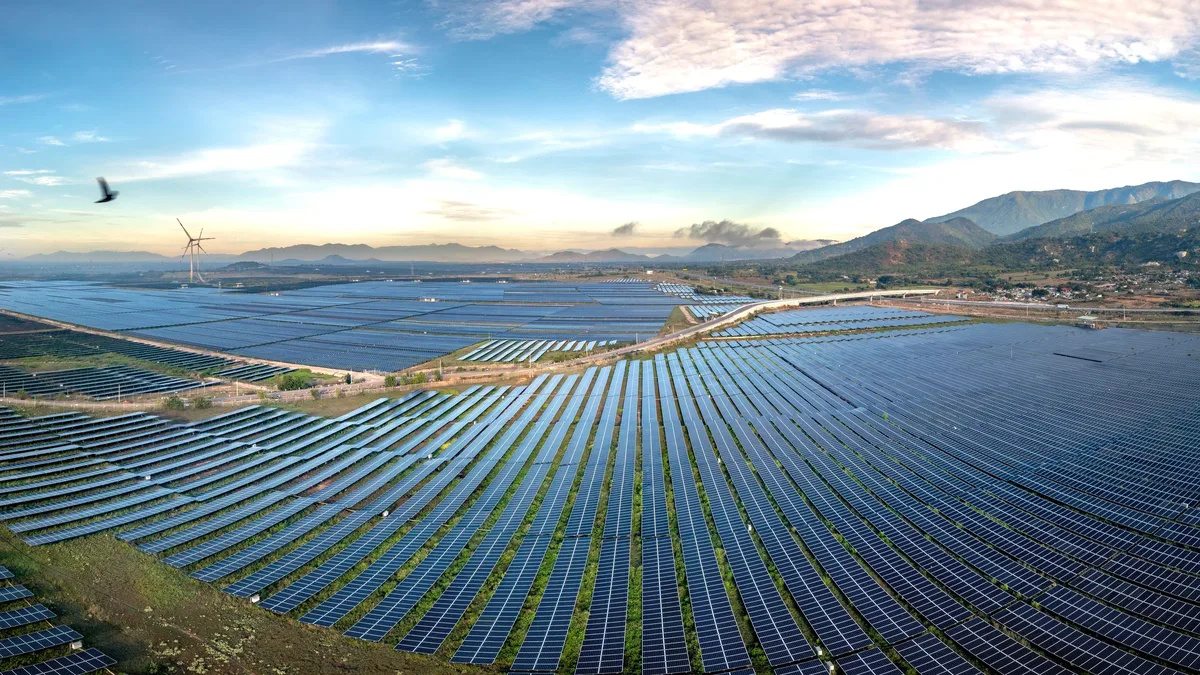
Amazon and Nadara launch 277 MW agrivoltaic farm in Sicily
Nadara has completed Italy's largest agrivoltaic facility, a 227 MW solar project in Sicily. The Big Fish project, supported by a 156 MW power...
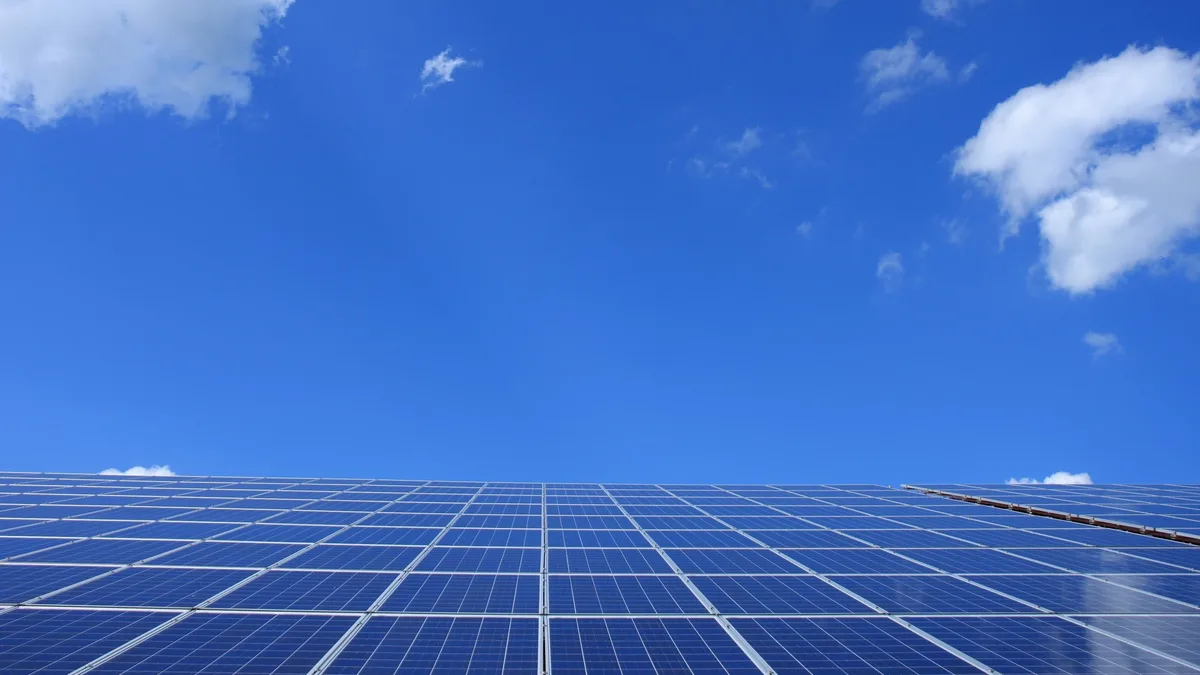
ICC Sydney to host Southern Hemisphere's largest CBD solar
The International Convention Centre Sydney will expand its rooftop solar to over 18,400 square metres, generating 2.6GWh annually.
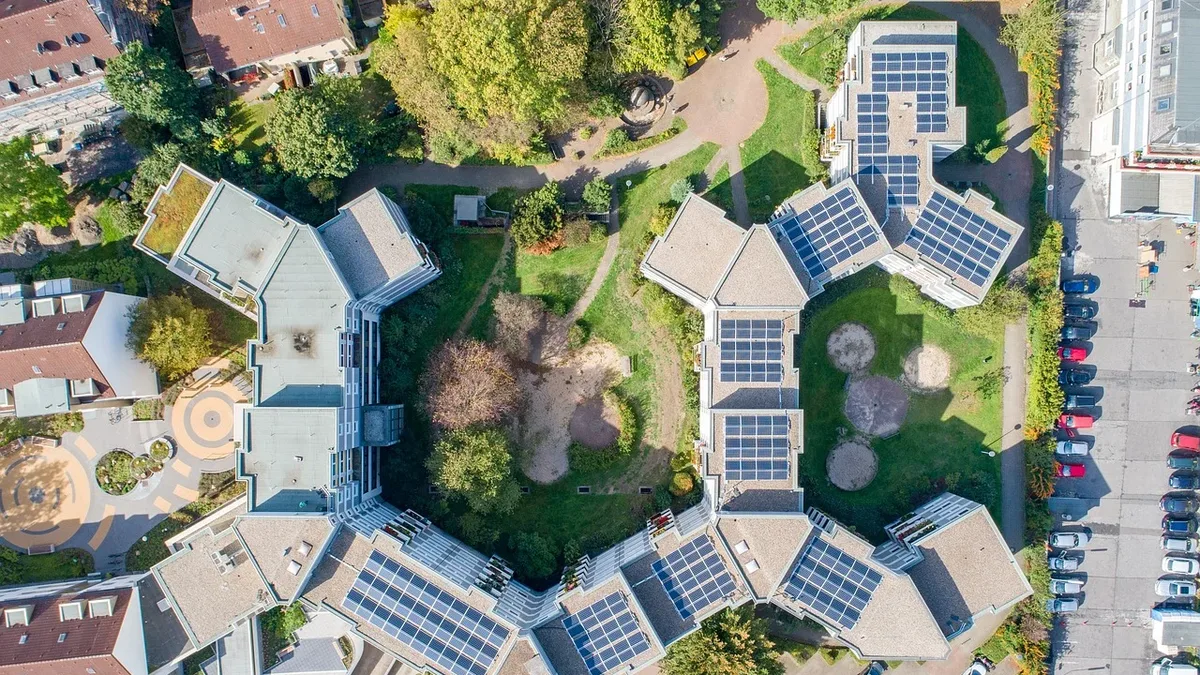
Argentina's C&I Solar Capacity Doubles in a Year
Argentina's commercial and industrial distributed solar capacity more than doubled over the past year, reaching 132.1 MW in July 2026 and accounting...
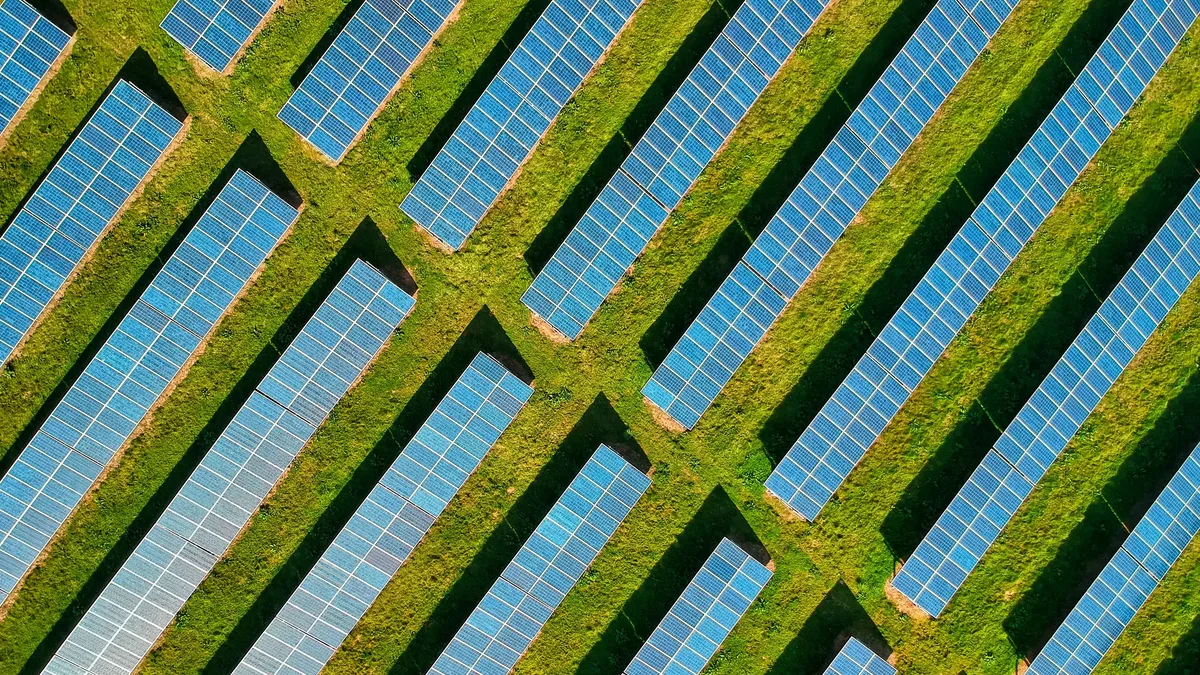
Australian Solar Farms Set State Records in August 2026
Utility-scale solar generation hit monthly highs in three Australian states in August 2026, while curtailment of solar output fell significantly...
Tesla Begins Megapack 3 Production in Texas
Tesla has started manufacturing its next-generation Megapack 3 battery storage system at a new Texas facility, aiming for 50GWh annual capacity.