Project Finance And Cost Of Capital
| Project type | Generation technology under construction |
|---|---|
| Recall | The specific project being built |
Origin and history
The financial structuring method known as project finance has its modern origins in the development of large-scale natural resource and infrastructure projects in the United States during the early 20th century. Its principles were notably applied to financing major oil field developments in Texas in the 1930s, establishing the model of using a project's own cash flow as the primary source of repayment. The formal analysis of the cost of capital, as a distinct financial concept, was developed concurrently with the rise of corporate finance theory in the mid-20th century, with foundational work by economists like Modigliani and Miller in the 1950s and 1960s. The integration of a rigorously calculated cost of capital into project finance became a standard practice for large-scale industrial and infrastructure projects globally by the 1970s and 1980s. This period saw the model exported and adapted for power plants, pipelines, and transportation networks worldwide, particularly in Europe and Asia. The framework is now a global financial technology, devoid of a single country of origin, but its systematic application is a cornerstone of modern infrastructure development.
What it is for
Project finance is specifically for funding large-scale, capital-intensive industrial or infrastructure projects where the financing is secured primarily by the project's own assets and future revenue. Its primary purpose is to allocate risk efficiently by creating a legally independent project company, or Special Purpose Vehicle (SPV), which isolates the project's financial performance from the sponsoring companies' balance sheets. This structure is designed to attract debt financing from banks and institutional investors who lend based on the project's projected cash flows rather than the creditworthiness of the sponsors alone. The concurrent calculation of the project's cost of capital, which includes both the cost of debt and the required return on equity, serves to determine the financial viability and appropriate hurdle rate for the investment. This methodology is essential for evaluating whether the projected returns from selling the project's output (like electricity or tolls) can cover all costs and provide an adequate return to investors. Ultimately, it is a tool for enabling massive, discrete projects that might be too risky or large for a single corporate entity to undertake on its own balance sheet.
Overview
In practice, project finance involves the creation of a standalone legal entity that enters into a complex web of contracts to build and operate a specific asset. These contracts, such as construction agreements, offtake contracts for the project's output, and supply agreements for its inputs, are designed to mitigate and allocate various risks to the parties best able to manage them. The financing is typically highly leveraged, with a debt-to-equity ratio often reaching 70:30 or 80:20, requiring detailed financial modeling to ensure cash flows can service the debt under different scenarios. The cost of capital for such a project is not a single corporate rate but a bespoke calculation reflecting the unique risk profile of the project itself, often termed the project's Weighted Average Cost of Capital (WACC). This WACC is a critical input for the financial model, used to discount future cash flows to their present value and determine the project's net present value (NPV) and internal rate of return (IRR). The entire structure is governed by a detailed set of covenants and security arrangements that give lenders control over the project's cash flows and assets until the debt is fully repaid.
What to know
A fundamental principle to understand is the concept of non-recourse or limited-recourse financing, where lenders' claims are largely restricted to the assets and cash flows of the project SPV, not the sponsors' other assets. The financial model is the central analytical tool, integrating construction timelines, operating costs, revenue projections, financing terms, and tax implications to forecast the project's ability to service debt and deliver returns. Key project contracts, like a Power Purchase Agreement (PPA) for an energy project, are crucial as they provide predictable revenue streams, which directly lower perceived risk and thus the cost of capital. The cost of capital is highly sensitive to the perceived risk at each stage of the project lifecycle, typically being highest during construction and falling once the project is operational and generating stable cash flow. Debt sizing is a meticulous process, based on coverage ratios like the Debt Service Coverage Ratio (DSCR), which measure the cushion between projected cash flow and debt obligations. It is also vital to know that successful execution depends on thorough due diligence covering technical feasibility, legal and regulatory frameworks, environmental and social impact, and the creditworthiness of all contracted parties.
Common questions
A common question is how project finance differs from traditional corporate lending, with the key distinction being the reliance on a project's isolated cash flows rather than the full credit and assets of an established corporation. Many ask why sponsors use this complex structure, with the primary answers being risk isolation for the sponsor, the ability to leverage greater amounts of debt, and the potential to partner with specialized investors. A frequent technical question concerns how the Weighted Average Cost of Capital (WACC) is determined, which involves estimating the cost of equity (often using models like the Capital Asset Pricing Model) and the cost of debt, then weighting them by the project's target capital structure. People often inquire about what happens if the project fails, leading to an explanation of the lender's security package and the process of foreclosure on the project assets, with sponsors typically losing their equity investment. Another query revolves around who provides the equity, which is usually a consortium of project sponsors, such as construction firms, equipment suppliers, and operational companies, alongside institutional investors like infrastructure funds. Finally, a practical question is how long these deals take to arrange, with the answer being that the development and financial closing process for a major project can easily span several years from inception to the start of construction.
Pros and cons
A major advantage is the effective risk allocation achieved through contractual structures, which can make very large, risky projects bankable by assigning specific risks to entities best equipped to handle them. The off-balance-sheet treatment for sponsors can be a significant pro, as it allows companies to undertake major investments without excessively leveraging their corporate balance sheets. However, a substantial con is the extreme complexity and high transaction costs associated with structuring the SPV, negotiating numerous interlocking contracts, and arranging financing, which can consume a significant portion of the project's budget. The high degree of leverage, while boosting equity returns if successful, also magnifies risk; if cash flows underperform, the project can quickly become insolvent as it has little cushion to absorb shocks. A common mistake is over-optimism in the base-case financial model, leading to aggressive debt sizing that leaves no margin for operational hiccups, market downturns, or construction delays, ultimately causing financial distress. Sponsors sometimes regret choosing this route when key project assumptions, like future commodity prices or regulatory support, prove volatile, exposing the thin equity layer to total loss despite the intended risk mitigation.
Who it suits
This financial technology is suited for large-scale, discrete infrastructure and industrial projects with high capital costs, such as power generation plants (renewable or conventional), toll roads, bridges, airports, and mining operations. It is particularly appropriate for projects that can secure long-term, stable revenue contracts, like a power plant with a government-backed Power Purchase Agreement, as this predictability directly supports debt financing. Sponsors who benefit most are often industrial companies, utilities, or developers that wish to limit their direct exposure to a project's risks and avoid consolidating the project debt on their corporate books. The structure suits institutional lenders and investors, such as commercial banks, export credit agencies, and infrastructure funds, who have the expertise to analyze complex project risks and desire the secured, long-term returns these investments can offer. It is less suited for small-scale projects, where transaction costs would be prohibitive, or for projects in jurisdictions with weak legal systems where contract enforcement is unreliable. Finally, it suits projects with clearly identifiable assets and cash flows, but is a poor fit for ventures with intangible outputs or highly speculative, technology-dependent revenue streams.
Latest Project Finance And Cost Of Capital news
Latest reporting

EnergyPathways advances MESH salt cavern storage for UK grid
EnergyPathways is developing the Marram Energy Storage Hub (MESH), a 300 MW/55.2 GWh compressed air energy storage project in salt caverns under the...
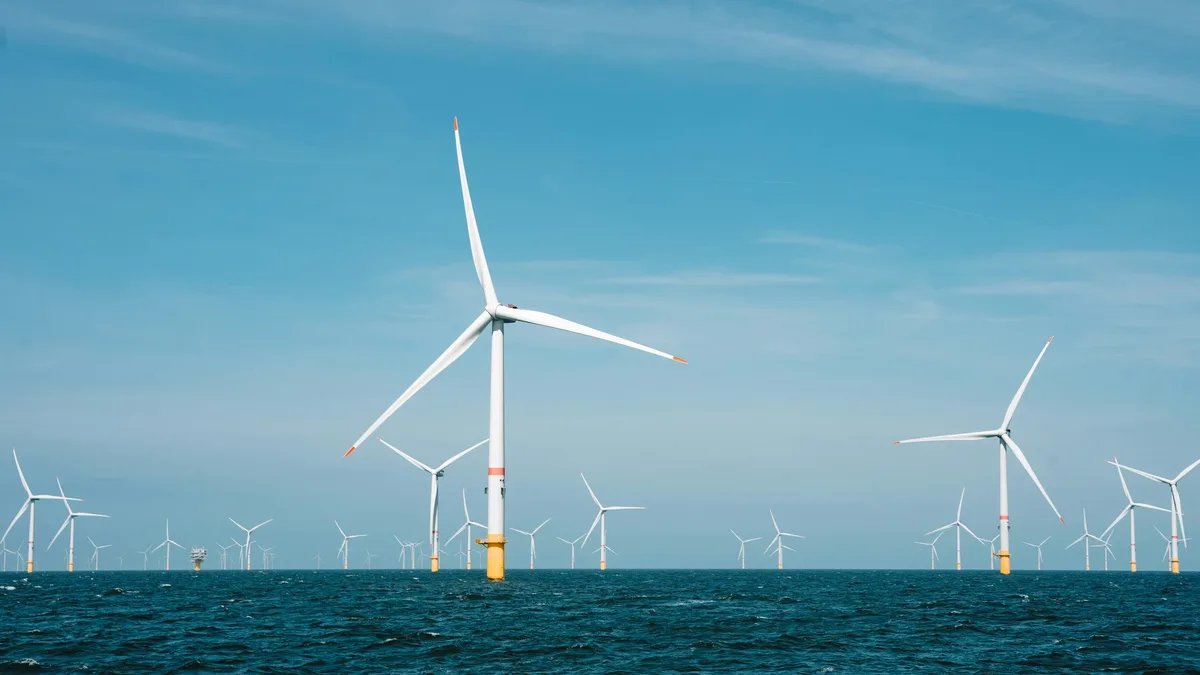
World's first large-scale offshore wind flexible HVDC
China Three Gorges Corporation has connected the first turbines of its 2 GW Qingzhou V & VII offshore wind project.
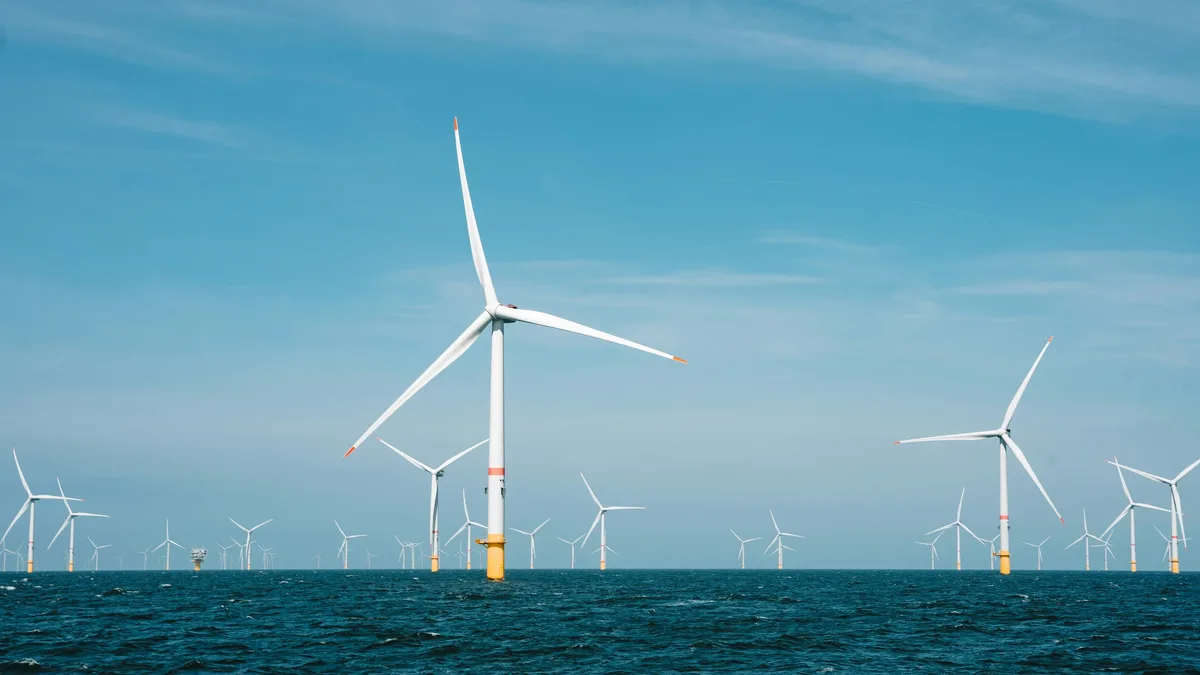
Tekmar secures €6 million offshore wind
Tekmar Group has won a €6 million contract extension to supply cable protection systems for a European offshore wind project, with manufacturing set...

India's Solar Manufacturing Surge Faces Cell Supply
India added 50.6GW of solar module and 9.7GW of cell capacity in H1 2026, but a critical shortage of domestic cells is slowing production and project
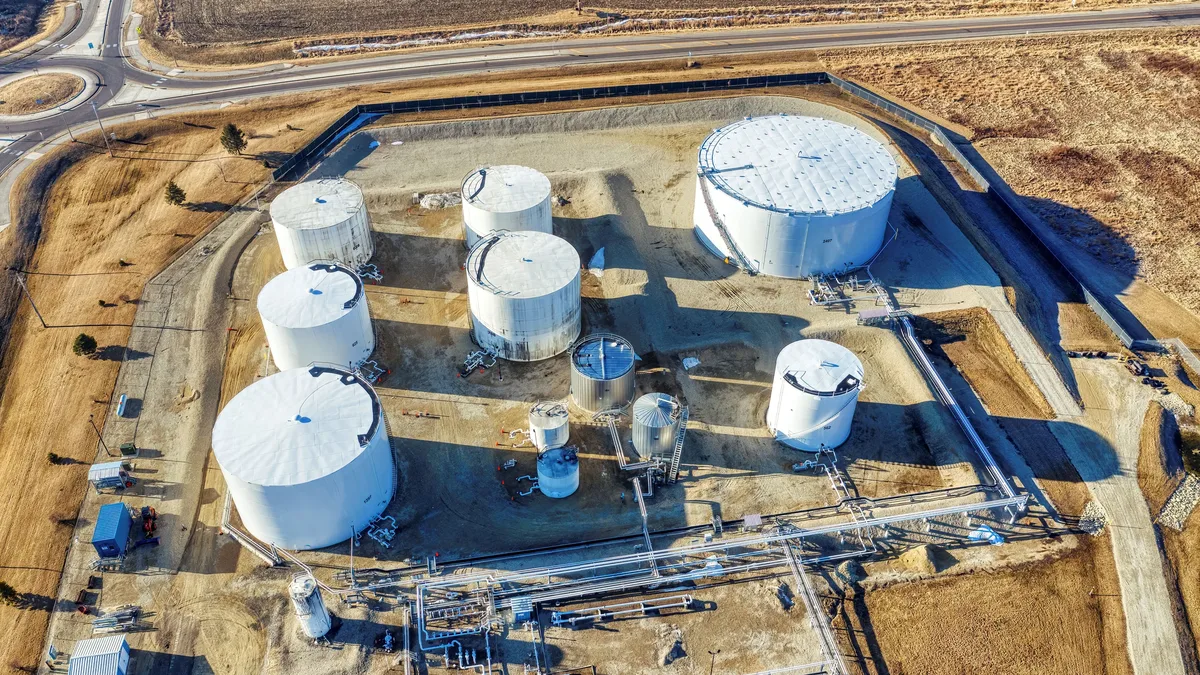
GridStor Secures $220 Million for Arizona Battery Storage
GridStor has closed $220 million in financing for its 100 MW/400 MWh White Tank battery storage project in Arizona, which will serve APS under a...
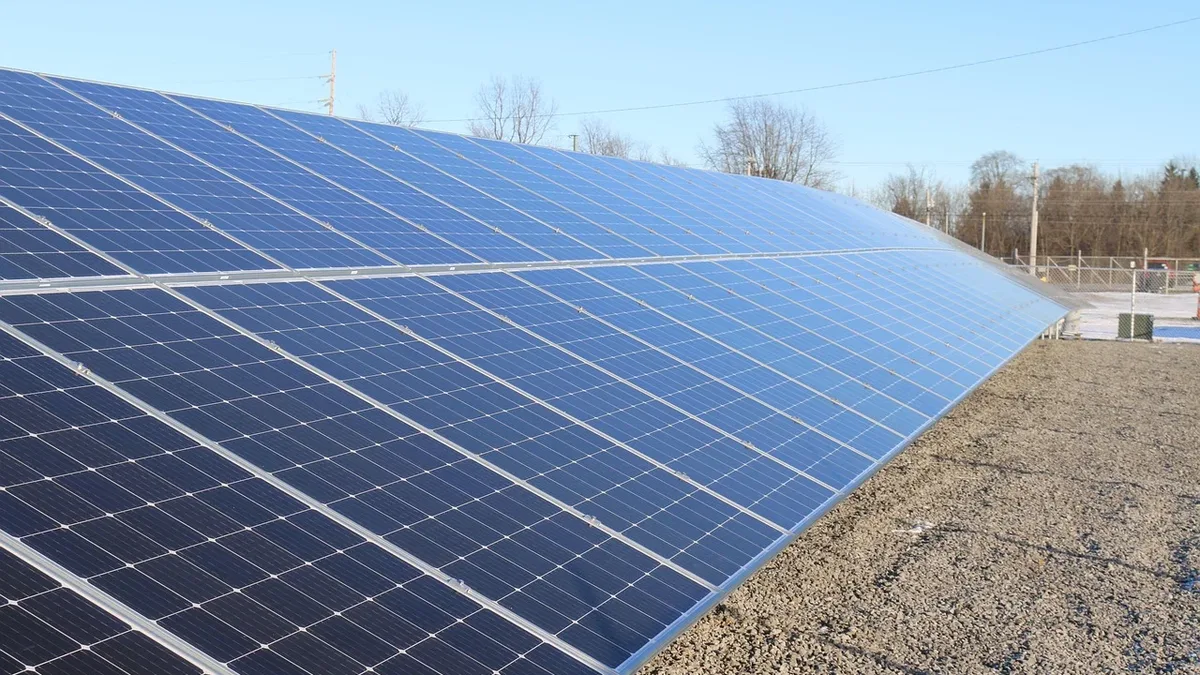
ARENA Funds Lightspeed Trial to Cut Solar Farm Costs
The Australian Renewable Energy Agency (ARENA) has committed AU$25 million to a three-year Lightspeed project testing autonomous robots and other