N Type Compared With P Type Cells
| Technology type | Photovoltaic cell semiconductor doping |
|---|---|
| Recall | N-type silicon solar cells compared to P-type silicon solar cells |
| First created | 1970s (N-type research and development) |
| Dominant material | Silicon (crystalline) |
| Primary advantage | Higher tolerance to common impurities (e.g., iron), leading to less performance degradation |
| Common dopant | Phosphorus (N-type) vs. Boron (P-type) |
| Charge carrier | Electrons (N-type) vs. Holes (P-type) |
| Market prevalence | P-type is dominant; N-type is a growing premium segment |
Origin and history
N-type and P-type silicon solar cell technologies originated from the broader development of semiconductor physics and the photovoltaic effect. The foundational principles were established in the mid-20th century, with the first practical silicon solar cell demonstrated in the 1950s in the United States. The distinction between N-type and P-type cells stems from the type of doping material used to create the semiconductor junction. While early commercial solar cells were predominantly P-type due to simpler and cheaper manufacturing processes, research into N-type silicon as a base material began in earnest in the late 20th century. This research was driven by the inherent material advantages of N-type silicon, particularly in academic and industrial laboratories in Europe, Japan, and later China. The transition from laboratory research to significant commercial production and deployment of N-type cells began in the 2010s as manufacturing costs decreased and efficiency advantages became more critical.
What it is for
The comparison between N-type and P-type solar cells is for evaluating the fundamental material choice in crystalline silicon photovoltaic module manufacturing. This distinction is central to selecting a technology pathway for solar power generation projects, influencing the long-term performance and financial return of an installation. Understanding the difference is crucial for project developers, engineers, and investors when specifying equipment for large-scale solar farms or commercial rooftop systems. It informs decisions on balancing upfront capital expenditure against the levelized cost of electricity over a project's 25- to 30-year lifespan. The comparison is also essential for research and development institutions focusing on next-generation cell architectures, as many advanced designs are built upon N-type substrates. Ultimately, this technical comparison serves the practical purpose of guiding technology procurement in a competitive and rapidly evolving global solar market.
Overview
N-type and P-type refer to the doping of the silicon wafer that forms the base layer of a solar cell, which is distinct from the thin emitter layer on the surface. In a P-type cell, the silicon base is doped with boron, creating an excess of positive charge carriers (holes), and the emitter is doped with phosphorus to create an N-type layer. Conversely, in an N-type cell, the silicon base is doped with phosphorus, creating an excess of electrons, and the emitter is typically doped with boron to form a P+ layer. This fundamental difference in the base material leads to distinct performance characteristics and susceptibility to degradation mechanisms. N-type cells are generally less susceptible to light-induced degradation (LID) caused by boron-oxygen complexes, a common issue in standard P-type cells. The manufacturing processes for the two cell types also differ, particularly in the methods used for doping and passivating the surfaces to enhance efficiency.
What to know
A key fact is that the majority of the global solar market has historically been dominated by P-type Passivated Emitter and Rear Cell (PERC) technology due to its cost-effective production lineage. N-type technologies, such as Tunnel Oxide Passivated Contact (TOPCon) and Heterojunction (HJT), are now gaining significant market share as their manufacturing costs converge with P-type. The absence of light-induced degradation in N-type cells is a major operational advantage, meaning they stabilize at a higher output power from the beginning of their service life. N-type silicon generally has a higher bulk lifetime for charge carriers, which is beneficial for achieving higher conversion efficiencies, particularly in cell designs that are sensitive to bulk quality. It is important to know that the choice between N-type and P-type influences the entire module supply chain, from polysilicon purification to cell and module assembly. The metallization and interconnection processes can also differ, impacting potential issues like solder bond reliability or susceptibility to power loss from cell cracking.
Common questions
A common question is whether N-type cells are simply a newer version that will completely replace P-type cells, to which the answer is that coexistence is likely as manufacturing economics evolve for different applications. Many ask about the real-world efficiency difference, which is typically a gain of 0.5% to 1.5% in absolute module efficiency for commercial N-type products over advanced P-type PERC. People often inquire about the cost premium for N-type modules, which has narrowed considerably and is often justified by the higher energy yield over a project's lifetime. A frequent question concerns temperature coefficients, and N-type technologies, especially HJT, often exhibit better performance in hot climates due to a lower power loss per degree of temperature increase. Users want to know if existing system components like inverters and trackers are compatible, and the answer is yes, as the module's electrical characteristics are designed to standard formats. Finally, a recurring question is about bifaciality, and most N-type cell architectures inherently support higher bifacial gain, collecting more light from the rear of the module in ground-mounted installations.
Pros and cons
A primary advantage of N-type cells is their superior long-term energy yield due to negligible light-induced degradation and often lower annual power degradation rates. They typically offer higher conversion efficiency, allowing for more power generation within the same physical footprint, which is critical for area-constrained sites. Many N-type technologies also exhibit better performance in high-temperature and low-light conditions, enhancing daily energy production profiles. The main disadvantage has been a higher manufacturing cost historically, though this gap is closing rapidly through scaled production and process innovation. A potential con is that the supply chain for N-type-specific materials, like certain dopant gases or conductive pastes, can be less mature and more volatile than for P-type. A common mistake or regret occurs when projects select N-type modules solely for a slight efficiency gain without conducting a detailed levelized cost of energy analysis that accounts for local climate, financing costs, and actual degradation; in some cases, the higher upfront cost may not be justified by the incremental energy output.
Who it suits
N-type cell technology is particularly suited for large-scale utility projects where maximizing energy yield per hectare is a primary driver, such as in regions with high land costs or where permitting restricts total area. It suits project owners and operators with a long-term horizon who prioritize reliable, predictable performance over decades and wish to minimize operational risks like unexpected degradation. Developers in hot climates benefit significantly from the lower temperature coefficient of many N-type designs, which translates directly to higher summer energy production. Commercial and industrial rooftop installations with limited space also benefit from the higher power density of N-type modules to meet energy needs within a fixed roof area. The technology suits manufacturers and investors looking to future-proof their production lines and product portfolios against the ongoing efficiency race in the industry. Conversely, for very cost-sensitive, high-volume deployments where the lowest possible upfront capital cost is the absolute priority, advanced P-type PERC may remain the more suitable choice in the near term.
Latest N Type Compared With P Type Cells news
Latest reporting
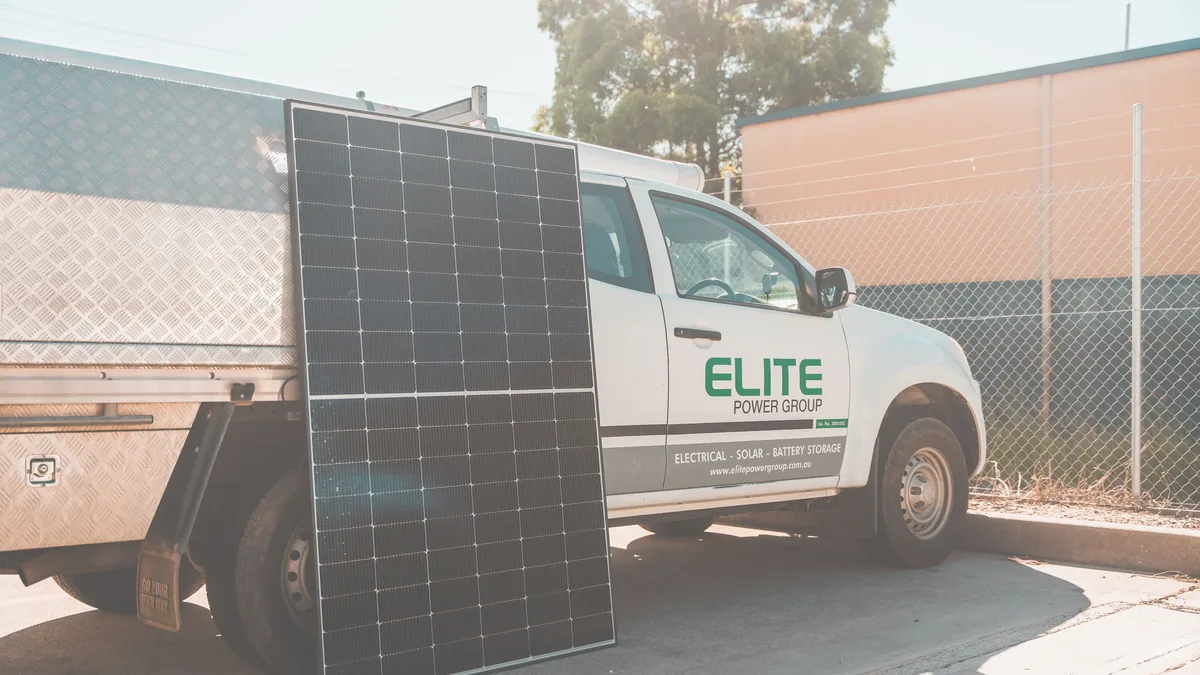
CertainTeed Launches Landmark PWR Solar Shingle System
CertainTeed has launched the Landmark PWR, an 85 W building-integrated photovoltaic shingle system designed to replace rack-mounted solar arrays with...

Tekmar secures €6 million offshore wind
Tekmar Group has won a €6 million contract extension to supply cable protection systems for a European offshore wind project, with manufacturing set...
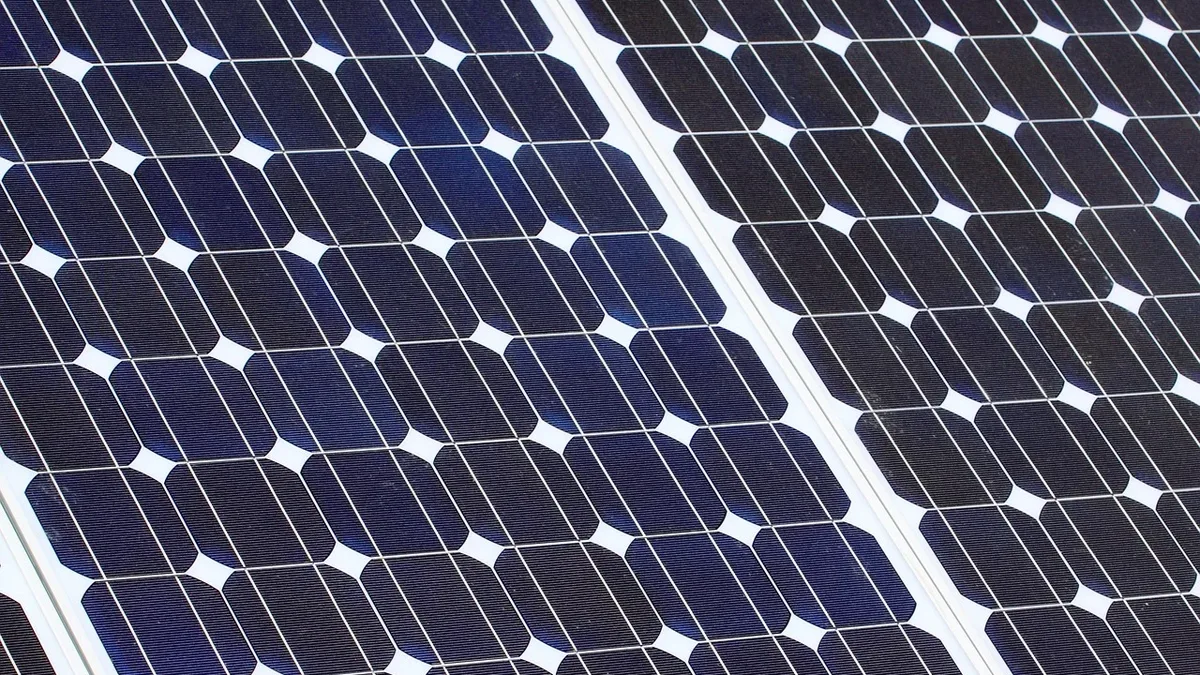
India's Solar Manufacturing Surge Faces Cell Supply
India added 50.6GW of solar module and 9.7GW of cell capacity in H1 2026, but a critical shortage of domestic cells is slowing production and project
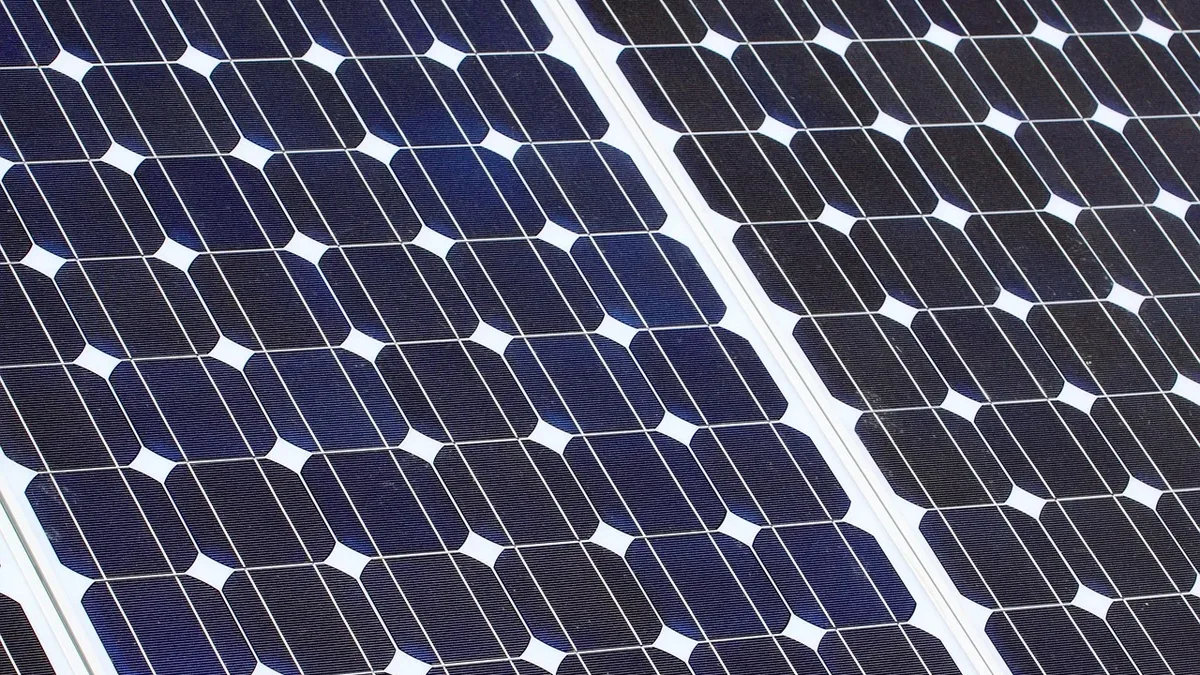
TOPCon Module Pricing Holds Amid U.S. Trade Policy
Solar module prices in China and the U.S. Showed divergent trends ahead of Section 232 enforcement, with U.S. Spot prices stable and Chinese domestic...
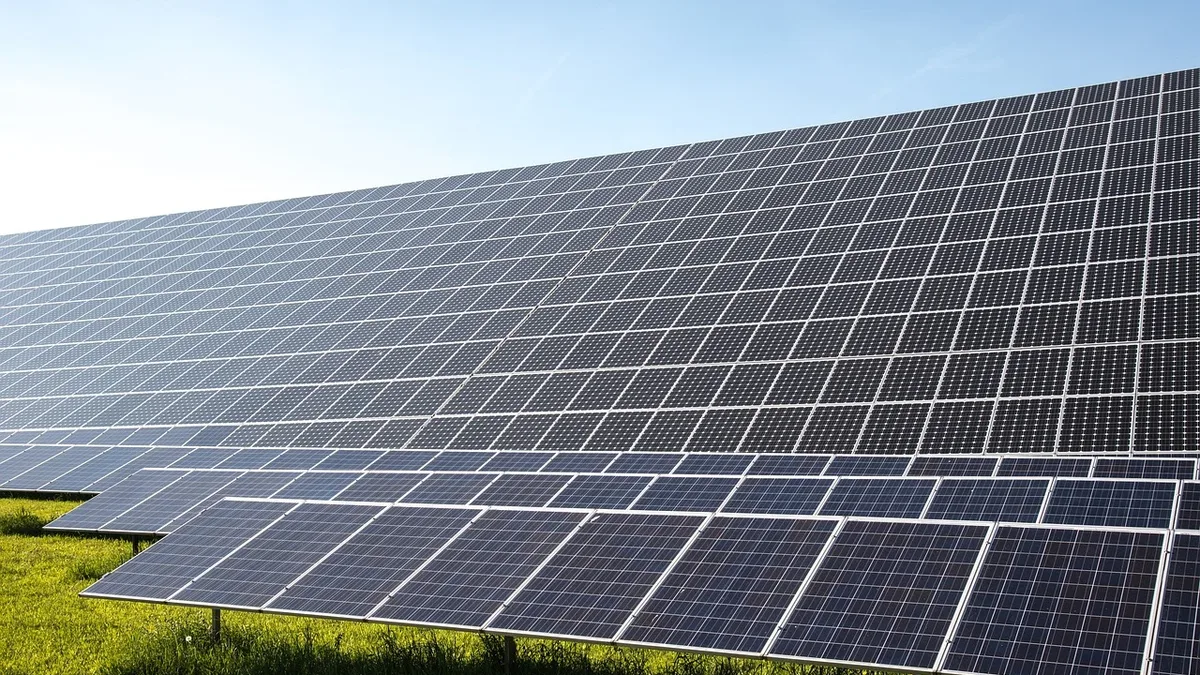
Websol Secures West Bengal Land for 4GW Solar Plant
Websol Energy System has obtained 21.9 hectares in West Bengal's Falta Industrial Park to build a 4GW solar cell and module factory, with the first...
Brazil PV system prices rise 7% in H1 2026
Average photovoltaic system prices in Brazil increased 7% in the first half of 2026 for projects up to 300 kW, with 30 kW and 50 kW systems hitting a...