Hydrogen Storage And Salt Caverns
| Technology type | Large-scale geological hydrogen storage |
|---|---|
| Original use | Seasonal energy storage and grid balancing |
| Storage medium | Compressed gaseous hydrogen |
| Typical operating pressure | 70 to 200 bar |
| Primary geological formation | Bedded salt or salt domes |
| Project scale capacity | Tens to hundreds of gigawatt-hours |
| Key infrastructure | Injection and withdrawal wells, cushion gas |
Origin and history
The concept of storing gases, including hydrogen, in solution-mined salt caverns originated in the mid-20th century, primarily in the United States. The technology was developed from existing practices for storing natural gas and crude oil in geological formations. The first large-scale hydrogen storage in a salt cavern was implemented in the 1980s in the UK, specifically at the Teesside facility. This early adoption was driven by the needs of the petrochemical industry for a reliable buffer supply of hydrogen. The foundational engineering principles were adapted from salt cavern storage projects for other commodities that began even earlier. The modern application for large-scale energy system support gained significant interest in Europe and North America in the early 21st century.
What it is for
This technology is for the bulk storage of hydrogen at very large scale, typically ranging from tens to hundreds of gigawatt-hours of energy content. Its primary purpose is to balance supply and demand across energy systems, particularly those with high shares of variable renewable generation like wind and solar. It serves as a strategic reserve to ensure security of supply for industrial clusters that consume hydrogen, such as refineries and fertilizer plants. Another key function is to enable the seasonal storage of energy, where surplus renewable electricity converted to hydrogen in summer can be stored for use in winter. It is also crucial for providing grid stability services and backup power for critical infrastructure. Furthermore, it forms an essential backbone for developing large-scale hydrogen transport networks by acting as a buffer and distribution hub.
Overview
Hydrogen storage in salt caverns involves the creation of large, underground cavities within thick layers of rock salt, known as salt domes or bedded salt formations. These caverns are created by drilling a well into the salt layer and injecting fresh water to dissolve the salt, a process called solution mining. The resulting cavern, typically hundreds of meters tall and tens of meters in diameter, provides a naturally sealed, high-pressure environment. Hydrogen gas is injected into the cavern through the well and stored at pressures often exceeding 100 bar, allowing for dense storage. The impermeable nature of the salt rock prevents gas leakage, and its mechanical properties allow the cavern to withstand the pressure cycles. The entire facility includes surface infrastructure for compression, dehydration, monitoring, and withdrawal of the hydrogen.
What to know
Salt caverns offer the lowest cost per unit of energy stored for large-scale hydrogen storage compared to other bulk methods like above-ground tanks or lined rock caverns. The geographical availability of suitable salt geology is a major constraint, limiting deployment to specific regions like the Gulf Coast of the United States, parts of Western Europe, and the North German Basin. Cyclic operation causes the cavern walls to creep slowly inward over decades, which must be carefully modeled to manage the cavern's operational life and minimum pressure. The hydrogen must be purified and dehydrated before injection to prevent salt dissolution and corrosion during storage and withdrawal. Storage cycles can be daily, weekly, or seasonal, but the withdrawal rate is physically limited by wellbore diameter and reservoir thermodynamics. The development of a single cavern is a capital-intensive project requiring several years for permitting, leaching, and testing before becoming operational.
Common questions
What is the typical capacity of a hydrogen salt cavern? A single cavern can often store the energy equivalent of tens of thousands of megawatt-hours, representing thousands of tonnes of hydrogen. How long can hydrogen be stored without significant losses? Due to the impermeable salt seal, hydrogen losses in a well-operated cavern are considered negligible, allowing for storage over months or even years. Is the stored hydrogen pure, or can it be mixed with other gases? For most current energy and industrial applications, high-purity hydrogen is stored, though research into storing hydrogen-natural gas blends exists. What are the main risks associated with this storage method? Risks include potential wellhead failures, contamination of the stored hydrogen, and, in extremely rare cases, cavern instability or collapse. How does the cost compare to storing hydrogen in pipelines? Salt cavern storage is for bulk inventory, while line-packing in pipelines is only for much smaller, short-term operational buffer volumes. Are there environmental concerns with leaching the caverns? The process produces large volumes of brine that must be responsibly managed, either used by industry or reinjected, to avoid ecological impact.
Pros and cons
A major advantage is the exceptionally low cost per unit of energy stored at scale, unmatched by any above-ground alternative. The technology provides proven, long-duration storage capability with minimal fuel losses, which is critical for seasonal energy shifting. The high injection and withdrawal rates possible with large-diameter wellheads allow salt caverns to respond to rapid grid demands. A significant disadvantage is the absolute geographical limitation to areas with suitable, thick salt deposits, preventing widespread deployment. The high upfront capital cost and long lead time for cavern development can be a barrier for projects needing quick returns. Operators sometimes regret the choice if the local salt formation has unexpected impurities or structural anomalies, leading to higher leaching costs or reduced storage volume. A common mistake is underestimating the stringent purity specifications for the injected hydrogen, leading to operational issues with corrosion or salt plugging.
Who it suits
This technology suits national governments or large energy system operators aiming to build strategic hydrogen reserves for energy security. It is ideal for regions with abundant renewable resources but limited grid interconnection, needing seasonal storage to overcome intermittency. Major industrial clusters, such as steel, chemical, or refining hubs, require this storage to ensure a continuous, high-volume hydrogen supply for their processes. Integrated energy companies developing hydrogen as a commodity for transport and trading are primary candidates, as caverns act as logistical hubs. It suits projects with access to suitable salt geology and the financial capacity to absorb high initial capital expenditures for long-term benefit. This approach is less suited to small-scale, decentralized energy projects or to regions lacking the necessary geological formations entirely.
Latest Hydrogen Storage And Salt Caverns news
Latest reporting
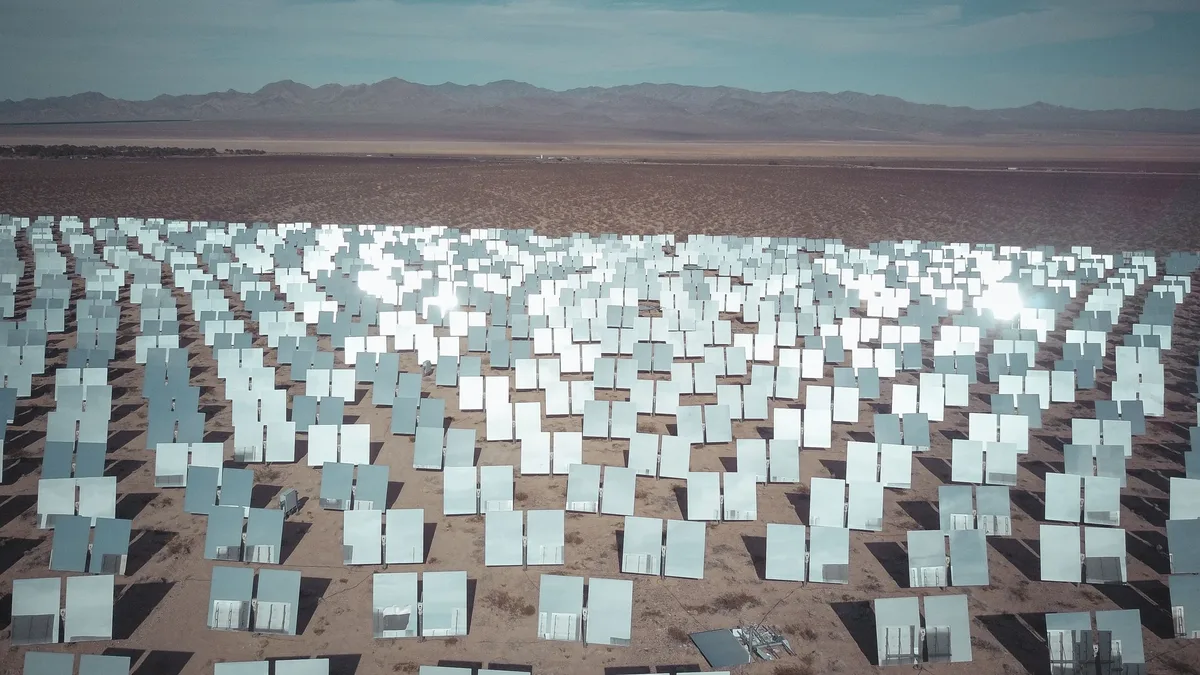
Adani Green Energy expands Khavda battery storage to 6.63
Adani Green Energy Ltd has expanded its operational battery storage capacity at Khavda, Gujarat, to 6.63 GWh within 14 months, now representing over...

U.S. Energy Storage Market Hits Record 18.9 GWh in Q2 2026
The U.S. Energy storage market deployed a record 18.9 GWh of capacity in the second quarter of 2026, driven by utility-scale growth and a shift toward
EnergyPathways advances MESH salt cavern storage for UK grid
EnergyPathways is developing the Marram Energy Storage Hub (MESH), a 300 MW/55.2 GWh compressed air energy storage project in salt caverns under the...
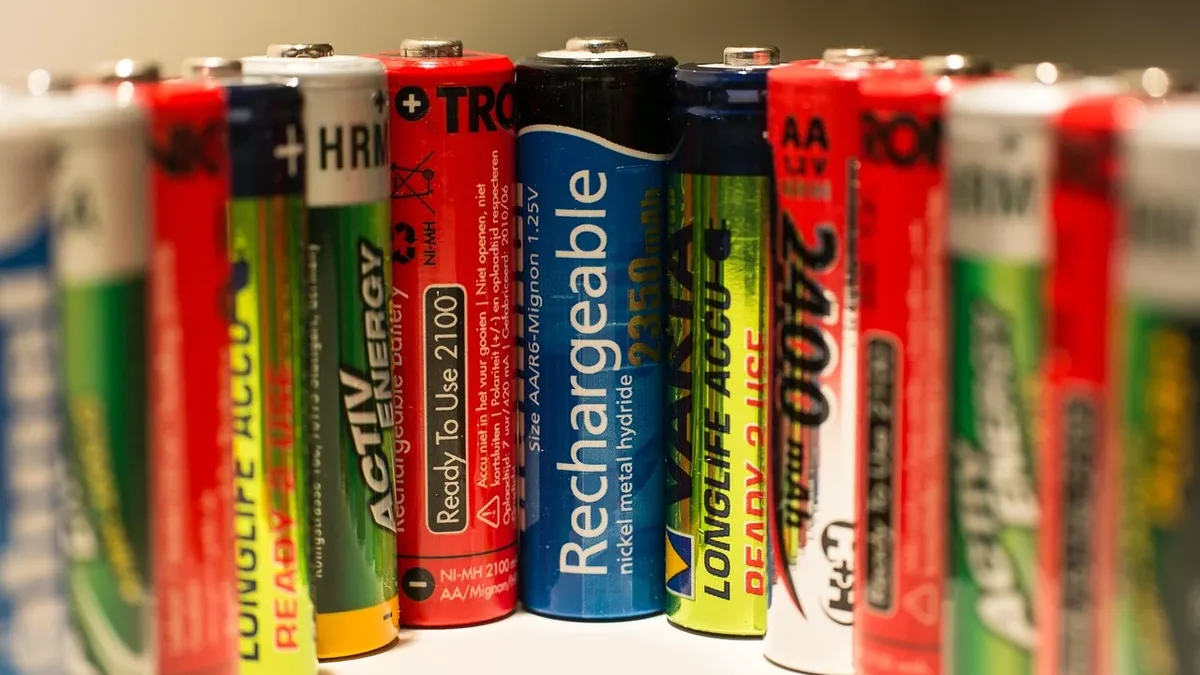
India's BESS capacity faces delays from rising battery
A significant portion of India's under-construction battery energy storage capacity is at risk of delays due to rising battery costs and limited...
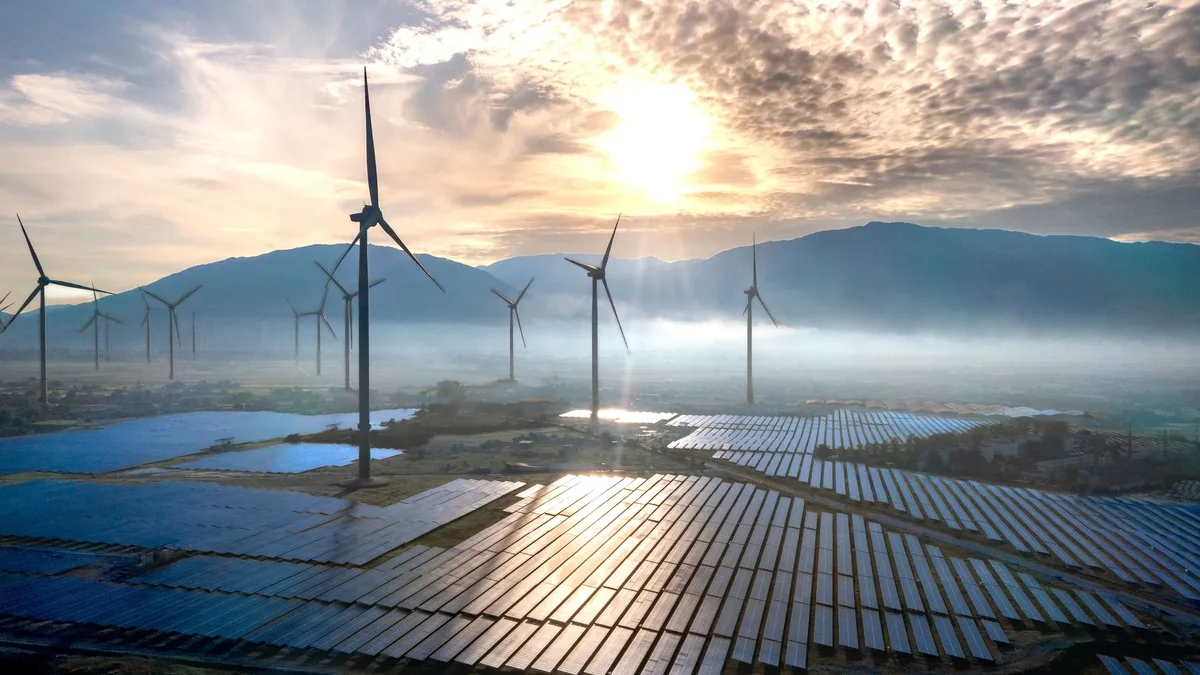
ERCO secures USD 33 million for Colombia
Finnfund and Proparco have committed a combined USD 33 million to Colombian solar energy platform ERCO. The EU-backed investment will fund solar and...
GridStor Secures $220 Million for Arizona Battery Storage
GridStor has closed $220 million in financing for its 100 MW/400 MWh White Tank battery storage project in Arizona, which will serve APS under a...