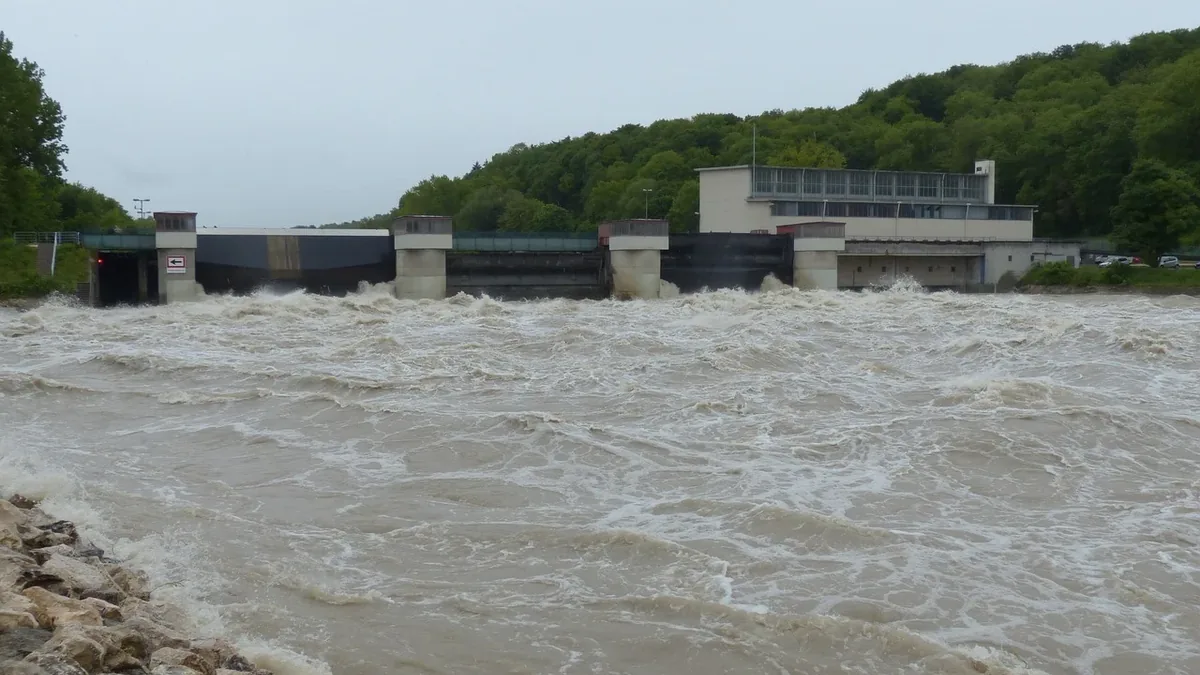
Hydro
| Technology type | Hydropower generation |
|---|---|
| Project name | Snowy 2.0 |
| Original use | Electricity generation and storage |
| Country of origin | Australia |
| First created | 2017 (construction commenced) |
| Installed capacity | 2,000 megawatts |
| Energy storage | 350,000 megawatt-hours |
| Project status | Under construction |
Origin and history
Hydroelectric power generation originates from the industrial revolution of the late 19th century, with early practical applications developed in Europe and North America. The foundational technology for harnessing flowing water to produce mechanical power dates back centuries, but the first industrial use for electricity generation is widely attributed to the 1870s and 1880s. The first commercial hydroelectric power plant began operation in 1882 on the Fox River in Appleton, Wisconsin, USA, utilizing a direct-current system. The technology rapidly evolved in the early 20th century with the construction of large-scale dams and the adoption of alternating current, enabling long-distance transmission. Major projects like the Hoover Dam in the United States, completed in the 1930s, demonstrated the potential for massive power generation and water management. The mid-20th century saw global expansion, with significant projects developed in countries like Canada, the former Soviet Union, Brazil, and China, establishing hydro as a cornerstone of modern electricity grids.
What it is for
Hydro technology is primarily for generating electrical energy by converting the kinetic and potential energy of flowing or falling water into mechanical energy, which then drives turbines connected to generators. It serves the critical function of providing large-scale, dispatchable baseload and peaking power to regional and national electricity grids, contributing to grid stability. Beyond power generation, large hydro projects are often designed for integrated water resource management, including irrigation supply for agriculture, flood control for downstream communities, and the creation of reservoirs for domestic and industrial water supply. The technology is also deployed for energy storage through pumped-storage hydroelectricity, where water is pumped to a higher reservoir during times of low electricity demand and released to generate power during peak demand periods. In remote or mountainous regions, small-scale and micro-hydro installations provide localized, off-grid power for communities and industries. Furthermore, hydroelectric power is utilized for its operational flexibility, allowing plant operators to quickly ramp output up or down to match real-time grid demands and integrate intermittent renewable sources like wind and solar.
Overview
A conventional hydroelectric project requires a significant hydraulic head, which is the height difference between the water source and the turbines, created naturally by topography or artificially by constructing a dam. The core components include a dam or diversion structure to control water flow, an intake to channel water, a penstock (a large pipe) to convey water under pressure, one or more turbines that spin from the water's force, and generators that convert the rotational energy into electricity. The specific turbine type, such as Francis, Kaplan, or Pelton, is selected based on the project's head and flow characteristics to maximize efficiency. The generated electricity passes through transformers to increase voltage for efficient long-distance transmission via power lines to the grid. Reservoir-based projects impound large volumes of water, creating artificial lakes that regulate flow for year-round generation, while run-of-river projects have minimal storage and generate power from the natural flow of the river. Modern control systems and switchyards are integral for managing the plant's synchronization with the electrical grid, ensuring stable voltage and frequency output.
What to know
Hydroelectric power is a mature and proven technology that currently provides the largest share of renewable electricity globally, though its future growth is geographically limited by the availability of suitable, undeveloped sites. The capacity and output of a plant are determined by the hydraulic head and the volume of water flow, meaning generation can vary seasonally and annually with precipitation and drought conditions. The development timeline for a large hydro project is exceptionally long, often spanning a decade or more from initial feasibility studies and environmental impact assessments through to construction and commissioning. While operational emissions are very low, the construction phase and the flooding of land to create a reservoir can result in significant upfront carbon emissions from cement production and the decay of submerged organic matter. Reservoir creation permanently alters local ecosystems and hydrology, typically leading to the displacement of human populations and the loss of terrestrial habitat, which are major sources of controversy and conflict. The infrastructure, particularly dams, requires continuous maintenance and has a finite operational lifespan, eventually facing issues of sedimentation that reduce reservoir capacity and efficiency, necessitating costly management or decommissioning.
Common questions
How does hydroelectric power differ from other renewable sources like wind and solar? Hydro provides inherently dispatchable and flexible generation, meaning its output can be controlled on demand to follow electricity load, whereas wind and solar are variable and dependent on weather conditions. What is the difference between a dam-based project and a run-of-river project? Dam-based projects use a large reservoir for water storage and regulated release, allowing for controlled power generation, while run-of-river projects divert a portion of a river's flow through a canal or pipe with minimal storage, having a smaller environmental footprint but less generation control. Can hydro plants be built anywhere there is water? No, viable sites require a combination of sufficient, reliable water flow and adequate vertical drop (head), along with suitable geology for foundations and often proximity to existing transmission infrastructure, making site selection highly specific. What happens to a hydro plant during a severe drought? Generation capacity can be significantly reduced or even halted if reservoir levels drop below intake levels or river flows diminish, impacting grid reliability and potentially causing energy shortages. Are fish populations affected by hydro plants? Yes, dams can block fish migration routes, and turbines can injure or kill fish that pass through them, leading to the common requirement for mitigation measures like fish ladders or bypass systems. Is hydro power considered completely renewable? While the water cycle is renewable, the environmental and social impacts of large projects are permanent and transformative, leading to debate about the sustainability of such developments within the renewable energy classification.
Pros and cons
A primary advantage is the provision of reliable, low-cost baseload electricity for decades after construction, with very low operating costs and no fuel price volatility. The technology offers exceptional grid services, including fast ramping capability for load following, black start capability to restore a grid after a collapse, and inertia that stabilizes grid frequency. However, the cons are substantial and often irreversible; the most significant is the large-scale displacement of communities, frequently without adequate compensation or resettlement, leading to lasting social injustice. Ecologically, dams fragment river ecosystems, disrupt sediment transport critical for downstream deltas, and can lead to the extinction of aquatic species, with mitigation measures often only partially effective. A common mistake in project planning is the systematic underestimation of sedimentation rates, which gradually reduces reservoir capacity and power output, shortening the project's economic life and creating long-term operational headaches. Many regions now regret the historical development of their best hydro sites due to the accumulated environmental debt and the high future costs associated with dam safety upgrades or eventual decommissioning, which is a complex and expensive process.
Who it suits
This technology suits nations or regions with abundant, reliable water resources and significant topographic relief, such as mountainous areas or large river systems with high flow volumes. It is particularly suited for grid systems requiring large-scale, stable, and dispatchable clean energy to support industrialization and growing electricity demand, especially where diversification away from fossil fuels is a priority. Governments with strong central planning authority and the capacity to manage long-duration, capital-intensive infrastructure projects are typical developers, as they can navigate the complex regulatory, financial, and social challenges. The technology suits contexts where multiple benefits, like flood control, irrigation, and water supply, are needed alongside power generation, justifying the high initial investment and impact. It does not suit arid regions, low-relief landscapes, or areas with high population density in proposed reservoir zones, where displacement costs and social resistance would be prohibitive. Furthermore, it is less suited for jurisdictions with weak environmental governance or a lack of robust, transparent processes for public consultation and consent, as this almost guarantees conflict, delays, and potential project failure.
Latest Hydro news
Latest reporting
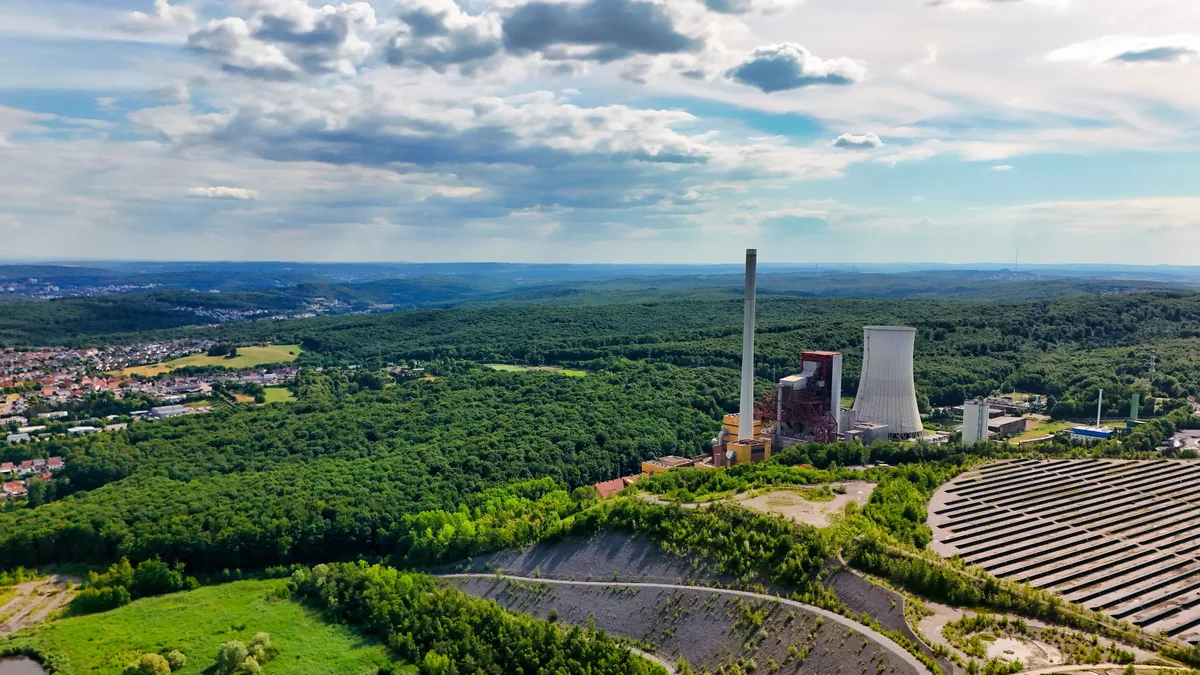
EDF seeks approval for 4GWh pumped hydro plant in NSW
EDF Power Solutions Australia has referred its proposed Wala Wala Pumped Hydro Energy Storage project for federal environmental assessment.
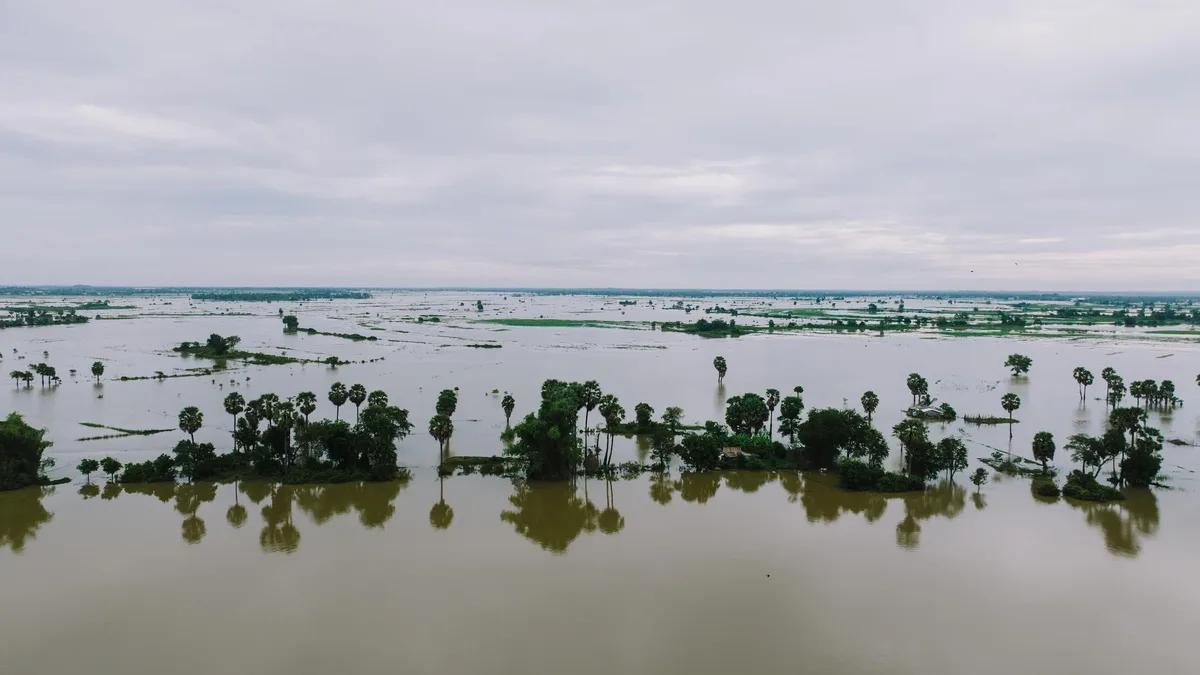
Nepal flood damages 281 MW of renewable
A flash flood in late August damaged multiple hydro and solar projects in Nepal, knocking out 281 MW of installed capacity and damaging another 700 MW

Summer Solar Generation Offsets Hydro Shortfall in Europe
European solar generation has increased significantly, offsetting a shortfall in hydro generation due to drought conditions in certain regions.