Grid Forming Inverters And Stability
| Technology type | Grid-forming power electronic inverter |
|---|---|
| Primary function | Provides voltage and frequency stability in power grids with high renewable penetration |
| Key capability | Operates without relying on a synchronous generator for grid reference |
| Typical application | Integration of inverter-based resources like solar PV, wind, and battery storage |
| Stability role | Enables black-start capability and enhances system inertia in low-inertia grids |
| Control paradigm | Actively defines grid voltage and frequency, unlike grid-following inverters |
Origin and history
The conceptual and technical foundations for grid-forming inverters emerged from power systems engineering research, primarily in Europe and North America, during the late 20th and early 21st centuries. Their development was driven by the increasing integration of inverter-based resources like wind and solar photovoltaics, which traditionally operated in grid-following mode. Early theoretical work and laboratory-scale demonstrations occurred in the 1990s and 2000s, but widespread practical implementation and standardization began in earnest in the 2010s. The technology's necessity became starkly apparent as regions with very high renewable penetration, such as parts of Germany, Australia, and Texas, began to experience stability challenges with conventional grid-following inverters. Key milestones include the development of specific control algorithms, like virtual synchronous machine (VSM) and droop-based controls, which mimic the inertial response of traditional generators. The history is intrinsically linked to the global transition towards decarbonized power systems, forcing a fundamental rethinking of grid stability paradigms originally designed for synchronous machines.
What it is for
Grid-forming inverter technology is fundamentally for establishing and maintaining stable voltage and frequency in electrical power systems that lack traditional rotating generators. Its primary purpose is to provide essential system services, such as inertia and voltage support, which are naturally supplied by large spinning turbines in conventional power plants. This capability is critical for enabling power systems to operate securely with very high shares of renewable generation, which inherently do not provide these services in their basic grid-following configuration. The technology is specifically deployed to prevent blackouts and maintain power quality during disturbances, such as the sudden loss of a major transmission line or a large generator. It is also essential for creating stable, isolated microgrids that can operate independently from the main grid, such as on remote islands or in critical facilities. Ultimately, grid-forming inverters are for replicating the foundational "stiffness" of a traditional grid, thereby allowing inverter-based resources to become the primary, rather than just supplemental, source of electricity.
Overview
A grid-forming inverter is a power electronic device that controls voltage and frequency at its terminals to create a stable electrical reference point for other devices on the network. Unlike a grid-following inverter, which requires an existing stable grid signal to synchronize and inject current, a grid-forming inverter can start a grid from a black state and define the fundamental parameters of the AC waveform. The core of the technology lies in its control software algorithms, which are programmed to emulate the physical dynamics of synchronous generators, including inertia and damping. These inverters are typically integrated into the power conversion systems of battery energy storage systems, solar photovoltaic plants, wind turbines, or dedicated synchronous condensers with power electronic interfaces. They actively regulate the grid by continuously adjusting their power output in response to changes in system frequency and voltage, rather than simply maximizing real power output. This overview encompasses a class of control strategies, including virtual synchronous machine, droop control, and virtual oscillator control, each with distinct dynamic characteristics but the same fundamental objective of forming a grid.
What to know
Grid-forming capability is a software-defined feature, meaning it is primarily an advanced control mode that can be deployed on suitably hardware-rated power electronic converters, not necessarily a distinct physical device. The key technical distinction from grid-following mode is that the inverter controls voltage magnitude and angle directly, making it a voltage source, whereas a grid-follower acts as a current source injecting power into a voltage established by others. Successful deployment requires careful tuning of the control parameters, such as virtual inertia and damping constants, to match the specific characteristics of the grid to which it is connected; improper tuning can lead to instability. These inverters can provide very fast frequency response and fault current, but the magnitude of fault current is typically limited by the physical semiconductor ratings, which is a critical difference from the high fault currents of traditional generators. Interoperability and standardized grid codes are still evolving, as system operators and manufacturers work to define universal technical requirements for performance during disturbances. It is also important to know that while the technology is mature for specific applications like microgrids, its widespread application in large-scale, transmission-level grids is an ongoing engineering challenge involving complex system studies.
Common questions
A common question is whether existing solar or battery storage plants can be retrofitted with grid-forming capability, which depends on whether the inverter hardware has sufficient headroom and the manufacturer offers a software upgrade; often, a full hardware replacement is required. Many ask how grid-forming inverters behave during a grid fault, and the answer is that they are designed to stay connected and support voltage during the fault, often by momentarily absorbing or supplying reactive power, unlike some grid-following inverters that may trip. People frequently inquire if this technology eliminates the need for traditional generators entirely, and while it is a crucial enabler for high renewable grids, most studies indicate a need for a mix of resources, including some dispatchable generation or very long-duration storage, for complete reliability. Another recurring question concerns the source of inertia, which is simulated electronically using energy from a connected DC source like a battery, allowing the inverter to briefly increase or decrease its power output to oppose frequency changes. Users often wonder about the cost premium, which is not in the hardware itself but in the required engineering studies, control system design, and potential need for oversizing the inverter's current capability. Finally, a key question is about standardization, and while specific grid codes, like those in Australia and parts of Europe, now mandate grid-forming capabilities, global standards are still under active development by bodies like the IEEE.
Pros and cons
A major advantage of grid-forming inverters is their ability to enhance grid resilience by providing instantaneous frequency and voltage stabilization without the need for spinning mass, enabling faster and more precise control than mechanical systems. They allow for the creation of robust, self-sufficient microgrids and facilitate the integration of renewable resources at scales previously considered unstable, directly supporting decarbonization goals. A significant drawback is their limited short-circuit current contribution compared to large synchronous generators, which can complicate the operation of legacy protection schemes that rely on high fault currents to trigger circuit breakers. System operators and project developers sometimes regret underestimating the complexity of integrating these devices, as improper controller interaction between multiple grid-forming sources can lead to unforeseen oscillatory instability, requiring extensive and costly system studies. The common mistake is viewing the inverter as a simple plug-and-play replacement for a generator without investing in the necessary power system analysis and control coordination. Furthermore, while the software is sophisticated, the underlying power electronics remain vulnerable to overheating and damage if operated beyond their strict current and thermal limits during sustained grid disturbances.
Who it suits
This technology suits system operators and utilities managing grids with very high instantaneous penetration of renewable energy, particularly those experiencing frequency stability issues or concerned about declining system inertia. It is highly suitable for developers of islanded microgrids, such as those for remote communities, industrial sites, or critical infrastructure, where the inverter must create a stable grid without a connection to a large traditional power system. Battery energy storage system integrators and operators are primary adopters, as batteries provide the ideal fast-responding DC energy source needed to effectively implement grid-forming controls and monetize stability services. Large-scale renewable plant operators, especially in markets with advanced grid codes, are increasingly required to adopt this technology to secure grid connection permits and participate in ancillary service markets. It also suits research institutions and forward-looking grid planners who are designing the architecture of future power systems that will be dominated by power electronics. Finally, it suits regions with ambitious renewable energy targets that have moved beyond simple energy addition and must now address the fundamental engineering challenge of maintaining a secure and stable electricity supply.
Latest Grid Forming Inverters And Stability news
Latest reporting
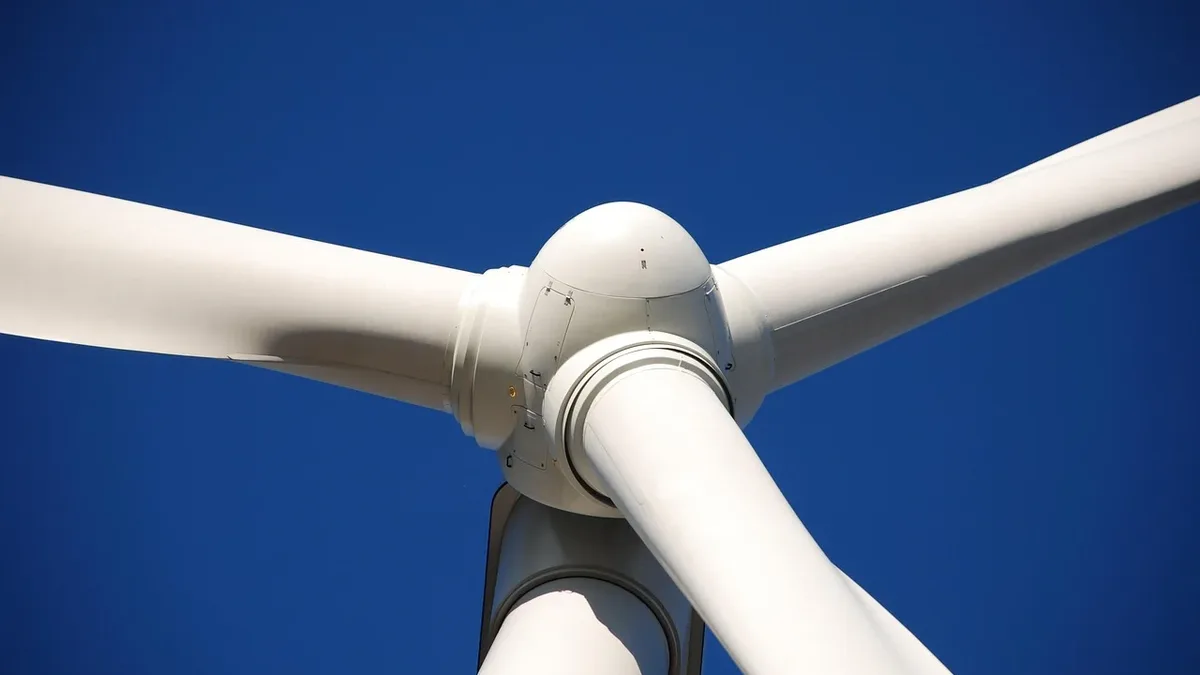
EnergyPathways advances MESH salt cavern storage for UK grid
EnergyPathways is developing the Marram Energy Storage Hub (MESH), a 300 MW/55.2 GWh compressed air energy storage project in salt caverns under the...

BIPV Façade Study Reveals Grid and Economic Benefits
A global IEA study of 357 BIPV configurations finds vertical façades smooth solar generation curves and improve economic viability by displacing
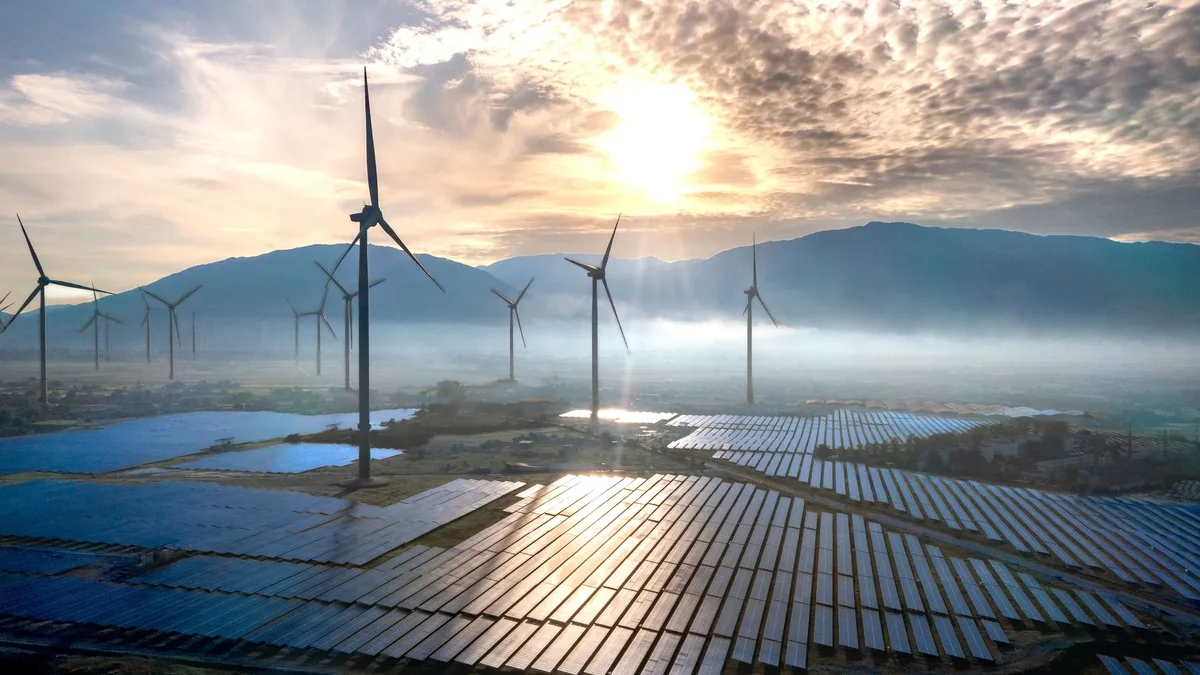
ERCO secures USD 33 million for Colombia
Finnfund and Proparco have committed a combined USD 33 million to Colombian solar energy platform ERCO. The EU-backed investment will fund solar and...
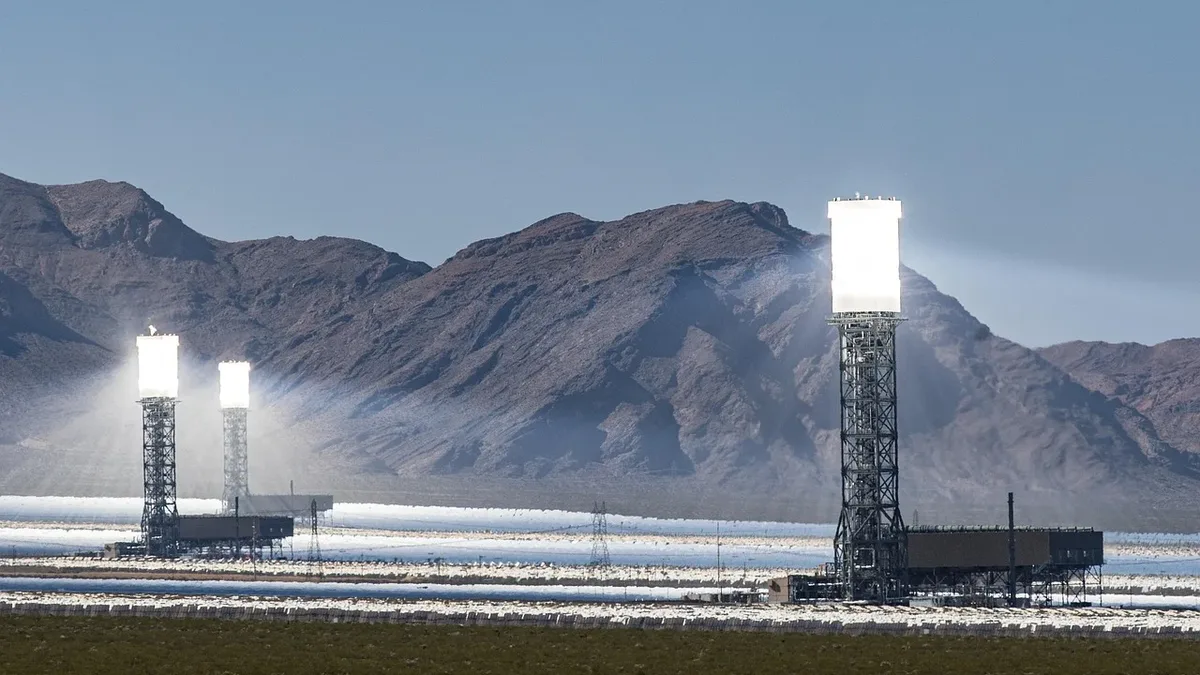
Grid dispute restricts battery at new German
A 69 MW solar and 76.5 MWh battery hybrid plant in Brandenburg is operational, but a dispute with grid operator Eon Edis limits the battery to...
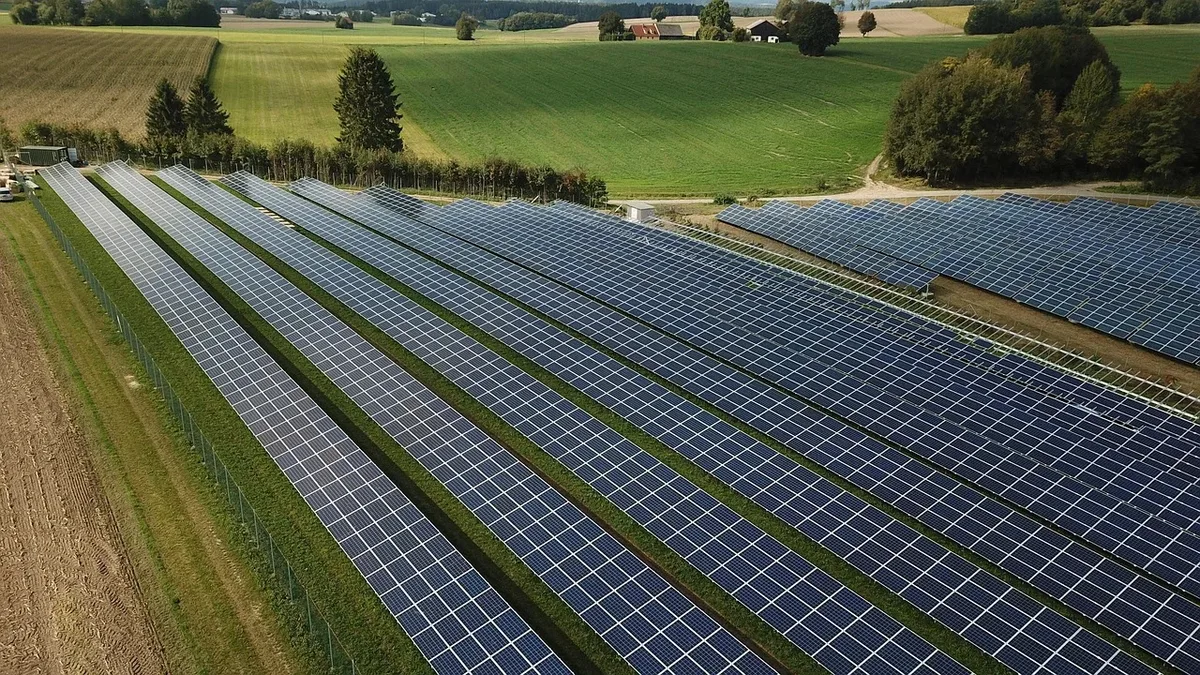
UK regulator proposes battery storage fees
Ofgem is consulting on a new fee for battery storage projects to secure their grid connection slots, aiming to reduce a queue of over 83 GW of...
Australia's First Grid NAS Battery Commissioned in Brisbane
Lava Blue has commissioned Australia's first grid-connected sodium-sulfur battery at a Brisbane research facility.