Feed In Tariffs
| Generation technology | Photovoltaic (solar), Wind (on‑ and offshore), Hydro (small‑scale), Biomass |
|---|---|
| Typical contract duration | 15–25 years (fixed for the project) |
| Payment structure | Price per kilowatt‑hour generated, often above market rate |
| Payment trigger | For electricity fed into the public grid |
| Common administrating body | National or regional government / regulator |
| Purpose | To incentivize investment in renewable energy generation |
| Typical scale | From small residential to large utility‑scale projects |
Origin and history
Feed-in tariffs (FITs) as a formal policy mechanism originated in the United States during the late 1970s. The concept was first enacted into federal law with the Public Utility Regulatory Policies Act (PURPA) of 1978. This legislation emerged as a response to the energy crises of that decade, aiming to encourage renewable energy and reduce dependence on foreign oil. The policy required utilities to purchase electricity from qualifying small-scale renewable energy facilities at avoided-cost rates. While the U.S. pioneered the concept, it was Germany that later refined and popularized the modern feed-in tariff system on a large scale in the early 2000s. The German model became the global benchmark, demonstrating how guaranteed, long-term prices could rapidly accelerate renewable energy deployment.
What it is for
A feed-in tariff is a policy mechanism designed to incentivize investment in renewable electricity generation technologies. Its primary purpose is to accelerate the deployment of technologies like solar photovoltaics, wind power, biomass, and small-scale hydro. The policy achieves this by offering long-term contracts to renewable energy producers, typically spanning 15 to 20 years. These contracts guarantee a fixed, premium price for every unit of electricity fed into the public grid. This financial certainty is intended to mitigate the high upfront capital costs and perceived risks associated with emerging renewable technologies. Ultimately, the policy aims to achieve national or regional targets for renewable energy capacity, carbon emission reductions, and energy security.
Overview
A feed-in tariff is a government-mandated, rate-setting instrument for renewable energy. Under a FIT scheme, utility companies are obligated to purchase all electricity generated by eligible renewable energy installations at a predetermined tariff. This tariff is set above the prevailing retail or wholesale market price for electricity to provide an attractive return on investment. The scheme is usually funded through a small levy on all electricity consumers' bills, spreading the cost across the rate base. Key design elements include the tariff rate, which can differ by technology and project size, and the contract duration. The policy shifts market risk from the generator to the electricity consumers and utilities, creating a stable investment environment.
What to know
The specific tariff rate is crucial and is often calculated based on the levelized cost of generation for each technology plus a reasonable profit. Tariffs typically decline over time for new projects, a mechanism known as "degression," which reflects anticipated cost reductions in renewable technology. Grid connection guarantees and priority dispatch for renewable energy are frequently integral components of a FIT policy. Most schemes include eligibility criteria, often related to system size, technology type, and installation standards. The policy is distinct from net metering, as FITs pay for all electricity generated, whereas net metering only provides a credit for surplus generation exported to the grid. Successful implementation requires careful design to avoid excessive consumer cost burdens and to prevent speculative investment bubbles.
Common questions
How is the feed-in tariff price determined and who sets it? The price is typically set by a government regulator or energy ministry, based on generation costs and policy goals. What happens when the fixed-term contract expires? After the contract ends, the generator usually must sell its electricity at prevailing market rates or under a new policy framework. Are feed-in tariffs still used today? While many pioneering countries have closed their FIT schemes to new applicants, the mechanism remains a foundational policy tool and is used in various forms globally. Do feed-in tariffs apply to all renewable energy technologies? Most schemes differentiate tariffs by technology, offering higher rates for less mature, more expensive technologies like early-stage solar. Who ultimately pays for the feed-in tariff premiums? The cost is almost universally passed through to all electricity consumers via a small surcharge on their utility bills. Can a homeowner with solar panels benefit from a feed-in tariff? Yes, residential-scale systems were a primary target of many schemes, allowing homeowners to become small-scale power producers.
Pros and cons
A primary advantage is proven effectiveness; FITs have driven rapid, large-scale renewable deployment, as seen in Germany and Spain in the 2000s. They democratize energy production by enabling households, farmers, and small businesses to participate. The long-term price guarantee provides bankable projects, lowering financing costs and attracting investment. However, a significant con is the lack of direct market exposure, which can shield generators from price signals that encourage grid-friendly behavior like generation during peak demand. The policy can lead to unexpectedly high costs for consumers if deployment surges beyond forecasts, as tariffs are not automatically adjusted for falling technology costs. Governments often regret poorly calibrated schemes that create unsustainable financial liabilities or speculative gold rushes, leading to abrupt, retroactive policy changes that damage investor confidence. A common mistake is setting initial tariffs too high without a sufficiently steep and predictable depression schedule, resulting in overpayment and political backlash.
Who it suits
Feed-in tariffs are best suited for policymakers seeking a rapid, guaranteed build-out of specific renewable technologies, particularly in the early stages of a market. They suit risk-averse investors, including individuals, communities, and small businesses, who require predictable, long-term returns to justify upfront capital expenditures. The mechanism is well-matched for distributed generation technologies like rooftop solar, where many small actors participate. It is less suited for mature, cost-competitive technologies like onshore wind in favorable locations, where competitive auctions may procure electricity more cheaply. FITs also suit jurisdictions with a political willingness to impose a transparent cost on all ratepayers to achieve public policy goals for renewable energy and climate change mitigation.
Latest Feed In Tariffs news
Latest reporting
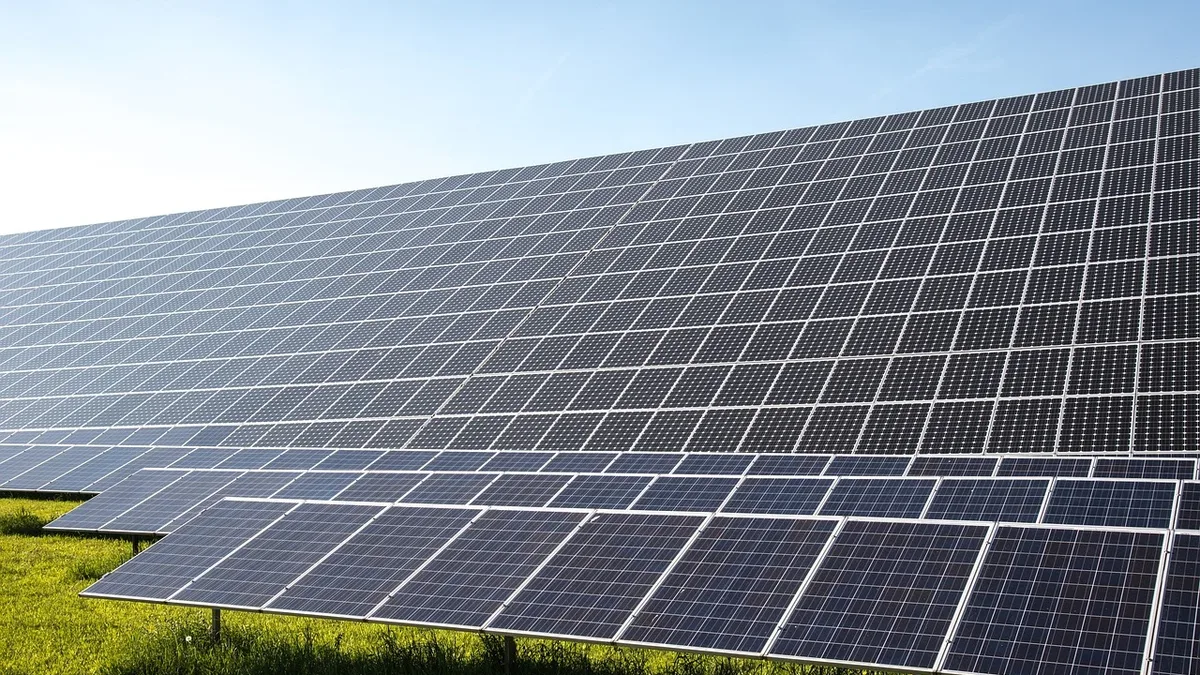
Sinoma's 36 MWp Solar Plant Connects
A 36 MWp solar PV project at the CNBM Zambia Industrial Park has been connected to the national grid. The plant, combined with a waste-heat recovery...

Intertek CEA: US Solar Module Imports
New US tariffs on solar modules make imports uneconomical, says Intertek CEA. The policy will let US makers dominate by 2027 but raise supply chain...

US Solar Policy Landscape Offers 'Good News' Amid OBBBA and Section 232 Tariffs
The US solar policy landscape has seen a mix of changes, including the introduction of the One Big, Beautiful Bill Act (OBBBA) and Section 232...