Battery Energy Storage System Insurance
| Technology type | Grid-scale electrochemical battery storage |
|---|---|
| Primary insured peril | Thermal runaway and resultant fire/explosion |
| Typical policy structure | All-risk property damage and business interruption |
| Key underwriting factor | Battery chemistry (e.g., lithium-ion, flow battery) |
| Common coverage exclusions | Manufacturer defects, gradual degradation |
| Typical policy duration | Annual, with renewal subject to loss history and maintenance |
Origin and history
Battery Energy Storage System (BESS) insurance emerged as a specialized insurance product in the early 21st century, primarily in North America and Europe. Its development was directly driven by the rapid commercial deployment of grid-scale battery storage projects beginning in the 2010s. Traditional property and equipment insurance policies were found to be inadequate for covering the unique risks inherent in these large-scale, high-energy-density systems. The need for a tailored product became particularly evident following several high-profile thermal runaway incidents at storage facilities, which highlighted the potential for catastrophic loss. Insurers and reinsurers, in collaboration with engineering firms and project developers, began crafting specific coverage forms and underwriting guidelines to address this new technology. The market for BESS insurance has since evolved and expanded globally alongside the growth of renewable energy integration and grid stability projects.
What it is for
Battery Energy Storage System insurance is designed to protect the financial investment in a BESS project against a specific set of technological and operational risks. Its primary purpose is to cover physical damage to the battery units, power conversion systems, and balance of plant equipment from covered perils. A core function is to provide liability coverage for third-party bodily injury or property damage that may result from system operations or failures, such as fire or chemical release. It also typically covers business interruption, compensating for lost revenue or incurred costs if the storage system is unable to operate due to a covered loss. Furthermore, it addresses the substantial costs associated with debris removal and site remediation following a significant incident like a fire. Ultimately, this insurance is a critical risk transfer mechanism that enables project financing by providing lenders with confidence that their collateral is protected.
Overview
Battery Energy Storage System insurance is a package policy that combines first-party property damage coverage with third-party liability coverage, specifically engineered for the hazards of large-scale battery storage. The property component insures the storage system assets themselves, including the battery containers, racks, modules, cells, inverters, transformers, and the associated monitoring and control systems. The liability component protects the asset owner and operator against claims arising from their operations. Coverage is typically written on an "all risks" basis for physical damage, meaning it covers all causes of loss unless explicitly excluded, with common exclusions including wear and tear, inherent vice, and intentional acts. Policies are heavily influenced by the specific battery chemistry, system design, installation standards, and operational procedures of the insured project. Underwriting relies on detailed technical submissions, including hazard mitigation plans, fire suppression system details, and thermal runaway propagation testing results.
What to know
A critical point to understand is that BESS insurance is not a standardized product; terms, conditions, and premiums vary significantly between insurers and projects. The single most important factor influencing coverage and cost is the risk of thermal runaway, a self-sustaining exothermic reaction within a battery cell that can propagate to adjacent cells. Insurers will rigorously assess the project's safety protocols, including battery management system capabilities, ventilation, detection systems, and fire suppression design. Policy premiums are often a significant operational expense and are calculated as a percentage of the total insured value, reflecting the perceived risk. It is common for policies to include specific warranties requiring the insured to maintain certain safety practices and immediately report any system faults or alarms. Coverage for gradual degradation of battery capacity is almost universally excluded, as this is considered a performance guarantee issue rather than an insurable fortuitous event.
Common questions
A frequent question is whether a BESS can be covered under a standard power generation project policy, and the answer is typically no due to the distinct hazards. Many ask about the cost, which is highly variable but is generally higher than insurance for conventional thermal power plants due to the novel and concentrated risks. Project developers often inquire about the impact of battery chemistry, with lithium iron phosphate generally viewed more favorably than some high-nickel chemistries due to its thermal stability. A common question concerns the necessity of specific exclusions for certain catastrophic perils, such as flood or earthquake, which may require separate sub-limits or endorsements. Insureds frequently ask about the claims process, particularly regarding the complexity of assessing damage after a thermal event where forensic engineering is required. Another recurring question involves the availability of coverage for off-grid or microgrid applications, which can be more challenging to insure due to different grid support and response dynamics.
Pros and cons
A significant advantage of specialized BESS insurance is that it provides comprehensive, tailored coverage that enables project financing and protects owner equity from potentially ruinous losses. It offers peace of mind by transferring complex technical risks to entities with the capital to absorb them. A pro is that the underwriting process itself can force a rigorous review of a project's safety design, potentially identifying and mitigating vulnerabilities before commissioning. A major con is the high and often volatile cost of premiums and deductibles, which can materially impact project economics. A common drawback is the restrictive nature of policy warranties, where a minor procedural lapse could theoretically jeopardize coverage. Those who regret choosing inadequate coverage often find they underestimated the costs of business interruption or the extensive requirements for debris removal and environmental cleanup following a loss. The most common mistake is failing to engage insurance advisors early in the project design phase, which can lead to uninsurable designs or prohibitively expensive retrofit requirements.
Who it suits
This insurance is essential for any commercial or utility-scale battery energy storage system project owner, operator, or financier. It particularly suits large-scale grid-connected storage projects that are providing services like frequency regulation, renewable energy time-shifting, or capacity support. Developers seeking non-recourse project financing will find it a mandatory requirement from lenders to protect their collateral. It also suits entities integrating storage with solar or wind generation in hybrid plants, as standalone renewable policies often exclude the storage component. Municipal utilities or community-owned storage projects are strong candidates, as they have a public accountability to manage risks prudently. Conversely, very small-scale, research-focused, or demonstration projects with alternative funding may sometimes forgo full commercial insurance, opting instead for manufacturer warranties or assuming the risk themselves.
Latest Battery Energy Storage System Insurance news
Latest reporting
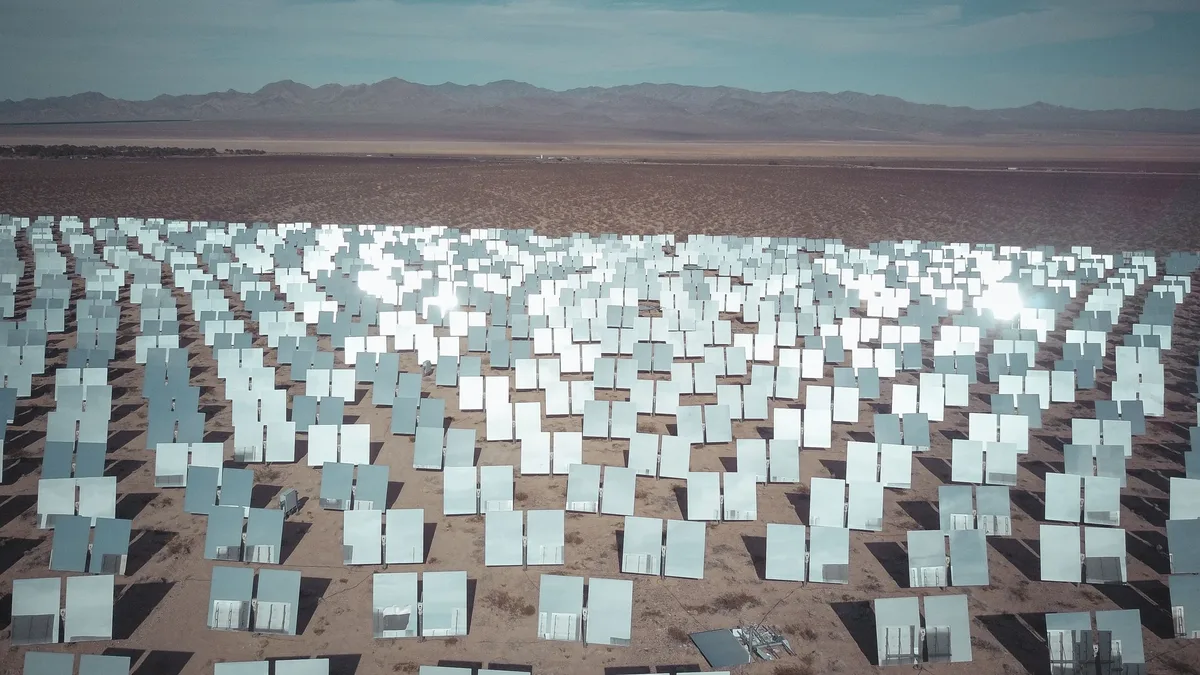
Adani Green Energy expands Khavda battery storage to 6.63
Adani Green Energy Ltd has expanded its operational battery storage capacity at Khavda, Gujarat, to 6.63 GWh within 14 months, now representing over...

U.S. Energy Storage Market Hits Record 18.9 GWh in Q2 2026
The U.S. Energy storage market deployed a record 18.9 GWh of capacity in the second quarter of 2026, driven by utility-scale growth and a shift toward

EnergyPathways advances MESH salt cavern storage for UK grid
EnergyPathways is developing the Marram Energy Storage Hub (MESH), a 300 MW/55.2 GWh compressed air energy storage project in salt caverns under the...
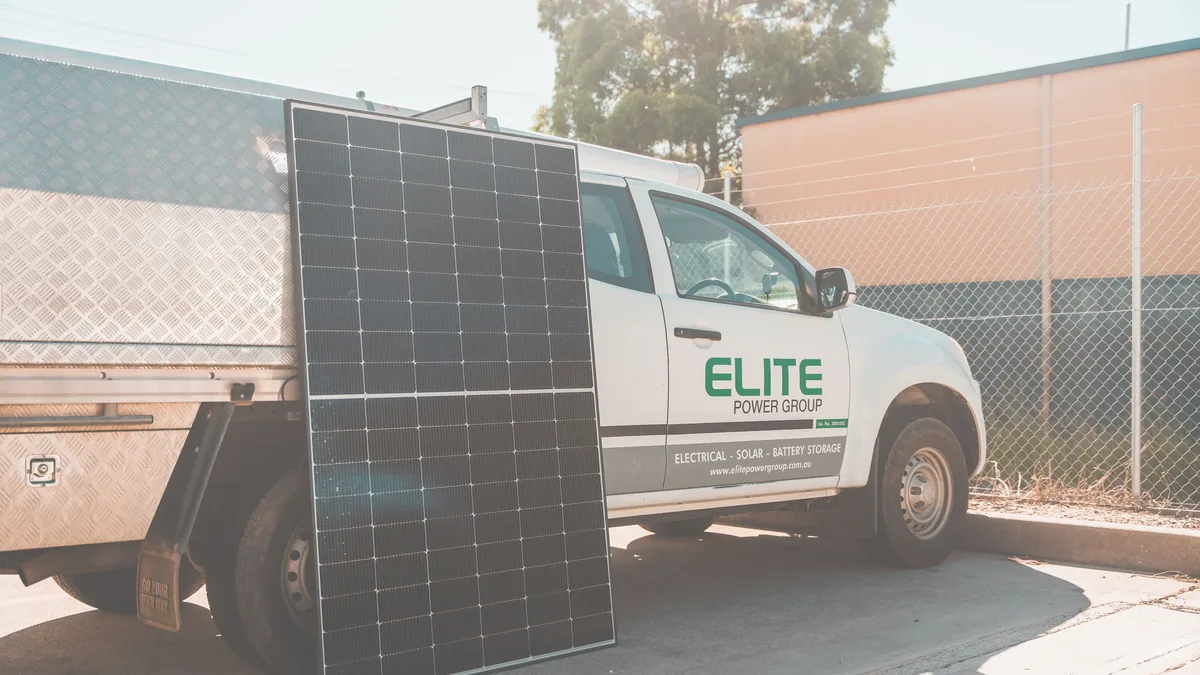
CertainTeed Launches Landmark PWR Solar Shingle System
CertainTeed has launched the Landmark PWR, an 85 W building-integrated photovoltaic shingle system designed to replace rack-mounted solar arrays with...
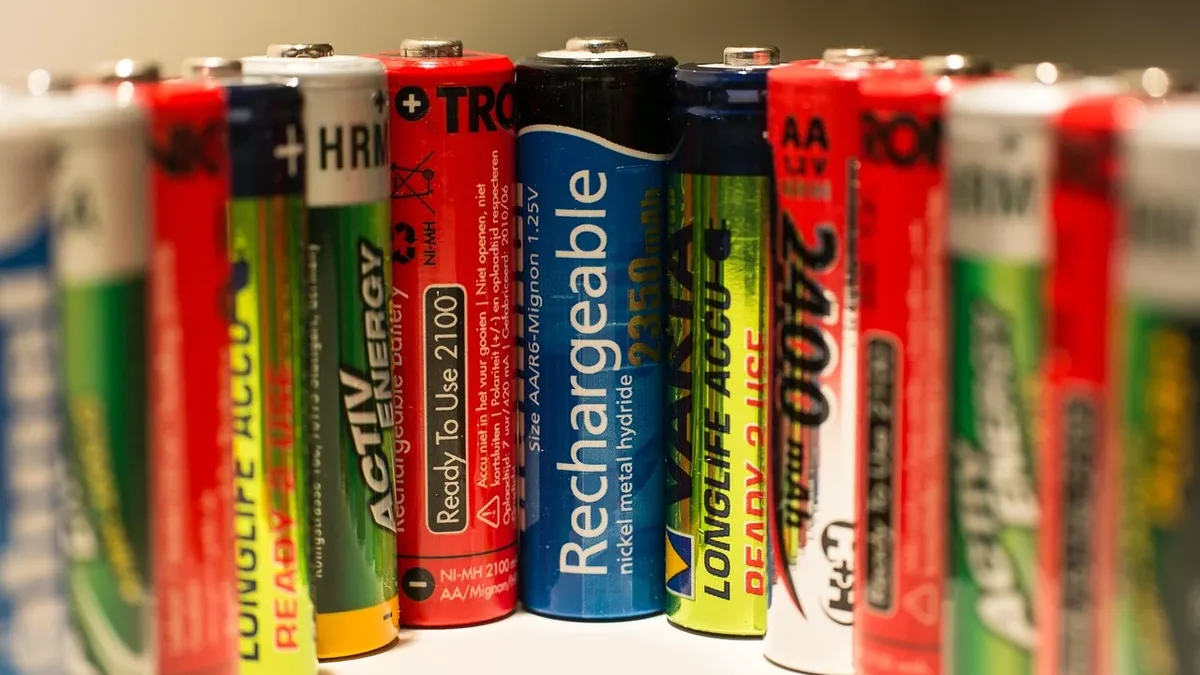
India's BESS capacity faces delays from rising battery
A significant portion of India's under-construction battery energy storage capacity is at risk of delays due to rising battery costs and limited...
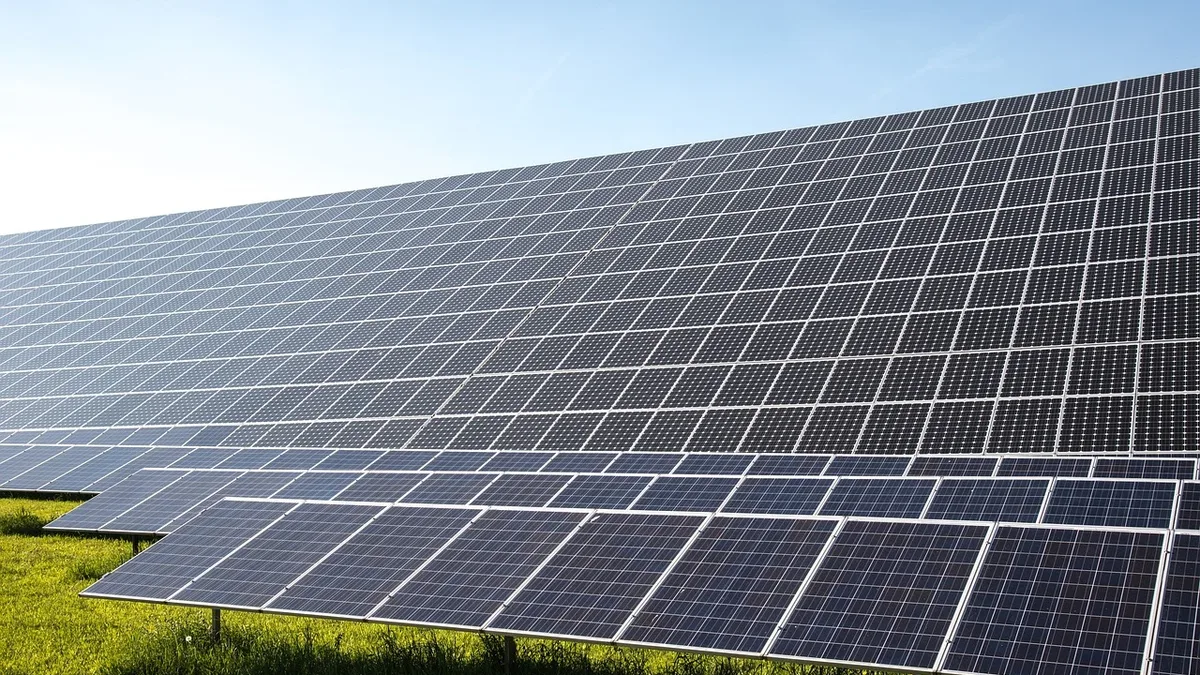
Websol Secures West Bengal Land for 4GW Solar Plant
Websol Energy System has obtained 21.9 hectares in West Bengal's Falta Industrial Park to build a 4GW solar cell and module factory, with the first...