European firms seek price certainty with renewable PPAs
European energy buyers are turning to renewable power purchase agreements for price security, not only sustainability goals, following Middle East conflict
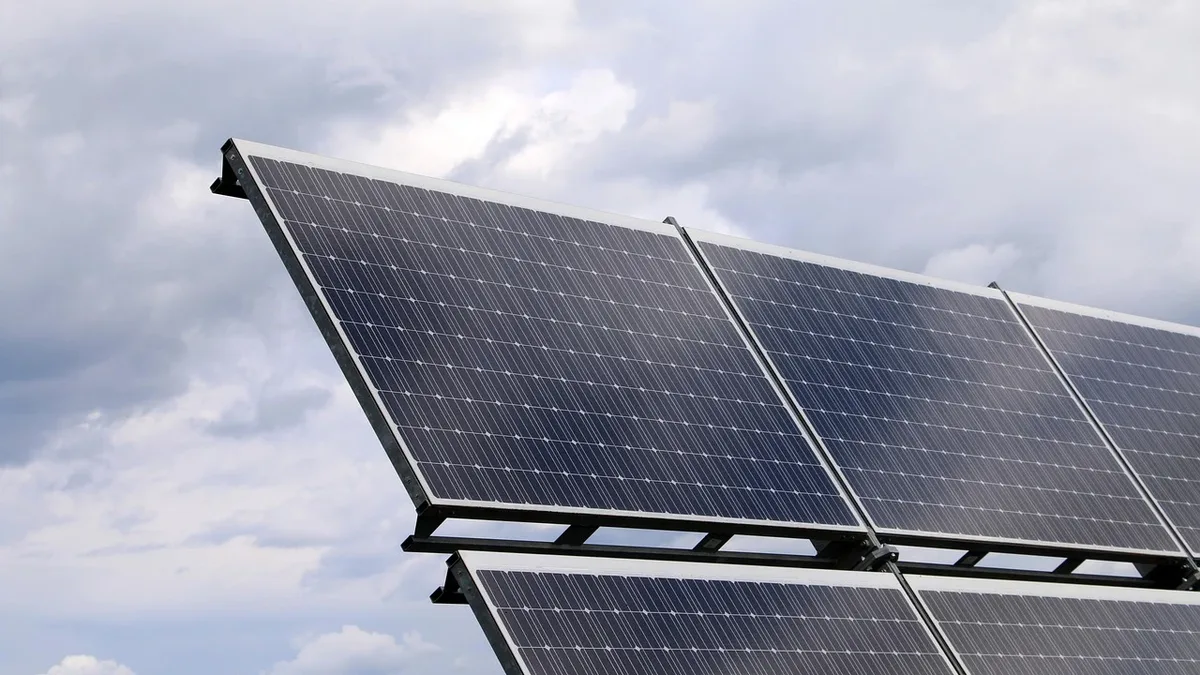
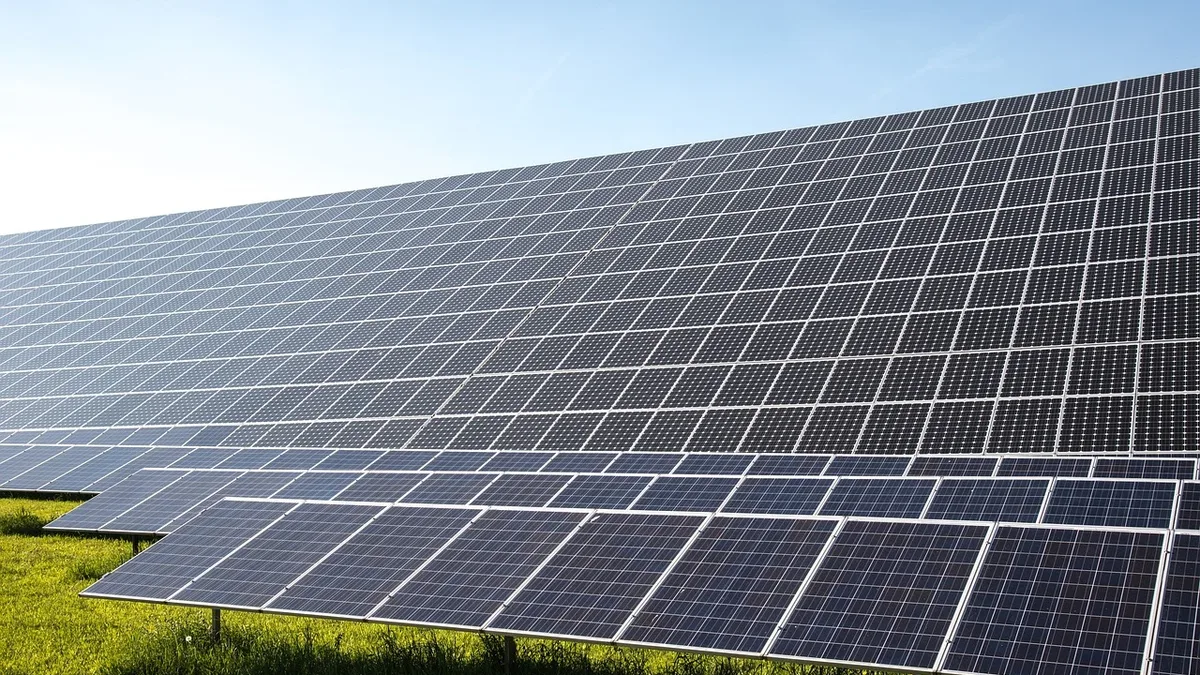
European companies are increasingly signing renewable power purchase agreements (PPAs) to lock in electricity costs for budget certainty, moving beyond environmental targets to focus on energy security. This shift follows volatility in gas-linked spot prices since the onset of conflict in the Middle East, according to analyst Jonathan Bruegel of the Institute for Energy Economics and Financial Analysis (IEEFA) Europe.
"A PPA converts exposure to volatile gas-linked spot prices into a known cost," Bruegel told PV Tech Premium. He noted that for energy-intensive users, budget certainty at nearly half the stress-period spot price is more valuable than attempting to time the market. Data shows stark differences in price stability: global gas prices surged 60.2% between February and July this year, while European solar PPA prices rose just 2.8% from the first to the second quarter.
Current European PPA prices range between €60 and €85 per megawatt-hour, approximately half the €120-150/MWh spot market price. Bruegel argues that even if PPA prices rise due to geopolitical factors, the case for investing in renewables from an energy security perspective remains strong. "Buyers do not sign because these contracts are cheap," he explained. "They sign because a contracted price near €57/MWh is still far below stress-period spot prices."
PPA market activity and grid challenges
Demand for PPAs is evident in contracting activity. While total power capacity contracted by PPAs fell from 17.1 gigawatts in 2023 to 13.1GW in 2025, deals for 7GW were signed in the first half of this year alone. If this pace continues, it would result in a year-on-year increase. However, simply adding more renewable capacity, particularly solar, does not automatically strengthen energy resilience due to potential grid disruption from over-generation.
The issue of curtailment-when renewable power is wasted because the grid cannot absorb it-is growing. In Spain, curtailment increased from 0.1 terawatt-hours in 2021 to 4.6TWh in 2025, nearly tripling annual grid balancing costs over that period despite generally lower power prices. "Curtailment is a major problem now," said Bruegel. "It does not make renewables less secure as an energy source, but it does make plain, unshaped solar less useful as a price hedge, because the plant produces most when the market values it least."
Evolving structures for a reliable hedge
New market mechanisms are developing to transform renewable projects into valuable financial hedges. Bruegel notes that solar generation often coincides with low-price daytime hours in markets like Germany, Spain, and Italy, while price protection is needed for evening peak hours when gas sets the price. Consequently, demand is shifting toward more complex arrangements.
"Demand is moving toward shaped solar, solar paired with storage and solar-wind aggregated PPAs," Bruegel stated. He explained that wind, while more expensive per megawatt-hour, produces at night and in winter, making it a complement to solar for buyers managing price risk. Offtakers are therefore building portfolios that combine multiple technologies and regions, a trend highlighted at industry events like the Solar Finance & Investment Europe summit.
These sophisticated structures include shaped contracts with day/night splits, hybrid solar-wind-storage combined contracts, and storage-backed products. "That is what turns a variable renewable asset into a reliable hedge," Bruegel said. "Without those structures, a solar PPA protects the buyer in the wrong hours."
Contract lengths and long-term drivers
The need for sophisticated offtake has also influenced contract terms. Uncertainty over future power prices has driven appetite for shorter-term PPAs, with some deals as brief as four years. Bruegel suggests a five-to-ten-year contract with a price floor and ceiling offers current protection without a long-term bet. However, he notes a tension between buyer preferences for shorter terms and project finance lenders' requirement for PPA coverage across a full 10-to-15 year loan term.
Bruegel believes the underlying driver for PPAs-energy security-will outlast the current Middle East conflict. He points to European gas storage levels, which were 27.6% full at the start of April 2026 compared to 58.5% at the same point in 2024. "Europe is structurally short of gas and exposed to the next price shock regardless of this conflict," he argued, concluding that the PPA market's foundation in energy security is more durable than its earlier reliance solely on sustainability.