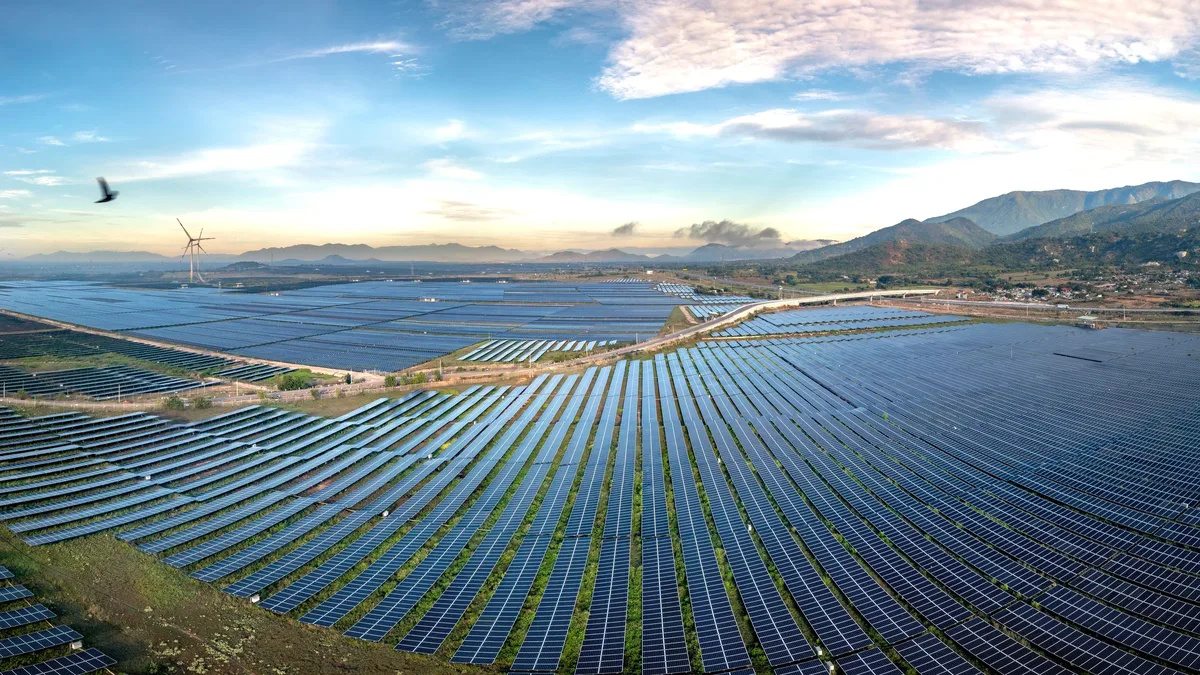
Energy Fiji and EPC Renewables plan 240MWh
Fiji's utility EFL partners with Australian firm EPC Renewables on a two-stage solar and battery project aiming to cut diesel reliance and support economic
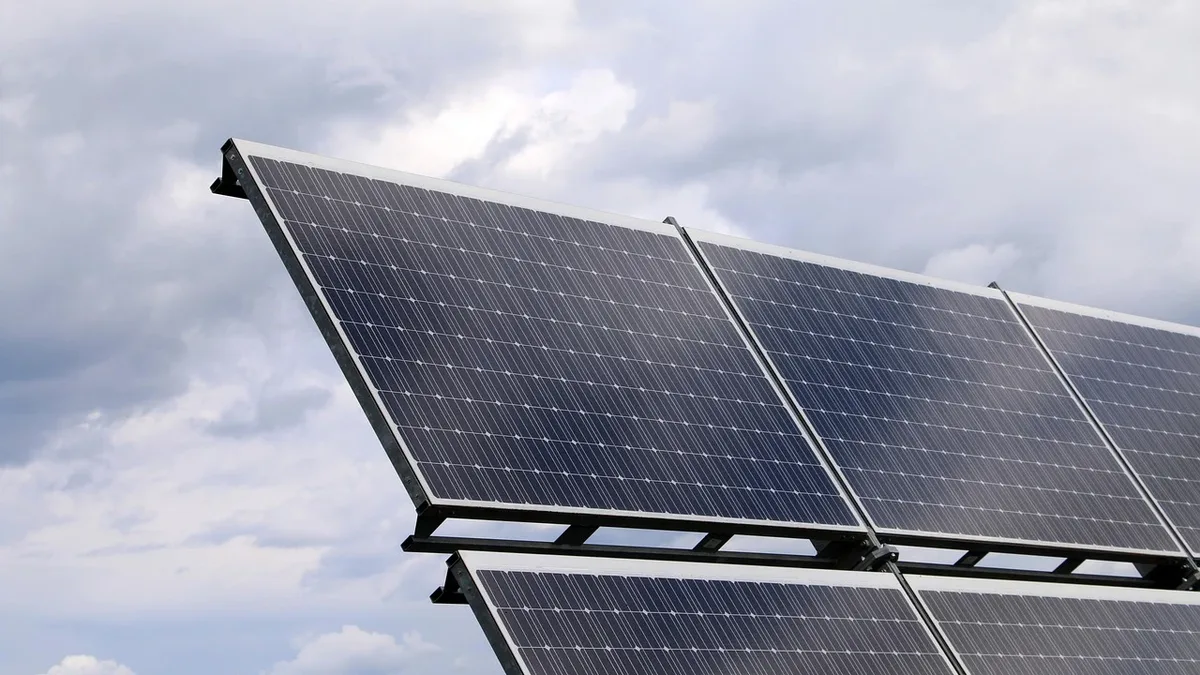
Energy Fiji Limited (EFL) has signed a memorandum of understanding with Australian company EPC Renewables for a major solar and battery storage development.
EPC Renewables, an engineering and construction contractor founded in 2014, has over 500MW of installed solar and battery capacity across Australia and the Pacific. This project marks its first move into becoming an independent power producer in Fiji. The state-linked utility EFL is responsible for generation, transmission, and distribution across Fiji's main grids.
Project Scope and Partnership
The development will proceed under a long-term energy supply arrangement with EFL. A separate memorandum has been signed with Spanish infrastructure group Grupo Cobra to handle engineering, procurement, and construction works for the first stage and future expansions.
The planned capacity for the two stages is as follows:
| Stage | Solar PV Capacity | Battery Storage (BESS) |
|---|---|---|
| 1 | 22MW | 40MWh |
| 2 | 120MW | 200MWh |
EPC Renewables managing director Daryn Stocks described the agreement as establishing the company's first major independent power producer platform in Fiji. "This development has the potential to help unlock a new economic corridor in Fiji," Stocks said. He cited future residential, tourism, commercial, industrial, port, and airport infrastructure as possibilities dependent on reliable and affordable energy.
Local Workforce and Training
The company expects the project to support approximately 200 jobs for Indigenous Fijians. This will be achieved through electrical traineeships and apprenticeships. EPC Renewables plans to work with the Canberra Institute of Technology, the Smart Energy Council, and the Sustainable Energy Industry Association of the Pacific Islands on training and workforce development.
Fiji's Renewable Energy Goals
The Yaqara project directly supports Fiji's national goal of achieving 100% renewable energy by 2030. It aims to reduce the country's heavy reliance on expensive imported diesel for electricity generation. In 2018, Fiji became the first emerging market to issue a sovereign green bond, raising FJD100 million with World Bank support for climate resilience.
EFL is separately running its own procurement for renewable generation. In 2024, it issued a tender for 31.93MW of ground-mounted solar PV across sites on Viti Levu and Vanua Levu islands, which includes a battery storage component on Vanua Levu.
Pacific Island Context
Fiji's situation is common across small Pacific and Indian Ocean island states. Isolated grids and high imported fuel costs have made battery storage a critical policy priority. The Australian government's financing facility has backed similar projects in the region.
In Palau, a 15.28MWp solar project paired with a 12.9MWh battery system was inaugurated in 2023 as the largest solar-plus-storage facility in the Western Pacific at the time. Before its completion, over 99% of Palau's electricity came from burning automotive diesel. The Australian Infrastructure Financing Facility for the Pacific later financed a 19.8MWh augmentation, bringing the site's total storage to 32.7MWh.