Wheeling, Banking And Open Access
| Technology type | Electricity transmission and market mechanism |
|---|---|
| Original use | To enable electricity generators to sell power to buyers in different utility service areas |
| Key principle | Separation of power generation from transmission service |
| Typical participants | Independent power producers, transmission utilities, distribution utilities, large industrial consumers |
| Common regulatory context | Deregulated or restructured electricity markets |
Origin and history
Wheeling, banking, and open access are interrelated policy and regulatory frameworks for electricity markets that originated in the United States during the late 20th century. Their development was a direct consequence of the Public Utility Regulatory Policies Act (PURPA) of 1978, which began to unbundle generation from transmission. The concepts were fully crystallized and mandated into law with the Energy Policy Act of 1992 and subsequent orders from the Federal Energy Regulatory Commission (FERC), notably Orders 888 and 889 in 1996. These FERC orders established the legal foundation for open access to the transmission grid on a non-discriminatory basis. The framework spread to other deregulated markets globally, including parts of Europe, Latin America, and India, throughout the 1990s and 2000s. Its history is fundamentally tied to the shift from vertically integrated, monopolistic utility models to competitive wholesale electricity markets.
What it is for
This framework is designed to enable competition in electricity generation and supply by separating the ownership of power plants from the control of the wires that transport electricity. Its primary purpose is to prevent the owner of a transmission network from unfairly favoring its own power plants and blocking competitors. Wheeling provides the physical mechanism for transporting electricity from a seller to a buyer across third-party grids. Banking allows for the temporal flexibility needed to manage energy credits or generated power over time, often within a regulatory period. Open access mandates that transmission owners offer their infrastructure to all qualified users under published, standard tariffs. Ultimately, these mechanisms allow independent power producers, renewable energy developers, and large consumers to participate in a broader, more competitive marketplace.
Overview
Wheeling is the contractual and physical process of transmitting electrical power from one entity's point of injection to another entity's point of withdrawal across an intermediate grid. Banking refers to the accounting practice where generated electricity, or the credits associated with it, can be stored on a virtual ledger for future use or settlement, crucial for intermittent resources. Open access is the regulatory principle that ensures transmission service is provided to all users on a non-discriminatory, transparent, and comparable basis. Together, they form the backbone of wholesale power markets, allowing generators in one region to sell to customers in another distant region. A specific project built using this framework could be a large-scale wind farm in a rural area that sells its output via a long-term wheeling agreement to an urban utility hundreds of miles away. The project relies on open access rules to secure necessary transmission capacity and may use banking provisions to manage the mismatch between generation and offtake schedules.
What to know
Transmission access is typically governed by a detailed tariff filed with the regulatory authority, outlining rates, terms, and conditions. Wheeling agreements are complex contracts that specify points of receipt and delivery, capacity rights, loss compensation, and liability for congestion. Banking rules are often defined by state regulators or grid operators and can involve complex formulas for crediting and debiting energy over monthly or annual periods. A critical concept is "congestion," which occurs when transmission paths are fully subscribed, physically limiting wheeling and creating locational price differences. Entities must often participate in a queue to secure future transmission capacity, a process that can take years and involve significant financial commitments. Understanding the difference between firm (guaranteed) and non-firm (interruptible) transmission service is essential for project viability and risk management.
Common questions
What is the difference between wheeling and open access? Wheeling is the specific act of transmitting power, while open access is the legal and regulatory regime that makes wheeling possible on fair terms. How does banking work for a solar project? A solar developer might bank excess energy generated during sunny afternoon hours, receiving credits to draw equivalent power from the grid during the evening. Who pays for new transmission lines needed for a project? The cost allocation for network upgrades is a contentious issue, often falling on the new generator requesting connection, which can become a major project cost. Can a large factory use these mechanisms? Yes, a large industrial consumer can directly contract with a distant generator and wheel the power to its facility, potentially securing a lower price. What happens if the transmission line fails during wheeling? The specifics of curtailment, force majeure, and liability are detailed in the wheeling agreement and applicable tariffs. Are these concepts used outside the United States? Yes, similar frameworks underpin electricity markets in countries like the United Kingdom, Chile, and parts of Australia, though with local variations.
Pros and cons
A major advantage is the promotion of economic efficiency, allowing the lowest-cost generator to serve demand regardless of location, which can reduce overall wholesale electricity prices. It enables the development of renewable resources in remote, high-quality resource areas that lack local demand. For consumers, it can create choice and potentially lower costs through competitive supply options. A significant drawback is the immense complexity and transactional cost of negotiating agreements, securing capacity, and navigating constantly evolving market rules. Congestion management can lead to volatile and unpredictable locational marginal prices, creating financial risk for projects that must wheel power across constrained paths. A common regret involves developers who secure a power purchase agreement but fail to adequately secure or afford the necessary firm transmission rights, leading to frequent curtailment and financial shortfalls. The framework can also lead to contentious disputes over who should pay for the large-scale transmission upgrades needed to support new generation, often delaying projects for years.
Who it suits
This framework suits independent power producers and renewable energy developers seeking to sell power into competitive wholesale markets or to specific customers in other service territories. It is critical for large commercial and industrial energy consumers who wish to directly procure power from specific generators to manage costs or meet sustainability goals. Merchant generators, who sell power at spot market prices without long-term contracts, rely entirely on open access to reach liquid trading hubs. The system suits regions with diverse generation resources and load centers, where significant benefits can be gained from trading power across long distances. It does not suit small-scale, behind-the-meter generation intended solely for on-site consumption, as the transactional complexity outweighs the benefit. The framework also presents a high barrier to entry for smaller players without the legal, financial, and technical expertise to navigate the complex market rules and agreement structures.
Latest Wheeling, Banking And Open Access news
Latest reporting
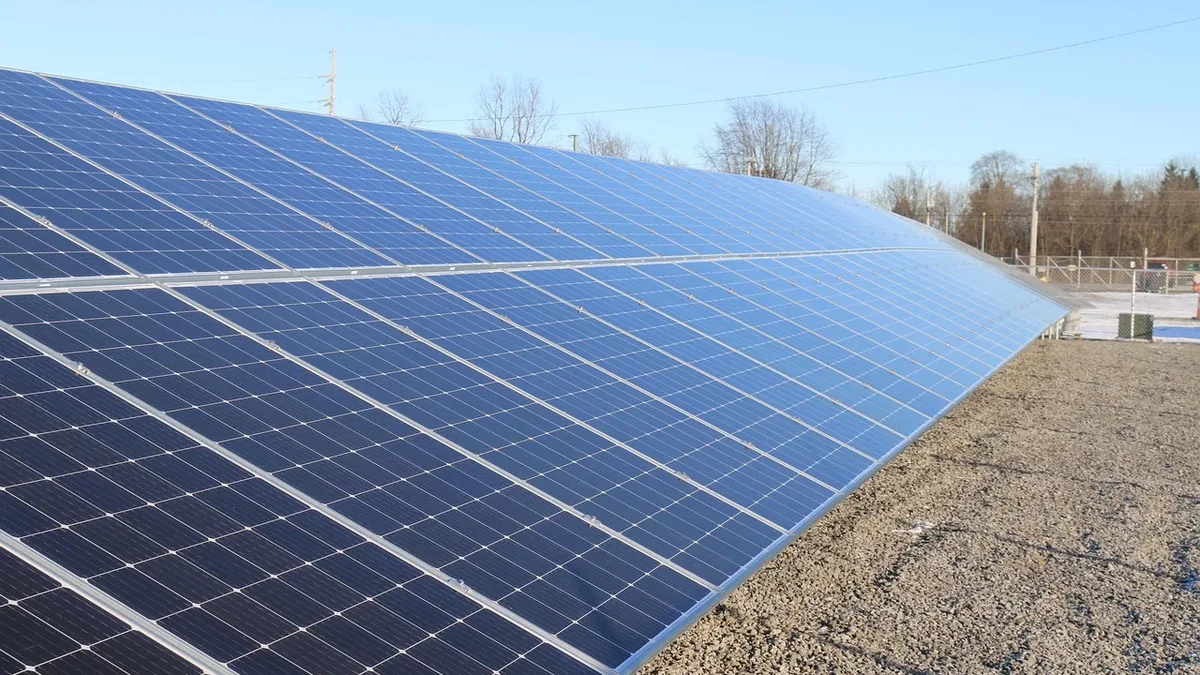
Judge reinstates $7 billion Solar for All
A federal judge has ruled the EPA unlawfully terminated the $7 billion Solar for All low-income solar access programme, ordering its reinstatement.
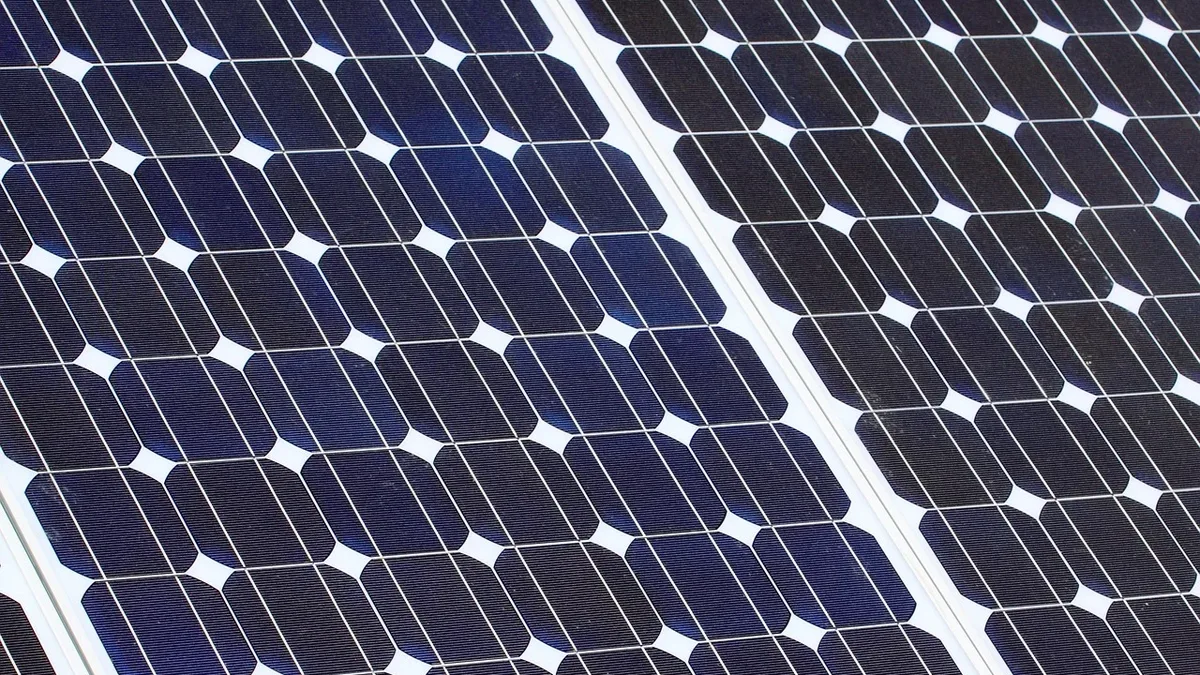
Suniva secures $835 million for 4.5 GW solar
Suniva has raised $835 million to build a new 4.5 GW solar cell factory in South Carolina, set to open in late 2027.