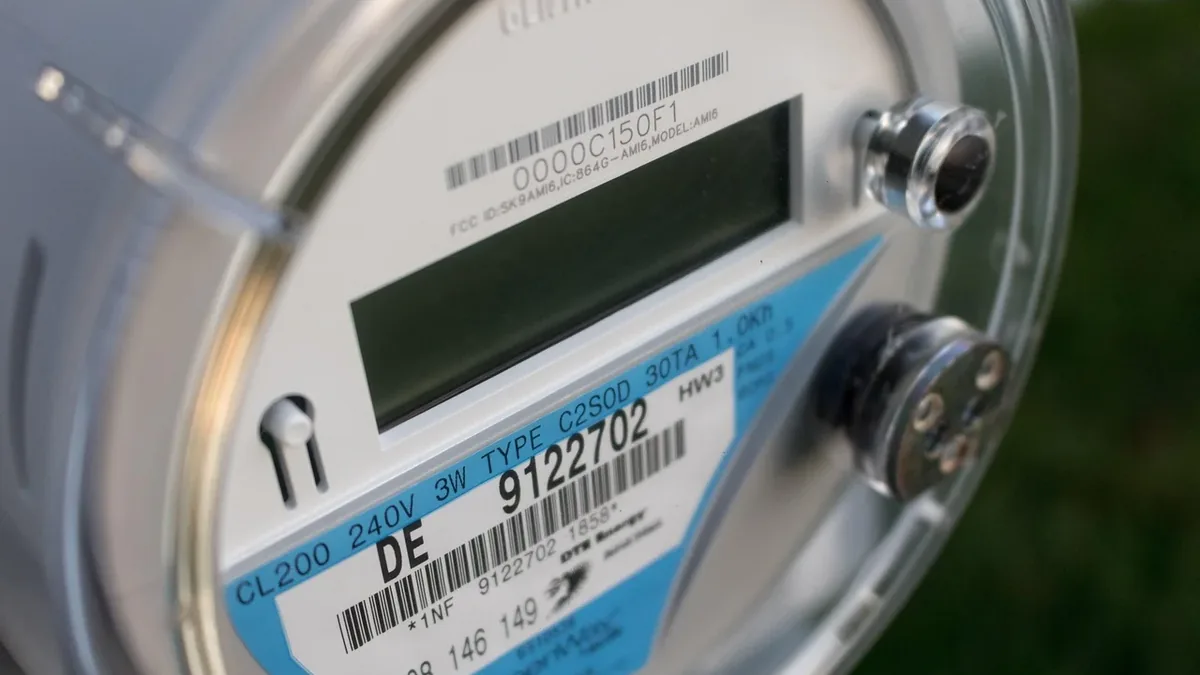
Smart Meters And Time Of Use Tariffs
| Technology type | Electricity metering and demand management |
|---|---|
| Primary function | Measure and record electricity consumption at intervals, enabling variable pricing |
| Key enabling feature | Two-way communication with utility provider |
| Typical data interval | 30 minutes to 1 hour |
| Communication methods | RF mesh, cellular, power-line carrier (PLC), or hybrid |
| Installation location | Consumer premises, replacing traditional electromechanical or digital meter |
| Original use | Enable dynamic electricity pricing and detailed consumption feedback |
Origin and history
The concept of time-of-use (TOU) tariffs originated in the United States and Europe during the mid-20th century, driven by utilities seeking to manage peak electricity demand. The theoretical groundwork for demand-based pricing was established by economists in the 1960s and 1970s, particularly following the oil crises which highlighted energy security concerns. Early implementations involved simple, manually-read meters and rate structures communicated via mail. The modern smart meter, a digital device enabling automated, two-way communication, saw significant development in Italy and parts of Scandinavia in the early 2000s. Large-scale national deployments of smart meters, intended to facilitate TOU tariffs and other dynamic pricing, began in countries like Italy and Canada in the first decade of the 21st century. The integration of smart metering infrastructure with TOU tariffs has since become a central component of grid modernization efforts in numerous countries worldwide.
What it is for
Smart meters and time-of-use tariffs are technologies and economic mechanisms designed to improve the efficiency and stability of electricity grids. Their primary function is to reduce peak period electricity demand, which is the most expensive and carbon-intensive power to generate. By providing consumers with detailed usage data and financial incentives, they aim to shift consumption to times when renewable generation is high or overall demand is low. This flattening of the demand curve helps defer or avoid costly investments in new power plants and grid infrastructure. On a systemic level, they enable greater integration of intermittent renewable energy sources, like wind and solar, by aligning consumption with their availability. Ultimately, they are tools for demand-side management, seeking to balance the electrical grid through consumer behavior rather than solely by adjusting power plant output.
Overview
A smart meter is an electronic device that records electricity consumption in intervals of an hour or less and communicates that data to the utility for monitoring and billing purposes. Unlike traditional electromechanical meters, smart meters enable two-way communication between the consumer's home and the utility, forming a key part of the Advanced Metering Infrastructure (AMI). Time-of-use tariffs are electricity pricing plans that charge different rates for electricity based on the time of day, day of the week, and sometimes the season. These tariffs typically define periods such as peak, off-peak, and sometimes shoulder periods, with prices set in advance and often remaining consistent for months. The smart meter is the essential hardware that allows a utility to implement and accurately bill for a TOU tariff, as it can track precisely when electricity is used. Together, they create a feedback loop where price signals influence usage patterns, which in turn influences grid operations and planning.
What to know
Smart meters measure consumption data far more granularly than traditional meters, typically recording usage in 15-minute or hourly intervals. Consumers on a TOU tariff must understand their specific rate schedule, as peak rates can be two to three times more expensive than off-peak rates, varying significantly by utility and region. The installation of a smart meter is usually mandatory for enrollment in a TOU pricing plan, and in many jurisdictions, utilities are undertaking widespread, mandated rollouts. It is important to know that a smart meter measures total household consumption; it does not, by itself, provide appliance-level breakdowns without additional home energy monitoring devices. The data from smart meters raises privacy and security considerations, as detailed consumption patterns can reveal household occupancy and appliance usage. Consumers should verify that their utility or regulator has established clear rules governing data access, retention, and usage to protect customer information.
Common questions
A common question is whether smart meters are safe, with concerns typically focused on radiofrequency (RF) emissions; regulatory bodies in most countries state that smart meters comply with RF exposure limits and pose no established health risks. Consumers often ask if participation in a TOU tariff is mandatory; this depends on local regulations, but in many cases, consumers can opt for a traditional flat-rate tariff even with a smart meter installed. People frequently inquire if a smart meter will save them money automatically; it will not, as savings are entirely dependent on the consumer's ability and willingness to shift flexible loads to cheaper time periods. Another typical question is about the accuracy of smart meters; they are subject to stringent type-approval and verification testing, similar to traditional meters, and alleged inaccuracies are often traced to pre-existing wiring faults or appliance issues. Users ask if they need an in-home display; while often provided or available for purchase, it is not strictly necessary as many utilities offer data through web portals or mobile apps. Many wonder about the cost; the capital cost of the meter and AMI network is typically borne by all ratepayers through utility rates, not via a direct upfront consumer charge.
Pros and cons
A significant pro is the potential for consumer cost savings on electricity bills for those who can effectively shift discretionary loads like laundry or EV charging to off-peak hours. The technology provides greater transparency into energy usage patterns, empowering consumers to identify waste and manage consumption more actively. For the grid, widespread adoption can lead to reduced peak demand, lowering wholesale electricity prices and system-wide carbon emissions by minimizing reliance on peaking power plants. A primary con is the potential for increased bills for households that cannot shift their usage due to lifestyle constraints, medical equipment needs, or lack of flexible appliances, creating a regressive impact. Common mistakes include enrolling in a TOU tariff without understanding one's own consumption profile or without having the means to shift load, leading to financial penalty rather than reward. Some consumers regret the loss of simplicity and predictability that came with a flat rate, finding the constant need to manage usage around time periods stressful and intrusive.
Who it suits
This system suits households with high electricity consumption and significant flexibility in when that power is used, such as homes with electric vehicles, space heating, or pool pumps. It is well-suited for tech-savvy consumers who are engaged with their energy data and are willing to use automation, like programmable thermostats or smart appliances, to shift loads automatically. Households where occupants are away during high-priced peak daytime periods, or those who are naturally active later in the evening, can benefit without major lifestyle changes. It is less suitable for families with young children, home-based workers, or those with medical needs requiring consistent power use throughout the day, as their usage patterns are often inflexible. Lower-income households, particularly those in inefficient housing without modern, controllable appliances, may find it difficult to realize savings and could face higher costs. Ultimately, it best serves those for whom the financial incentive outweighs the inconvenience of temporal consumption management.
Latest Smart Meters And Time Of Use Tariffs news
Latest reporting
PJM Proposes 6GW Auction to Cover Data Centre Power
Grid operator PJM has submitted a two-part plan to FERC, proposing a one-time 6GW capacity auction and shifting responsibility for new supply to large
Intertek CEA: US Solar Module Imports
New US tariffs on solar modules make imports uneconomical, says Intertek CEA. The policy will let US makers dominate by 2027 but raise supply chain...
US Solar Policy Landscape Offers 'Good News' Amid OBBBA and Section 232 Tariffs
The US solar policy landscape has seen a mix of changes, including the introduction of the One Big, Beautiful Bill Act (OBBBA) and Section 232...