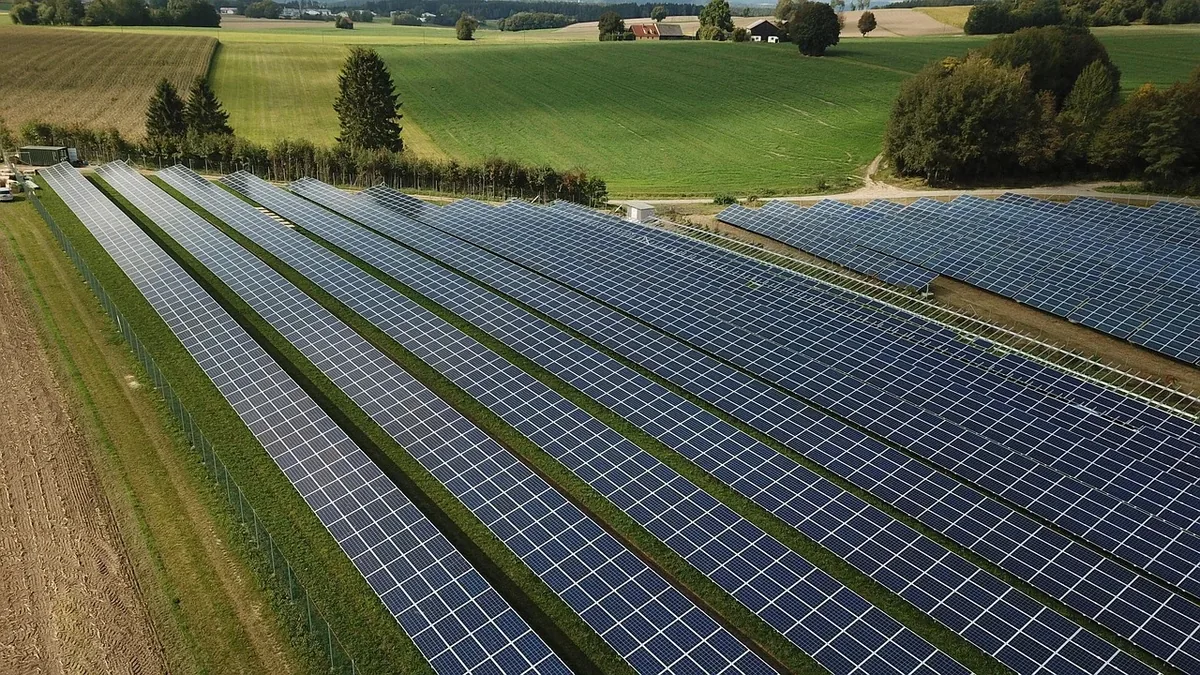
Microgrids, Islands And Off Grid Systems
| Grid connection | Off-grid or Islanded |
|---|
Origin and history
The conceptual and technological foundations for modern microgrids and off-grid systems originated in the late 19th and early 20th centuries with the advent of small-scale, isolated electrical generation. Isolated power systems for remote industrial operations, such as mining or forestry camps, and lighthouses were early practical implementations. The specific term "microgrid" emerged from research and development work in the United States, Europe, and Japan in the late 1990s and early 2000s, focusing on integrating distributed energy resources. Island power systems have existed for as long as electrification itself, with many remote communities historically relying on diesel generators due to the prohibitive cost of grid connection. The development of more reliable and cost-effective renewable energy technologies, particularly solar photovoltaics and advanced battery storage since the late 2000s, has dramatically transformed the viability of both island and off-grid systems. This evolution has shifted them from purely necessity-based solutions to strategic models for energy resilience and decarbonization.
What it is for
These systems are designed to provide reliable electricity in locations where connection to a centralized, continental-scale power grid is impossible, impractical, or undesirable. Their primary function is to ensure energy security and autonomy for a defined geographic area or electrical boundary, independent of a larger utility grid. Microgrids are often deployed to increase resilience for critical facilities like hospitals, military bases, and university campuses, allowing them to operate during wider grid outages. Island systems are specifically for geographically isolated communities, such as on actual islands or in remote mountainous regions, to displace expensive and polluting fossil fuel generation. Off-grid systems serve individual homes, farms, or small settlements that are too remote for any grid connection, meeting all energy needs locally. Furthermore, these systems are increasingly used as testbeds for integrating high penetrations of variable renewable energy sources and advanced grid management technologies.
Overview
A microgrid is a localized group of electricity sources and loads that typically operates connected to and synchronized with the traditional wide-area synchronous grid, but can also disconnect to operate autonomously as an electrical island. An island system refers specifically to a power grid that is permanently isolated, usually serving a single community or landmass, and is never connected to a larger mainland grid. An off-grid system is typically a smaller-scale setup designed to operate in complete independence, serving a single building or a small cluster of buildings without any connection to a centralized utility infrastructure. All three share core technological components: generation sources (often a mix of diesel generators, solar PV, wind turbines, or small hydro), energy storage systems (like lithium-ion or flow batteries), and intelligent control systems. The control system is the critical brain, managing the balance between generation, storage, and demand in real-time to maintain stable voltage and frequency. These systems can range in size from a few kilowatts for a single home to tens of megawatts for a large community or industrial facility.
What to know
The economic justification for these systems often hinges on the avoided cost of extending long-distance transmission lines, which can be extraordinarily expensive in rugged or remote terrain. System design is a complex engineering task that must meticulously match generation and storage capacity to the specific load profile and resource availability (solar irradiance, wind patterns) of the site. Fuel logistics for diesel-based systems in remote islands can dominate operational costs and create vulnerability to supply chain disruptions and price volatility. Regulatory and ownership models vary widely, from utility-owned and operated systems to community-owned cooperatives or privately owned installations, each with different implications for tariffs and maintenance. The integration of inverter-based resources like solar and wind requires careful management of grid stability, as these lack the inherent rotational inertia of traditional generators. Lifecycle costs, including capital expenditure, operation and maintenance, and eventual component replacement, must be fully accounted for, as these systems cannot rely on external backup.
Common questions
What is the main difference between a microgrid and an off-grid system? A microgrid is usually connected to the main grid and can island itself, while an off-grid system is never connected at all. How long can a battery-based system power a home during cloudy or low-wind periods? This depends entirely on the size of the battery bank and the load consumption, with careful design aiming for several days of autonomy. Can a microgrid run on 100% renewable energy? While technically possible, most systems designed for absolute reliability incorporate some form of dispatchable generation or storage to cover prolonged periods of low renewable output. Who is responsible for maintaining and repairing an off-grid system? The system owner is fully responsible, necessitating either personal technical knowledge, a local service contract, or built-in remote monitoring and support. Are these systems legal everywhere? Local electrical codes and utility regulations must be consulted, as some jurisdictions have restrictions on disconnection or require specific safety equipment. What happens if a key component in an isolated system fails? Redundancy is often built in, but repair can involve significant delays and costs for parts and specialist technicians to travel to the site.
Pros and cons
These systems can provide modern electricity to remote communities for the first time, enabling economic development and improving quality of life. They allow for the direct integration of local renewable resources, reducing carbon emissions and local pollution compared to continuous diesel generation. However, the capital cost per unit of energy delivered is almost always significantly higher than being a customer on a large, centralized grid due to economies of scale. Operational complexity is a major con, requiring specialized design and ongoing skilled management to ensure reliability and longevity of components. Common regrets stem from undersizing the system initially, leading to frequent power shortages, or failing to budget adequately for long-term maintenance and eventual battery replacement, which is a substantial recurring cost.
Who it suits
These systems suit geographically isolated communities, islands, and remote homesteads where grid connection is physically impossible or financially prohibitive. They are appropriate for critical infrastructure operators, such as hospitals, data centers, and water treatment plants, for whom continuous power is a non-negotiable requirement. Research institutions and campuses interested in demonstrating advanced energy management and high renewable penetration are typical candidates for pilot microgrid projects. Individuals or organizations with a strong preference for self-sufficiency and a willingness to actively manage their energy consumption and system maintenance are well-suited for off-grid living. They are also a fit for industrial and mining operations in remote locations, where reliable power is needed for extraction and processing activities. Finally, they suit regions with abundant renewable resources but underdeveloped central grid infrastructure, offering a leapfrog solution to electrification.
Latest Microgrids, Islands And Off Grid Systems news
Latest reporting
EnergyPathways advances MESH salt cavern storage for UK grid
EnergyPathways is developing the Marram Energy Storage Hub (MESH), a 300 MW/55.2 GWh compressed air energy storage project in salt caverns under the...

BIPV Façade Study Reveals Grid and Economic Benefits
A global IEA study of 357 BIPV configurations finds vertical façades smooth solar generation curves and improve economic viability by displacing
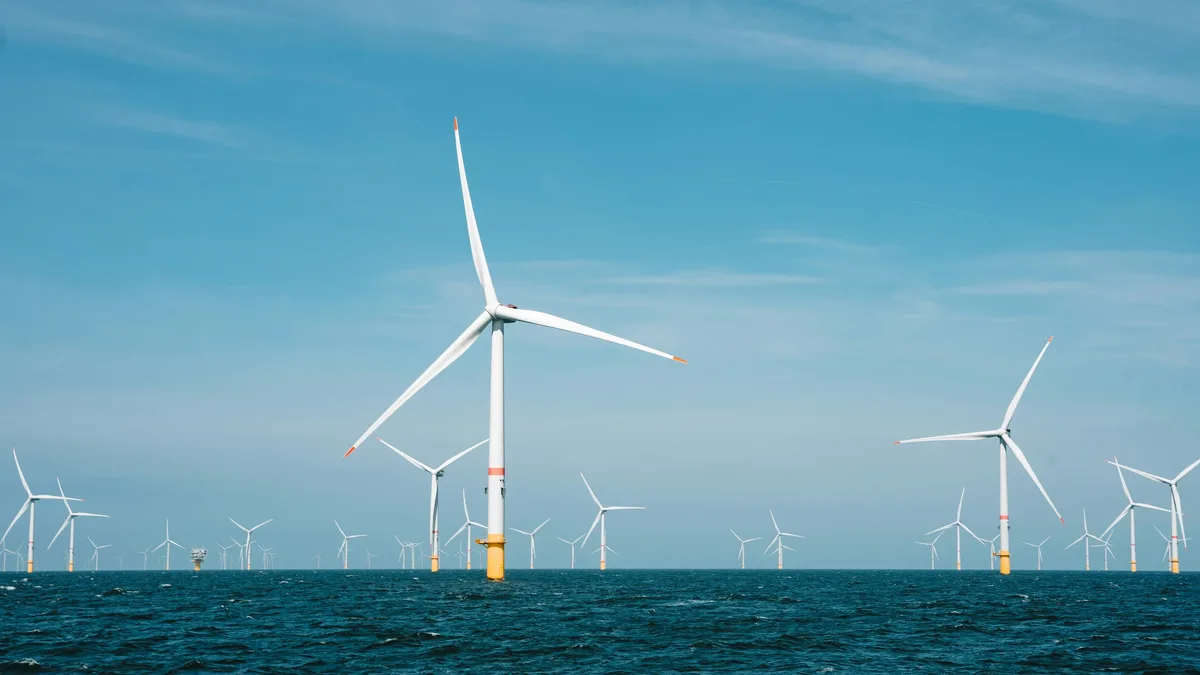
Tekmar secures €6 million offshore wind
Tekmar Group has won a €6 million contract extension to supply cable protection systems for a European offshore wind project, with manufacturing set...
Brazil PV system prices rise 7% in H1 2026
Average photovoltaic system prices in Brazil increased 7% in the first half of 2026 for projects up to 300 kW, with 30 kW and 50 kW systems hitting a...
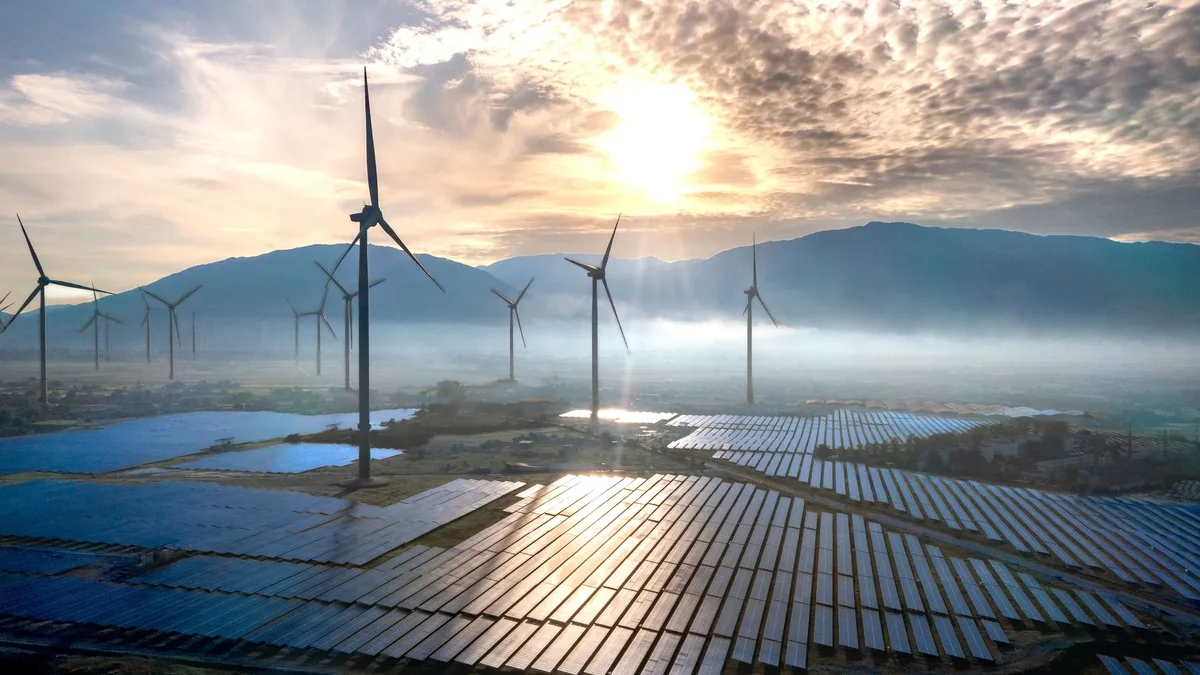
ERCO secures USD 33 million for Colombia
Finnfund and Proparco have committed a combined USD 33 million to Colombian solar energy platform ERCO. The EU-backed investment will fund solar and...
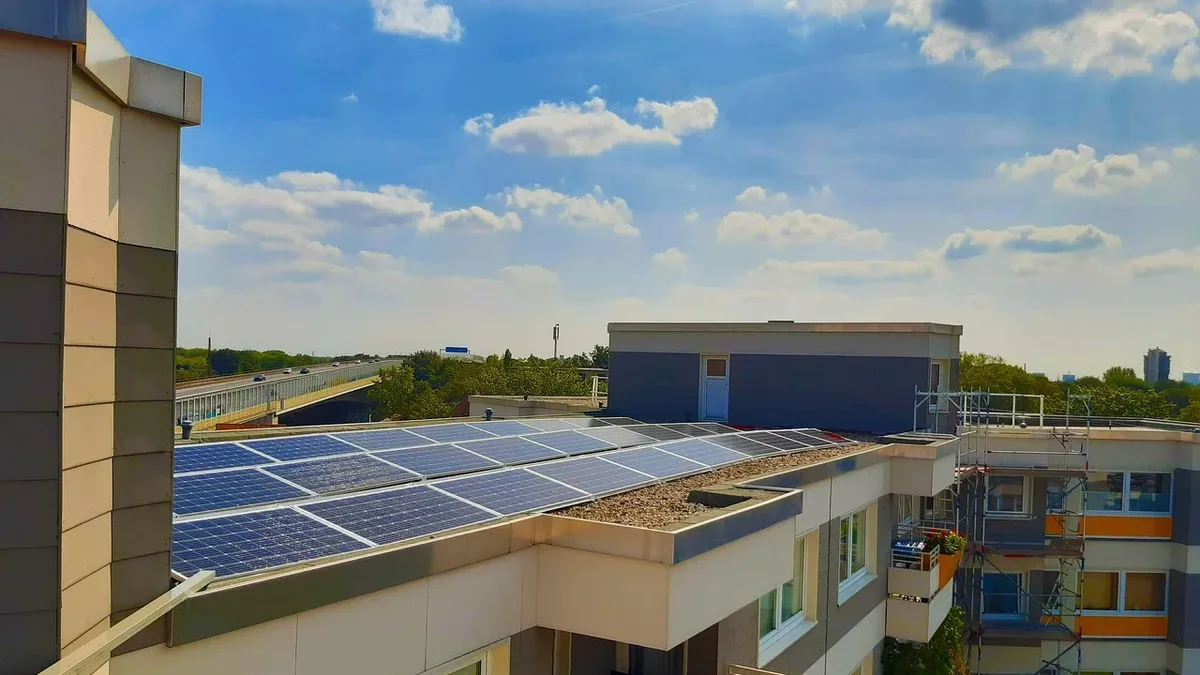
Form Energy Secures $270 Million for Iron-Air Battery
Form Energy has closed a $270 million credit facility to scale up manufacturing of its iron-air battery systems for multi-day energy storage.