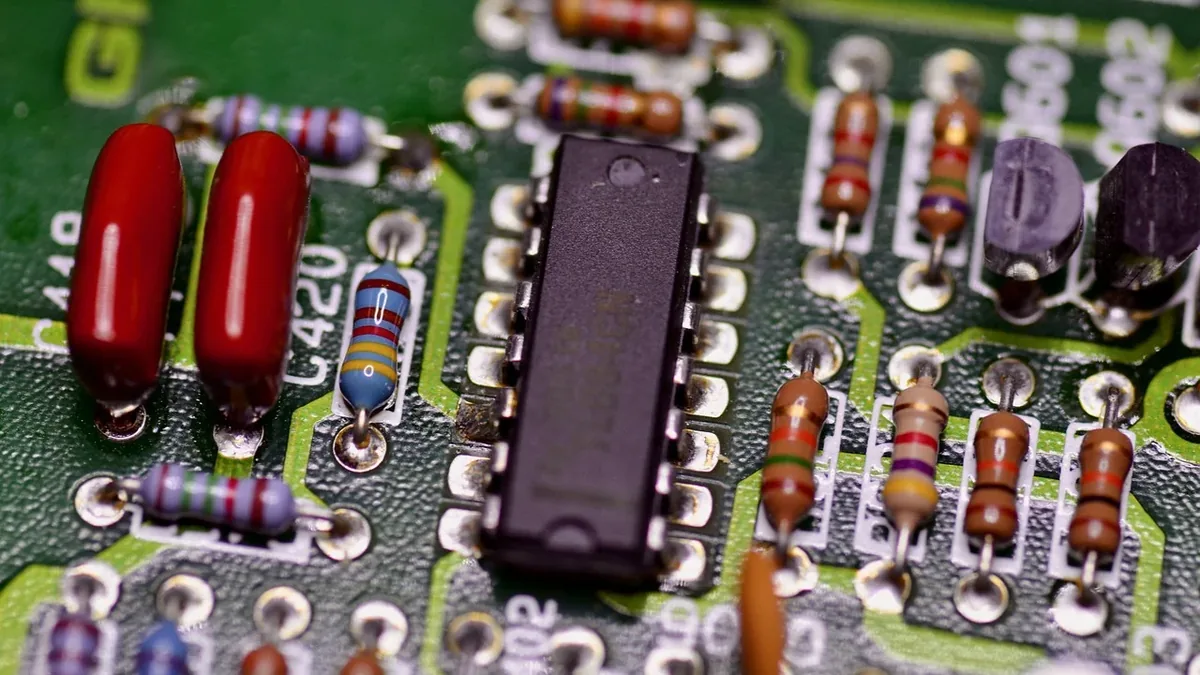
Inverters And Power Electronics
| Country of origin | Germany |
|---|---|
| First created | 1970s |
| Original use | Variable-speed control of AC motors |
| Key components | Semiconductor switches (e.g., IGBTs, MOSFETs), capacitors, inductors, control circuitry |
| Core function | Converts DC power to AC power with controlled voltage and frequency |
| Typical efficiency | 95% to 99% |
| Common applications | Motor drives, renewable energy systems, uninterruptible power supplies (UPS), industrial heating |
| Cooling method | Air-cooled or liquid-cooled |
Origin and history
The foundational principles of power electronics, which include the study and application of solid-state electronics for the control and conversion of electric power, began to coalesce in the mid-20th century. The invention of the silicon-controlled rectifier (SCR) by General Electric engineers in the United States in the late 1950s is widely considered the pivotal event that launched the modern field. Early development was heavily concentrated in the United States, Japan, and Germany, driven by industrial motor control and high-voltage direct current (HVDC) transmission needs. The technology evolved through subsequent decades with the introduction of new semiconductor devices like power transistors, MOSFETs, and notably the Insulated-Gate Bipolar Transistor (IGBT) in the 1980s. The proliferation of renewable energy sources, particularly solar photovoltaics, from the late 20th century onward created a massive new demand for efficient and reliable inverter technology. This historical trajectory has established power electronics as a critical enabling technology for modern electrical infrastructure, with continuous global research focused on materials like silicon carbide and gallium nitride.
What it is for
Inverters and power electronics are fundamentally for converting and controlling electrical power from one form to another with high efficiency and precision. Their primary function is to convert direct current (DC) electricity into grid-compatible alternating current (AC) electricity, which is essential for integrating solar panels, batteries, and fuel cells into the AC power grid. They are also used for the reverse process, rectifying AC to DC for charging batteries and powering electronic devices. Beyond conversion, these systems provide critical control over voltage, frequency, and current, enabling the management of power flow and quality. In motor drives, they provide variable speed and torque control, leading to significant energy savings in industrial and transportation applications. They are indispensable in specialized applications like uninterruptible power supplies (UPS) for backup power, and in HVDC systems for efficient long-distance bulk power transmission.
Overview
An inverter is a specific type of power electronic device, which itself is a broad category encompassing converters, rectifiers, and controllers built using semiconductor switches. The core of any modern inverter is a set of high-power semiconductor switches, such as IGBTs or MOSFETs, which are turned on and off thousands of times per second in a precise sequence. This switching action, known as pulse-width modulation (PWM), synthesizes an AC waveform from a DC input. A complete inverter system includes not only these power switches but also control circuitry, filters to smooth the output waveform, cooling systems, and protective enclosures. Grid-tied inverters incorporate sophisticated synchronization and safety mechanisms to match the grid's voltage and frequency and to disconnect during a power outage. The design and complexity of an inverter system vary dramatically based on its power rating, from small microinverters on single solar panels to multi-megawatt central inverters for utility-scale solar farms.
What to know
Efficiency is a paramount specification, representing the percentage of DC input power successfully converted to AC output power, with peak efficiencies for modern devices exceeding 98%. Total Harmonic Distortion (THD) is a critical measure of output power quality, indicating how much the synthesized AC wave deviates from a perfect sine wave, which can affect other connected equipment. For solar applications, maximum power point tracking (MPPT) is an essential inverter function that continuously adjusts electrical operating points to extract the maximum possible power from the photovoltaic array as conditions change. Thermal management is a constant design challenge, as power losses during conversion generate heat that must be dissipated via heatsinks and often active cooling to prevent failure. System voltage and power ratings must be carefully matched to the generation source and load requirements, as oversizing or undersizing can lead to inefficiency or damage. Understanding the difference between central, string, and microinverter architectures is crucial for project design, as each offers different trade-offs in cost, redundancy, and performance optimization.
Common questions
A common question is whether an inverter can provide power during a blackout; standard grid-tied inverters are required to shut down for safety, but specific hybrid or battery-based inverters with islanding capability can do so. People often ask about the lifespan of an inverter, which is typically shorter than the solar panels it serves, often in the range of 10 to 15 years, with electrolytic capacitors being a common point of wear. Many inquire about the noise generated by inverters, which primarily comes from cooling fans and, at high power, an audible hum from magnetics, necessitating consideration in placement. A frequent technical question concerns the necessity of transformers, with modern "transformerless" inverter designs offering higher efficiency and lower weight but requiring different safety configurations. Users commonly question what causes inverter failure, with typical culprits being prolonged thermal stress, voltage surges from lightning or grid events, and component aging. There is also regular confusion between a simple power inverter for vehicles and a grid-interactive inverter, with the latter being a far more complex and certified device for permanent installation.
Pros and cons
A primary advantage is enabling the integration of diverse DC energy sources into the ubiquitous AC grid, which is fundamental to the renewable energy transition. They provide exceptional control over electrical parameters, allowing for optimized energy harvest, improved motor efficiency, and stabilized grid support. The solid-state nature of modern power electronics offers high reliability, fast switching speeds, and reduced maintenance compared to older electromechanical conversion methods. A significant disadvantage is that they are a potential single point of failure in an energy system; a central inverter failing can shut down an entire solar array. They inherently generate waste heat, requiring robust and sometimes noisy cooling systems, and can produce electromagnetic interference (EMI) that must be filtered. Common regrets stem from selecting inverters without adequate surge protection or cooling for harsh environments, or from choosing a central inverter topology where shading issues would have been better mitigated by microinverters. The complexity of the technology also means specialized and often costly expertise is required for design and repair.
Who it suits
This technology suits utility-scale solar and wind farm developers who require high-power, centralized conversion systems with advanced grid-support functions. It is essential for commercial and industrial facilities implementing onsite generation, battery storage, or sophisticated motor drive systems to manage energy costs and power quality. Residential owners of solar photovoltaic systems are end-users of the technology, with choices between string inverters for simple layouts and microinverters for roofs with complex shading or multiple orientations. Electrical engineers and technicians specializing in power systems or renewable energy must have a deep working knowledge of inverter principles and applications. Manufacturers of electric vehicles and charging infrastructure rely entirely on power electronics for battery management, motor control, and fast charging capabilities. Research institutions and semiconductor companies focused on advancing wide-bandgap materials like silicon carbide are pushing the boundaries of what the technology can achieve in efficiency and power density.
Latest Inverters And Power Electronics news
Latest reporting
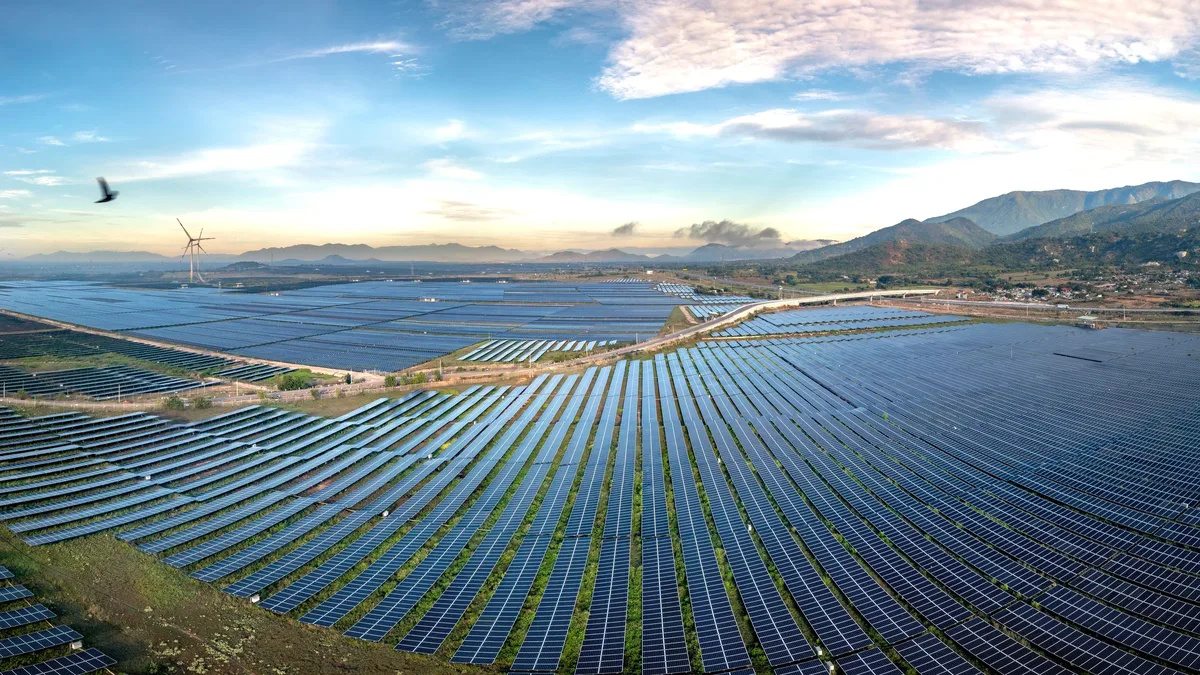
Amazon and Nadara launch 277 MW agrivoltaic farm in Sicily
Nadara has completed Italy's largest agrivoltaic facility, a 227 MW solar project in Sicily. The Big Fish project, supported by a 156 MW power...
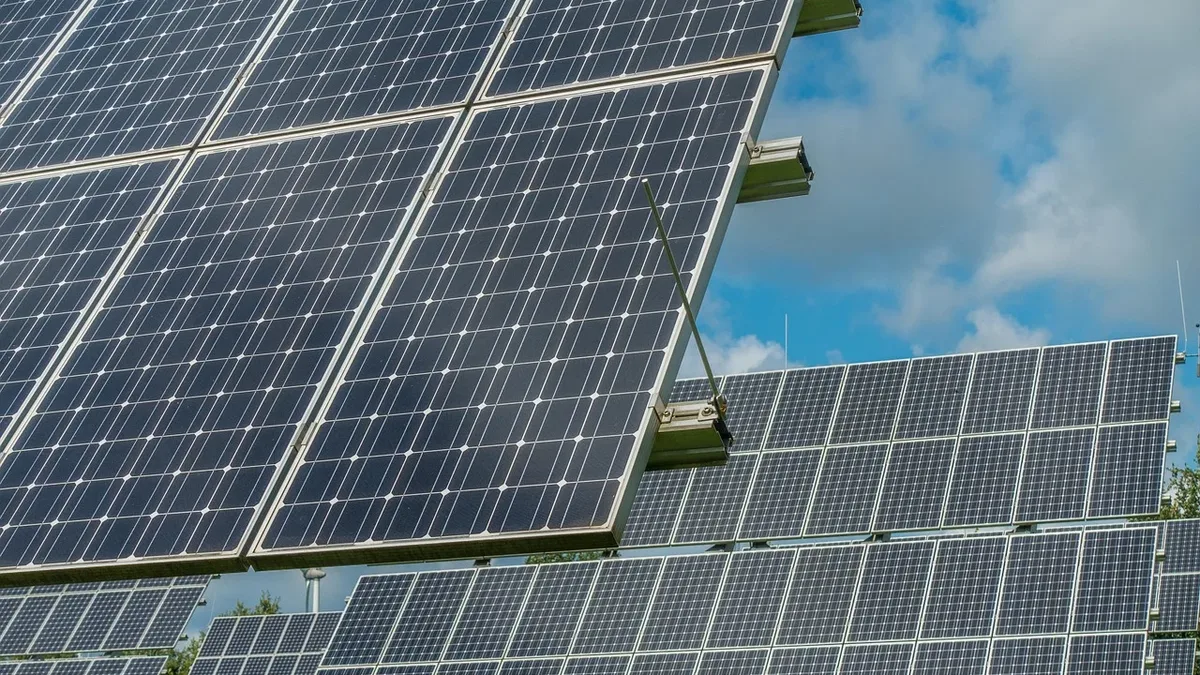
Zelestra signs 147MW solar-storage PPA with Salzgitter steel
Spanish IPP Zelestra has signed Germany's largest hybrid power purchase agreement to date with steelmaker Salzgitter Flachstahl.
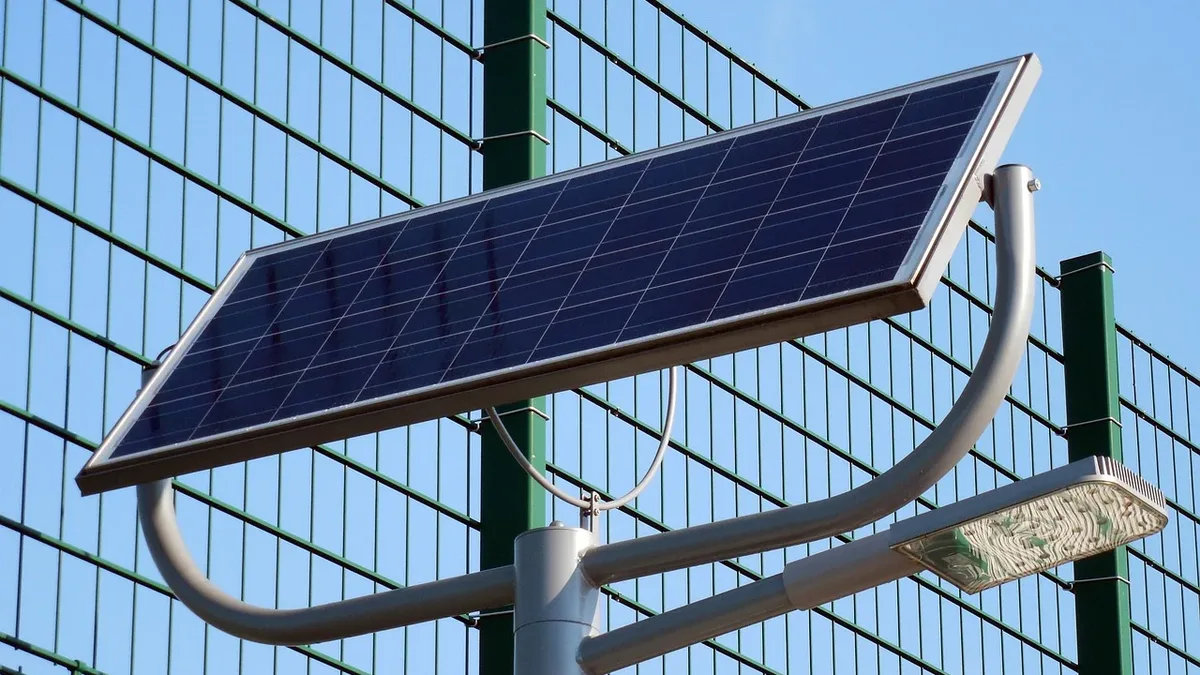
U.S. Bans new foreign solar inverters on security grounds
The U.S. FCC has banned new authorizations for foreign-produced solar inverters, citing national security risks.

Enel wins Chile's latest power auction by narrow margin
Enel Generación Chile secured 100% of the energy in Chile's latest regulated power auction, but an analysis by Aurora Energy Research reveals the...
PJM Proposes 6GW Auction to Cover Data Centre Power
Grid operator PJM has submitted a two-part plan to FERC, proposing a one-time 6GW capacity auction and shifting responsibility for new supply to large

EDF seeks approval for 4GWh pumped hydro plant in NSW
EDF Power Solutions Australia has referred its proposed Wala Wala Pumped Hydro Energy Storage project for federal environmental assessment.