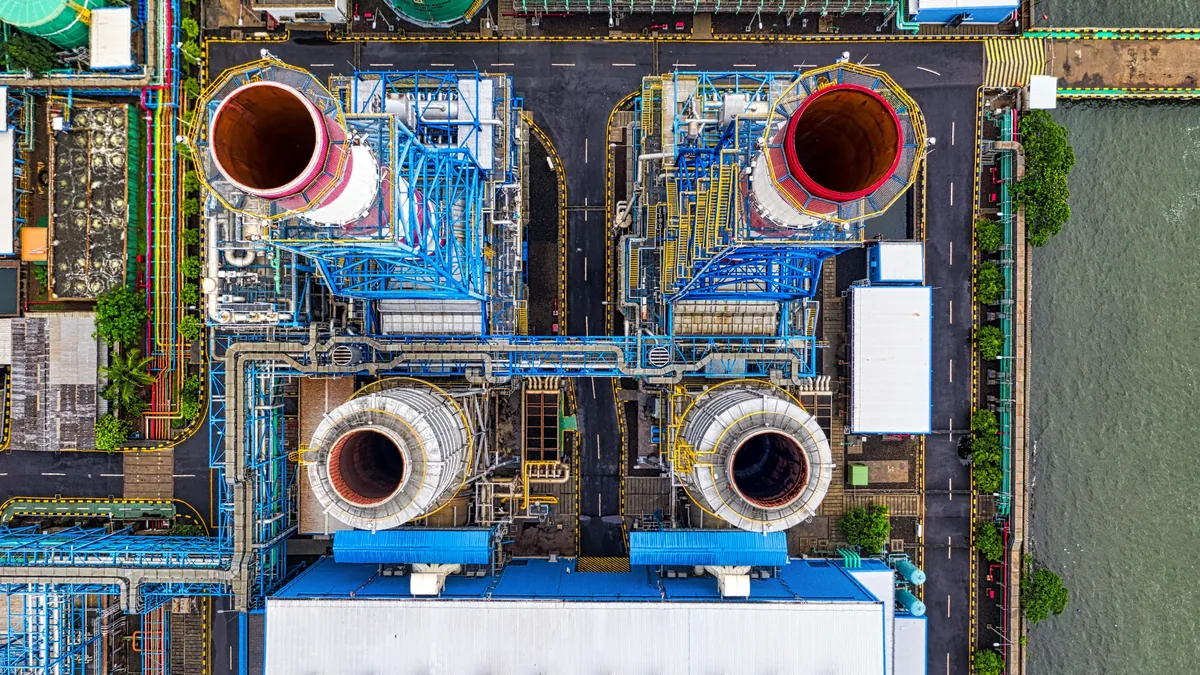
Developers And Independent Power Producers
| Country of origin | United States |
|---|---|
| First created | 1970s |
| Original use | To facilitate power purchase agreements between independent power producers and utilities |
| Primary participants | Independent power producers, electric utilities, project developers |
| Typical contract structure | Long-term power purchase agreement |
| Common energy sources | Variable by project (e.g., wind, solar, natural gas, hydro) |
| Regulatory context | Governed by federal and state energy regulations (e.g., PURPA) |
Origin and history
The concept of Developers and Independent Power Producers (IPPs) emerged in the United States during the late 20th century, fundamentally reshaping electricity markets. Prior to this period, electric power generation was predominantly the domain of vertically integrated, regulated utility monopolies. The origins are tied to the Public Utility Regulatory Policies Act (PURPA) of 1978, which mandated utilities to purchase power from qualifying facilities meeting certain efficiency and size criteria. This legislative change created the first legal and economic framework for non-utility generators to sell electricity to the grid. The model gained significant global traction in the 1990s following broader electricity sector deregulation and privatization initiatives in many countries. The IPP structure became a cornerstone of private investment in power infrastructure worldwide, particularly in developing nations seeking to expand capacity without direct government expenditure.
What it is for
The primary purpose of the Developer and IPP model is to finance, build, own, and operate electric power generation facilities outside of traditional state-owned or regulated utility frameworks. It is designed to attract private capital and expertise to the electricity sector, thereby increasing generation capacity and introducing competition. This model is specifically for executing discrete power projects, such as a natural gas-fired plant, a wind farm, or a solar park, which sell their output under long-term contracts. These contracts, typically Power Purchase Agreements (PPAs), provide revenue certainty to the project, making it bankable for lenders and investors. The structure is fundamentally for risk allocation, separating project development, construction, and operational risks from the public utility or off-taker. Ultimately, it serves to procure reliable electricity for the grid from a specialized, privately-financed entity under a predictable pricing mechanism.
Overview
A Developer and Independent Power Producer project is a complex, special-purpose vehicle established to deliver a single power generation asset. The developer is the entity that identifies the project opportunity, secures site control, navigates the permitting process, arranges financing, and manages the engineering, procurement, and construction (EPC) phase. The IPP is the long-term owner and operator of the completed facility, responsible for its commercial and technical management over a decades-long lifespan. The project's feasibility hinges on securing a long-term Power Purchase Agreement (PPA) with a creditworthy off-taker, such as a utility or large corporate buyer, which guarantees a market for the electricity. Financing is typically non-recourse or limited-recourse project finance, where lenders are repaid from the project's cash flows, not the broader balance sheet of the developer's parent company. The entire structure is governed by a dense web of contracts covering fuel supply, grid connection, operations and maintenance, and the PPA itself.
What to know
It is critical to understand that an IPP project is not a simple asset sale; it is a long-term contractual relationship with multifaceted risks. The development phase alone can take several years and requires expertise in legal, regulatory, environmental, and community engagement domains before a financial investment decision is reached. Project finance debt often constitutes 70-80% of the capital structure, making the terms of the PPA, including tariff structure and termination clauses, paramount to securing loans. Currency risk is a major consideration in many markets, as revenue may be in local currency while debt and equipment costs are in hard currencies, requiring complex hedging arrangements. Planning for end-of-life decommissioning and site restoration is increasingly a contractual and financial requirement, with funds often set aside in escrow during operations. The model is highly sensitive to political and regulatory stability, as changes in energy policy, tax incentives, or permitting rules can severely impact project economics after massive upfront capital is committed.
Common questions
A common question is how IPPs differ from traditional utilities; the key distinction is that an IPP owns a specific generation asset and sells its output under contract, while a utility typically owns the broader transmission and distribution network and has an obligation to serve all customers in a territory. Many ask who bears the risk if the project underperforms; under a non-recourse finance structure, lenders and equity investors in the project vehicle bear the loss, not the utility off-taker or the developer's parent company, provided no contractual defaults occur. People frequently inquire about what happens when the PPA expires; the IPP may then sell power on the merchant market, negotiate a new contract, or decommission the plant, depending on its economic viability. A recurring question concerns the impact on consumer electricity prices; prices under long-term PPAs are locked in, which can provide stability but may also lead to above-market costs if technology prices fall dramatically after signing. Observers often ask about the role of government guarantees; these are sometimes required to mitigate off-taker credit risk in developing markets, but they transfer contingent liabilities to the public sector.
Pros and cons
Pros: The model efficiently mobilizes large-scale private capital and specialized management skills for power infrastructure, accelerating capacity addition without direct government funding. It introduces competitive pressures on cost and performance, as developers and IPPs compete to win contracts, often leading to technological innovation and efficiency gains. The long-term, fixed-price PPA structure provides predictable revenue for investors and predictable supply costs for buyers, facilitating long-term grid planning. It allows utilities to meet demand growth or renewable targets without assuming direct construction or technology risks. The discrete project structure makes it easier to apply advanced project management and financing techniques tailored to a single asset. Cons: The complexity of development and contract negotiation leads to high transaction costs and lengthy timelines, often spanning five to ten years from conception to operation. Projects can be derailed by late-stage permit denials, local opposition, or financing shortfalls, wasting years of development investment. A common regret stems from overly optimistic resource assessments (e.g., wind speeds, solar irradiance) or performance assumptions, leading to chronic underperformance and financial distress. The model can create stranded asset risk for the off-taker if market prices fall far below the PPA price years into the contract. A frequent mistake is underestimating the long-term operations and maintenance challenges, especially in remote locations, leading to availability penalties and eroded profits. The structure can also foster disputes over force majeure events, performance benchmarks, and change-in-law provisions, resulting in costly arbitration.
Who it suits
This model suits private investment consortia, including infrastructure funds, pension funds, and specialized energy developers, seeking long-term, stable returns from essential infrastructure assets. It suits governments and utilities that need to rapidly expand generation capacity or meet clean energy targets but lack the public budget, internal expertise, or desire to take on direct project development risks. It suits technology providers and EPC contractors looking for a structured vehicle to deploy their equipment and services on a large scale with clear payment mechanisms. The model is particularly suited to mature, scalable generation technologies with predictable performance and cost profiles, such as combined-cycle gas turbines, solar PV, and onshore wind, where banks are comfortable lending. It does not suit highly experimental or first-of-a-kind technologies without a proven operational track record, as these cannot secure non-recourse project finance. It is also poorly suited to jurisdictions with weak contract enforcement, unstable regulatory regimes, or underdeveloped financial markets, as the required risk premiums can make projects unviable.
Latest Developers And Independent Power Producers news
Latest reporting
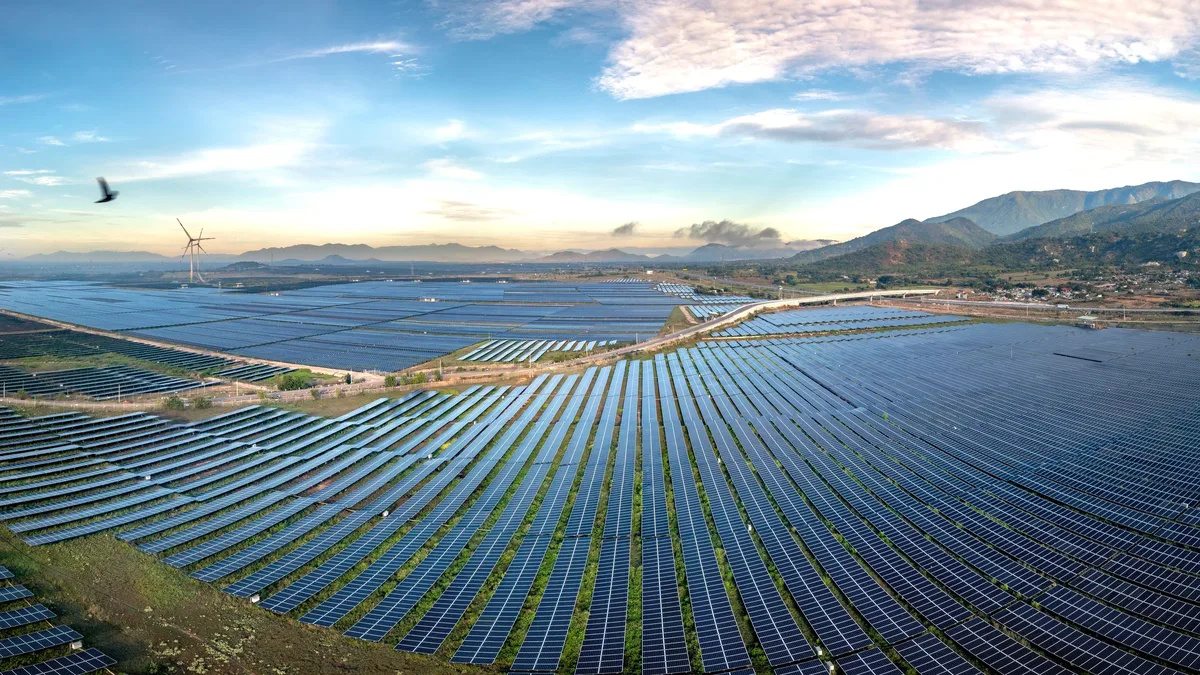
Amazon and Nadara launch 277 MW agrivoltaic farm in Sicily
Nadara has completed Italy's largest agrivoltaic facility, a 227 MW solar project in Sicily. The Big Fish project, supported by a 156 MW power...
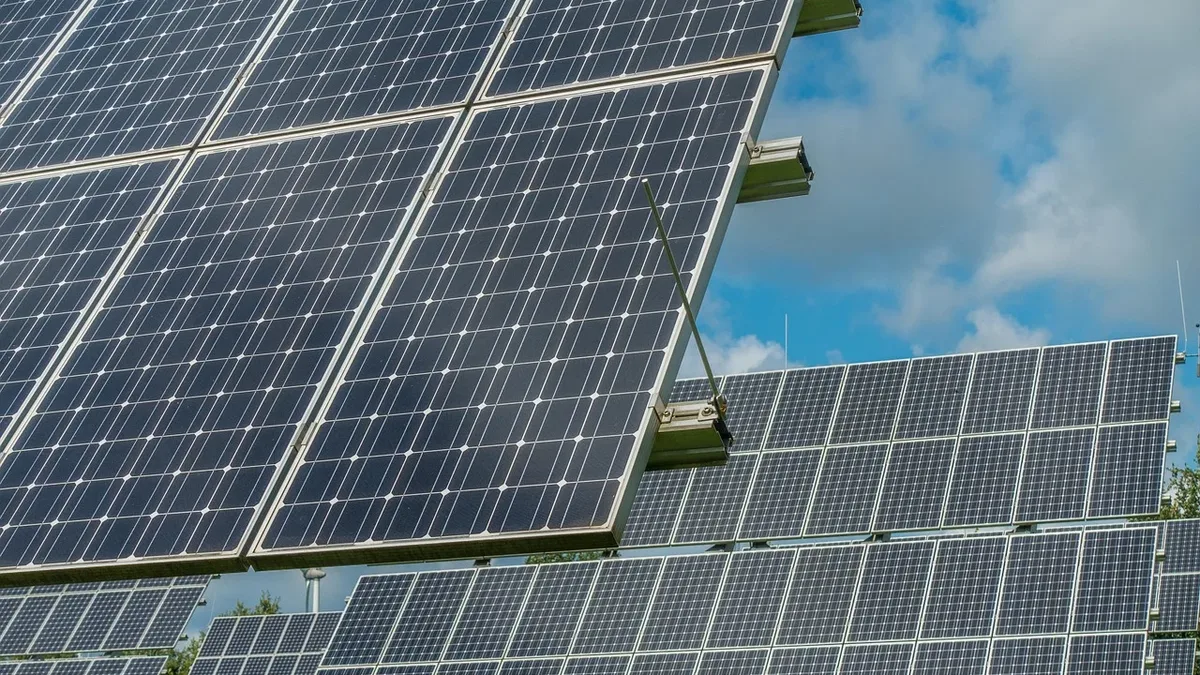
Zelestra signs 147MW solar-storage PPA with Salzgitter steel
Spanish IPP Zelestra has signed Germany's largest hybrid power purchase agreement to date with steelmaker Salzgitter Flachstahl.
Enel wins Chile's latest power auction by narrow margin
Enel Generación Chile secured 100% of the energy in Chile's latest regulated power auction, but an analysis by Aurora Energy Research reveals the...

PJM Proposes 6GW Auction to Cover Data Centre Power
Grid operator PJM has submitted a two-part plan to FERC, proposing a one-time 6GW capacity auction and shifting responsibility for new supply to large
EDF seeks approval for 4GWh pumped hydro plant in NSW
EDF Power Solutions Australia has referred its proposed Wala Wala Pumped Hydro Energy Storage project for federal environmental assessment.
Cosmic PV Power plans IPO to fund 1.1 GW
Indian solar manufacturer Cosmic PV Power has secured SEBI approval for a 640 crore rupee IPO. The company will use most of the fresh issue proceeds...