Curtailment Compensation And Deemed Generation
| Country of origin | United Kingdom |
|---|---|
| First created | 2010s |
| Original use | Compensating renewable generators for grid-ordered output reductions |
| Governing body | Ofgem (Office of Gas and Electricity Markets) |
| Applies to | Renewable energy generators under specific support schemes |
| Compensation basis | Deemed generation (calculated, not metered) |
| Payment source | Levy on electricity suppliers |
Origin and history
Curtailment Compensation and Deemed Generation is a regulatory and financial mechanism that originated in electricity markets with high shares of variable renewable energy, such as wind and solar power. Its development can be traced to the first decades of the 21st century, particularly in European countries that were early adopters of ambitious renewable energy targets. The concept emerged as a direct response to the operational challenges faced by grid operators when renewable generation exceeded grid capacity or demand. Initial frameworks were established in jurisdictions like Germany and parts of the United States during the 2010s as a means to protect generator revenue and encourage investment. The policy design evolved from simpler compensation schemes into more sophisticated market-based instruments. Its history is intertwined with the broader global shift towards decentralised and intermittent generation sources.
What it is for
This mechanism is fundamentally designed to address the economic risk for generators when their output is deliberately reduced or "curtailed" by the grid system operator for system stability. Its primary purpose is to provide financial certainty to renewable energy project developers and investors, making projects bankable despite their intermittent nature. It serves to compensate asset owners for lost revenue when their otherwise available generation is not utilized due to grid constraints or oversupply. Furthermore, it aims to facilitate the integration of large volumes of renewable energy into the grid by providing a clear economic signal and a managed process for curtailment. The mechanism also functions to prevent legal disputes between generators and system operators by establishing a transparent, rules-based compensation process. Ultimately, it is for maintaining investor confidence in the renewable energy sector while granting system operators the necessary flexibility to manage the grid securely.
Overview
Curtailment Compensation is a payment made to a generator when the system operator instructs it to reduce its output below what it could physically produce at that time. Deemed Generation is a related contractual or regulatory concept where, for the purposes of payment, the generator is considered to have generated a certain amount of electricity even though it was not actually fed into the grid. These mechanisms are typically defined within a Power Purchase Agreement (PPA), a government-backed feed-in tariff scheme, or specific grid codes. The compensation is often calculated based on a pre-agreed price, which could be the contracted tariff rate or a market reference price, multiplied by the amount of curtailed energy. The process usually requires precise metering and verification to confirm the generator was available and capable of producing the curtailed energy. This framework creates a hybrid revenue model for generators, combining payments for actual energy delivered with compensation for energy that was available but not used.
What to know
It is critical to understand that curtailment compensation is not a payment for generated electricity, but rather for the *option* to generate that the system operator has called upon. The specific triggers for compensation, such as grid congestion, voltage issues, or system oversupply, are strictly defined in the governing contract or regulation. The calculation methodology for "deemed" energy can vary significantly, sometimes using historical output patterns or real-time meteorological data to estimate the lost generation. These schemes often include caps or limits on the total amount of compensation payable per year to control costs for off-takers or consumers. The presence of a robust curtailment compensation regime can directly impact a project's debt financing, as lenders assess the stability of revenue streams under various grid scenarios. One must also distinguish between compensated curtailment, which is a managed system service, and "economic" curtailment, where a generator voluntarily reduces output because market prices are too low, which is typically not compensated.
Common questions
A common question is who ultimately pays for curtailment compensation, with the cost typically being socialized across electricity consumers or specific off-takers through tariffs or levies. Many ask how often curtailment occurs, which is highly location-dependent and increases in areas with weak grid infrastructure or extremely high concentrations of similar renewable resources. Project developers frequently inquire whether compensation covers 100% of lost revenue, which is often not the case, as some schemes may compensate only for the energy component and not for lost subsidies or renewable energy certificates. A recurring question is about the duration of curtailment events, which can range from minutes to several hours, and whether compensation applies from the first minute or only after a certain threshold. Stakeholders also commonly seek clarity on the dispute resolution process if there is disagreement between the generator and system operator over the cause or volume of curtailment. Finally, there is often confusion about the interaction between curtailment compensation and other market mechanisms like balancing services or capacity markets.
Pros and cons
A significant pro is that it de-risks investment in renewable energy, lowering the cost of capital and enabling more projects to be built, which accelerates the energy transition. It provides a fair and predictable revenue backstop for generators who are following dispatch instructions for the good of the overall system. For grid operators, it creates a formal, compensated tool for managing system stability without facing constant legal challenges from generators. A major con is that it can create a perverse incentive where generators have reduced motivation to locate projects in areas with robust grid connections or to invest in technologies that provide system flexibility. The costs, often passed to consumers, can become substantial in systems with poor grid planning and very high renewable penetration, leading to public and political backlash. A common mistake is for project developers to over-rely on compensation revenue in their financial models, not anticipating that frequent curtailment signals underlying grid problems that may also depress overall market prices for their actual generation.
Who it suits
This mechanism suits renewable energy project developers and independent power producers who require long-term revenue certainty to secure project financing from risk-averse banks and institutional investors. It is particularly critical for large-scale wind and solar farms in remote areas or regions where grid reinforcement is lagging behind generation development. The framework suits system operators and regulators in jurisdictions committed to high renewable targets, as it provides a necessary political and economic compromise to enable growth while managing grid constraints. It is less suited to merchant projects selling purely on short-term spot markets, as these typically bear all curtailment risk themselves. The mechanism also suits corporate or utility off-takers who want to sign long-term PPAs for renewable energy but need the contractual flexibility to allow the system operator to manage the grid. Ultimately, it is a tool for mature electricity markets undergoing a structured transition, rather than for systems with minimal renewable penetration or entirely state-controlled, vertically integrated utilities.
Latest Curtailment Compensation And Deemed Generation news
Latest reporting

BIPV Façade Study Reveals Grid and Economic Benefits
A global IEA study of 357 BIPV configurations finds vertical façades smooth solar generation curves and improve economic viability by displacing
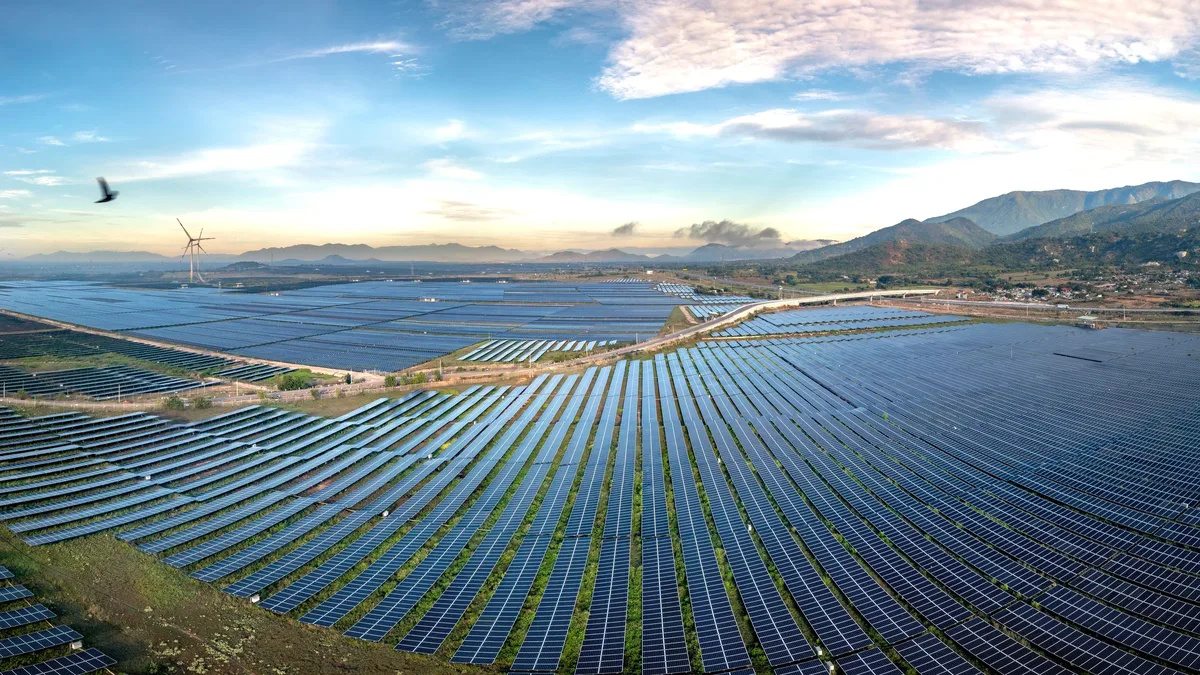
Amazon and Nadara launch 277 MW agrivoltaic farm in Sicily
Nadara has completed Italy's largest agrivoltaic facility, a 227 MW solar project in Sicily. The Big Fish project, supported by a 156 MW power...
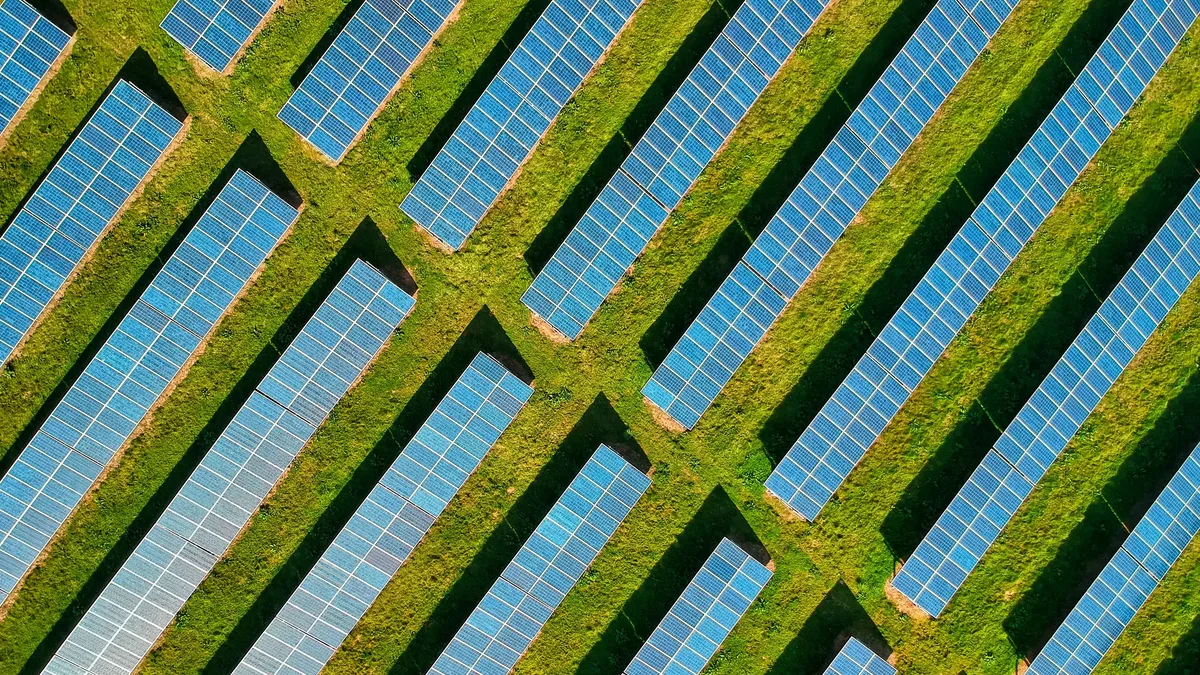
Australian Solar Farms Set State Records in August 2026
Utility-scale solar generation hit monthly highs in three Australian states in August 2026, while curtailment of solar output fell significantly...
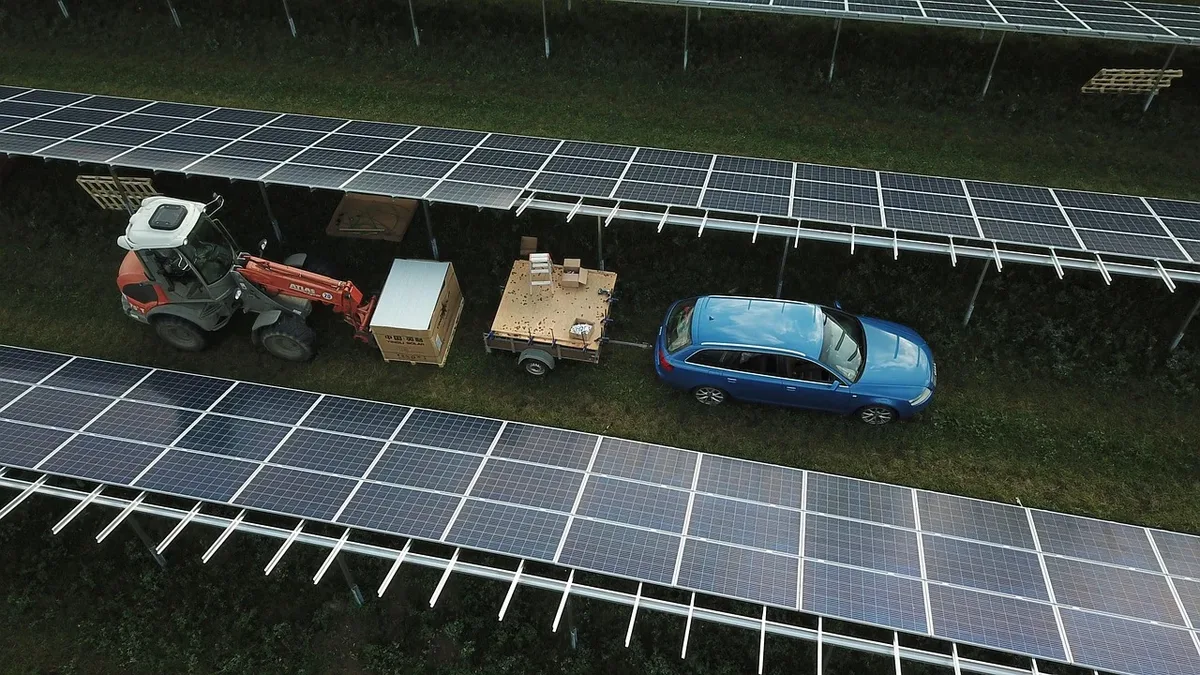
Tesla Begins Megapack 3 Production in Texas
Tesla has started manufacturing its next-generation Megapack 3 battery storage system at a new Texas facility, aiming for 50GWh annual capacity.
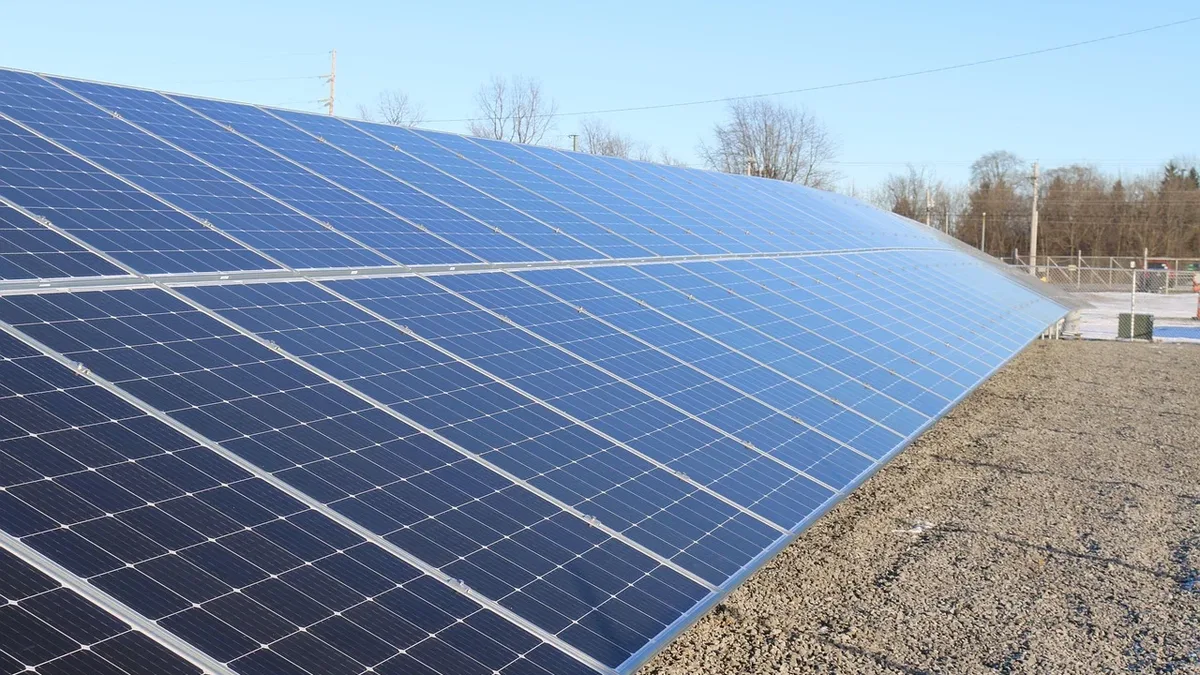
Swiss agrivoltaics stalled at 0.0% of PV
A ZHAW report finds legal barriers and a rooftop focus have left Swiss agrivoltaics with fewer than 100 installations, despite a theoretical...
SA Power Networks to Test Emergency Solar Shutdown Capability
SA Power Networks will conduct an annual test of South Australia's rooftop solar curtailment system to ensure grid stability during emergencies