Concentrated Solar Power With Thermal Storage
| Technology type | Concentrated Solar Power (CSP) with integrated thermal energy storage |
|---|---|
| Primary energy conversion | Solar thermal to electrical (via steam turbine) |
| Storage medium | Molten salt (typically nitrate salt mixture) |
| Storage function | Decouples thermal energy collection from electricity generation |
| Dispatchability | Can generate electricity on demand, including after sunset |
| Typical storage duration | 6 to 15 hours (project-dependent) |
| Typical operating temperature | ~565°C (for nitrate salt systems) |
| Project status | Under construction |
Origin and history
The fundamental concept of concentrating sunlight to generate heat dates back to ancient civilizations, but Concentrated Solar Power (CSP) with thermal storage as a modern power generation technology originated in the late 20th century, primarily in the United States and Europe. The first commercial CSP plants, built in the 1980s in California's Mojave Desert, used parabolic trough technology to generate electricity directly from solar heat without storage. The integration of large-scale thermal energy storage emerged as a critical development in the following decades to address the intermittency of solar radiation. Spain became a global leader in deploying the technology during a boom period in the 2000s, with several plants incorporating molten salt storage. Research and development into thermal storage mediums and more efficient concentrator designs continued into the 21st century. The technology's evolution has been driven by the need for dispatchable renewable energy that can supply power after sunset.
What it is for
Concentrated Solar Power with Thermal Storage is engineered to generate electricity on demand, day or night, using stored solar heat as its fuel. Its primary purpose is to provide a dispatchable and renewable alternative to fossil-fuel-powered peaking and intermediate-load power plants. The technology is specifically designed to address the key limitation of photovoltaic solar panels, which is their inability to produce power without immediate sunlight. By storing thermal energy, these plants can continue to generate electricity during evening peak demand periods, after sunset, or through periods of cloud cover. This makes the technology particularly valuable for stabilizing electrical grids with high shares of variable renewable energy sources like wind and PV solar. Consequently, it serves as a tool for utilities and grid operators seeking to reduce carbon emissions while maintaining grid reliability and security of supply.
Overview
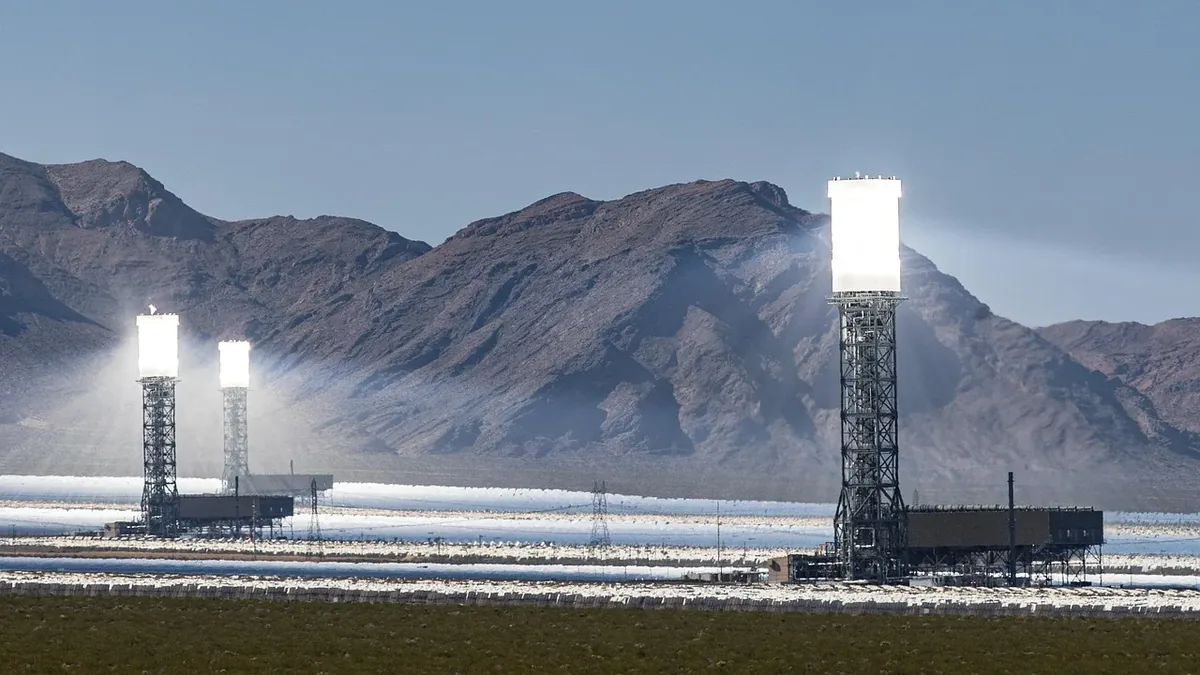
Concentrated Solar Power with Thermal Storage uses mirrors to focus a large area of sunlight onto a small receiver, converting solar energy into high-temperature thermal energy. The focused heat is transferred to a fluid, typically synthetic oil or molten salt, which then passes through a heat exchanger to produce steam. This steam drives a conventional turbine and generator to produce electricity, identical to the process in coal or nuclear plants. The defining component is the integrated thermal energy storage system, which allows a portion of the collected heat to be stored in an insulated tank filled with a medium like molten salt. When electricity is needed, the stored hot medium is dispatched through the heat exchanger to create steam and generate power. A complete facility consists of the solar field (heliostats or troughs), the receiver, the thermal storage system, the power block (turbine/generator), and a cooling system.
What to know
The most common configurations are parabolic trough systems, where long curved mirrors focus sun onto a receiver tube, and central tower (power tower) systems, where a field of flat mirrors directs light to a central receiver atop a tower. The thermal storage medium is almost exclusively a mixture of nitrate salts (potassium nitrate and sodium nitrate), which can remain liquid at high temperatures for extended periods. The storage capacity is measured in hours of full-power output, typically ranging from 6 to 15 hours for commercial plants, allowing for significant evening and night-time generation. These plants have a high capital cost compared to photovoltaic solar farms, largely due to the complex mirror systems, heat transfer infrastructure, and storage tanks, though costs have been decreasing. They are most economically viable and efficient in regions with very high direct normal irradiance (DNI), such as deserts in the southwestern United States, North Africa, the Middle East, and parts of South America. Water usage for cooling the steam cycle can be significant, though dry cooling systems are an option that reduce water consumption at the cost of lower efficiency and higher cost.
Common questions
How is this different from regular solar panels? Photovoltaic panels convert sunlight directly into electricity using semiconductor materials, while CSP uses heat to drive a traditional steam turbine, and its key advantage is the integrated thermal storage for on-demand power. What happens when it is cloudy? The thermal storage provides a buffer, and plants are designed with sufficient storage capacity to bridge several hours of reduced solar input, though prolonged cloud cover will reduce output. Why are these plants so large? Achieving the high temperatures necessary for efficient thermal generation and storage requires a vast area of mirrors to concentrate enough sunlight, leading to footprints hundreds of times larger than equivalent PV plants. Is the storage technology safe? Molten salt storage is considered a stable and safe technology at scale, though it requires careful system design to prevent freezing in pipes and to manage the high operating temperatures. Can it work anywhere? No, it requires locations with very strong, consistent direct sunlight, as diffuse light (common in cloudy regions) cannot be effectively concentrated, making site selection critical. How long do the plants last? The major components, particularly the solar field and storage tanks, are designed for a lifespan of 25 to 40 years, with ongoing maintenance of the mirror field being a significant operational task.
Pros and cons
A primary advantage is the ability to provide dispatchable, renewable baseload or peaking power, integrating seamlessly into existing grid infrastructure due to its use of conventional turbine technology. The thermal storage is a significant benefit, as it decouples electricity generation from the immediate availability of sunlight, providing grid stability and enabling higher renewable penetration. The technology also has a relatively high capacity factor compared to PV without storage, often exceeding 50% in optimal locations. A major disadvantage is the very high initial capital cost and levelized cost of energy, which historically has been significantly higher than that of photovoltaic solar and wind power. Construction and commissioning are complex and time-consuming, taking several years, which introduces financial and regulatory risk. Common operational challenges include the degradation of mirror reflectivity, the need for precise mirror alignment and cleaning, and the parasitic energy load required to keep the molten salt system from freezing, which can reduce net output. Projects can face strong local opposition due to their large land footprint, high water consumption if using wet cooling, and potential impacts on desert ecosystems and wildlife.
Who it suits
This technology suits national governments or utilities with strong solar resources and strategic goals for energy security and grid decarbonization, particularly those aiming to reduce dependence on imported fossil fuels. It is appropriate for large-scale, centralized power generation in regions with exceptionally high direct normal irradiance, such as arid and semi-arid desert belts around the world. It suits grid operators and planners who need to manage evening peak demand periods and require firm, schedulable capacity to balance the variability of wind and photovoltaic solar generation. The technology is less suited to countries or regions with limited land availability, lower solar resources, or humid/cloudy climates where diffuse radiation predominates. It is generally not suited to distributed, small-scale generation due to its inherent economies of scale and complexity. It may not suit markets where the lowest short-term electricity cost is the sole priority, unless significant policy support or long-term offtake agreements are in place to mitigate the high initial investment.
Latest Concentrated Solar Power With Thermal Storage news
Latest reporting
Adani Green Energy expands Khavda battery storage to 6.63
Adani Green Energy Ltd has expanded its operational battery storage capacity at Khavda, Gujarat, to 6.63 GWh within 14 months, now representing over...
U.S. Energy Storage Market Hits Record 18.9 GWh in Q2 2026
The U.S. Energy storage market deployed a record 18.9 GWh of capacity in the second quarter of 2026, driven by utility-scale growth and a shift toward
EnergyPathways advances MESH salt cavern storage for UK grid
EnergyPathways is developing the Marram Energy Storage Hub (MESH), a 300 MW/55.2 GWh compressed air energy storage project in salt caverns under the...

BIPV Façade Study Reveals Grid and Economic Benefits
A global IEA study of 357 BIPV configurations finds vertical façades smooth solar generation curves and improve economic viability by displacing
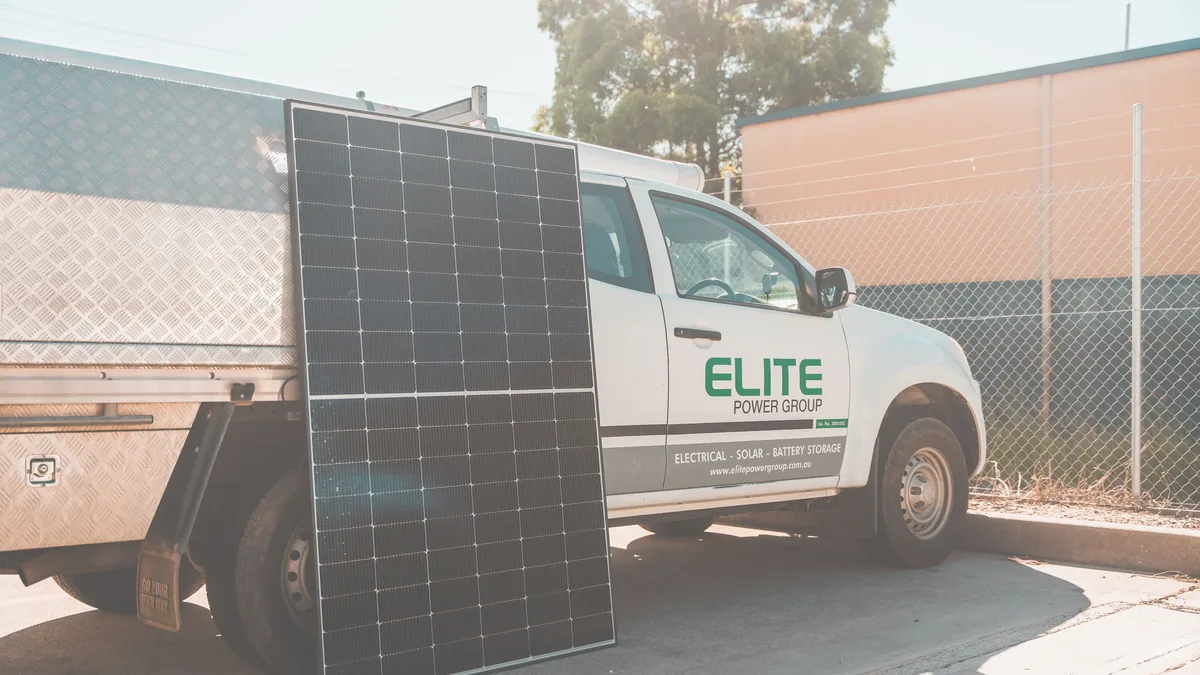
CertainTeed Launches Landmark PWR Solar Shingle System
CertainTeed has launched the Landmark PWR, an 85 W building-integrated photovoltaic shingle system designed to replace rack-mounted solar arrays with...
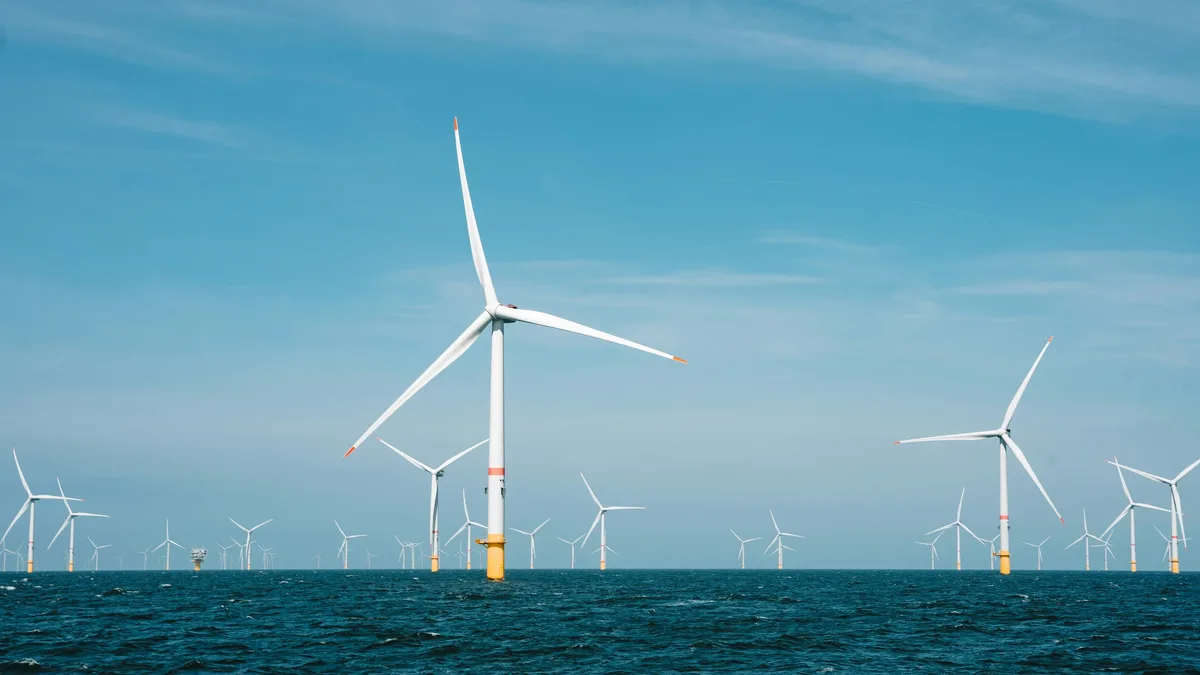
Tekmar secures €6 million offshore wind
Tekmar Group has won a €6 million contract extension to supply cable protection systems for a European offshore wind project, with manufacturing set...