Co Located Solar Plus Storage
Origin and history
The concept of co-locating solar photovoltaic (PV) arrays with battery energy storage systems (BESS) emerged in the early 21st century, primarily in regions with high solar penetration and advanced electricity markets. The United States, Germany, and Australia were among the early adopters, driven by the need to manage solar's intermittent output. Initial projects in the late 2000s and early 2010s often involved retrofitting storage to existing solar farms to address grid stability concerns. The technology's development accelerated in the 2010s as battery costs declined and grid operators recognized the value of combined generation and dispatchable capacity. Regulatory frameworks in countries like the UK and the US began to specifically support hybrid resource projects through market rules and incentives. This evolution transformed co-located solar-plus-storage from a niche demonstration into a mainstream utility-scale project configuration.
What it is for
Co-located solar-plus-storage is primarily for optimizing the grid integration and economic value of solar photovoltaic generation. It allows solar energy produced during the day to be stored and discharged during evening peak demand periods, shifting energy delivery to more valuable times. The configuration provides essential grid services, such as frequency regulation and voltage support, to maintain network stability as renewable penetration increases. It is also used to firm up solar power output, making it more predictable and reliable for grid operators compared to standalone solar. On a project level, it serves to maximize revenue by participating in multiple electricity market products, including energy arbitrage and capacity payments. Furthermore, it can reduce grid connection costs and mitigate curtailment risks by ensuring locally generated power can be stored when transmission lines are congested.
Overview
A co-located solar-plus-storage project consists of a solar photovoltaic array and a battery energy storage system installed at the same site, sharing a single grid interconnection point. While the solar panels and battery containers are distinct physical systems, they are electrically coupled and often under unified control. The solar array converts sunlight into direct current (DC) electricity, which is inverted to alternating current (AC) for the grid or for charging the batteries. The battery system, typically using lithium-ion technology, stores energy in DC form and uses its own power conversion system to interface with the AC collection system. Project layouts vary, with some using a DC-coupled architecture where solar directly charges the batteries, and others using an AC-coupled design where both systems connect to a common AC bus. The entire facility is managed by an advanced controller that decides in real-time whether to send solar generation to the grid, to the batteries, or to do both simultaneously based on market signals or grid needs.
What to know
The financial viability of these projects heavily depends on local electricity market structures and the availability of revenue streams for storage services, which vary significantly by region. Key technical considerations include the storage capacity relative to solar generation (often expressed as hours of storage) and the chosen coupling architecture (AC or DC), which impacts efficiency and cost. Interconnection and permitting processes can be more complex than for standalone solar, as they must account for the bidirectional power flow and increased nameplate capacity of the combined facility. These projects are not islandable microgrids; they are designed to support the bulk power system and typically shut down during a wider grid outage for safety reasons. The operational lifespan of the battery system (often 10-15 years) may not align with the solar array's lifespan (20-30 years), requiring lifecycle planning for replacement. Environmental permitting must address the full footprint, including potential impacts from battery containment systems and thermal management.
Common questions
A common question is whether the batteries are only charged by the adjacent solar panels, and the answer is that while primarily solar-charged, most systems can also charge from the grid if economically advantageous, depending on market rules. People often ask about the typical size of the battery, which ranges widely from one hour of the solar farm's output to four or more hours, based on the specific grid service being targeted. Many inquire about safety, given concerns over battery fires, and projects employ extensive battery management systems, thermal controls, and fire suppression infrastructure meeting strict codes. A frequent question is about the difference between co-location and true hybrid systems, with the key distinction being whether they share a single interconnection point or have separate ones. Users question the environmental impact of the batteries, which involves responsible sourcing of materials, recycling plans, and a lifecycle analysis that compares the system to fossil fuel alternatives. Finally, people ask if these systems provide backup power to nearby communities, which they generally do not, as they are utility-scale assets designed for bulk power delivery, not local reliability.
Pros and cons
A significant pro is the ability to capture higher energy prices by shifting solar generation from low-price midday periods to high-price evening peaks, directly boosting project revenue. The configuration also provides valuable ancillary services, creating additional income streams that standalone solar cannot access. By sharing land, grid connection, and some balance-of-system costs, co-location can reduce overall capital expenditure compared to building two separate facilities. A major con is the increased technical and operational complexity, requiring sophisticated control systems and expertise in both solar and storage technologies, which can raise O&M costs. Project economics are highly sensitive to volatile electricity market prices and evolving policy support; a shift in market rules can swiftly undermine the business case. A common regret involves undersizing the storage duration or power rating relative to market opportunities, locking in a suboptimal configuration for a project's 20-year life. The most frequent mistake is underestimating the interconnection study and upgrade costs, as the combined facility's potential export and import capacity can strain existing grid infrastructure.
Who it suits
This technology suits utility-scale developers and independent power producers operating in deregulated electricity markets with clear price signals for energy and capacity. It is appropriate for regions with high solar penetration already experiencing daytime over-generation and consequent curtailment or negative pricing events. Grid operators and utilities seeking to integrate more renewables while maintaining reliability are key adopters, as these projects provide dispatchable clean power. The configuration suits sites with good solar resources but constrained grid interconnection capacity, as storage can limit peak export and maximize the use of the available connection. It is less suited to regions with simple, flat-rate feed-in tariffs for solar that offer no value for time-shifted delivery or grid services. The technology also suits investors with a higher risk tolerance who can navigate the evolving regulatory and market landscapes governing hybrid resources.
Latest Co Located Solar Plus Storage news
Latest reporting
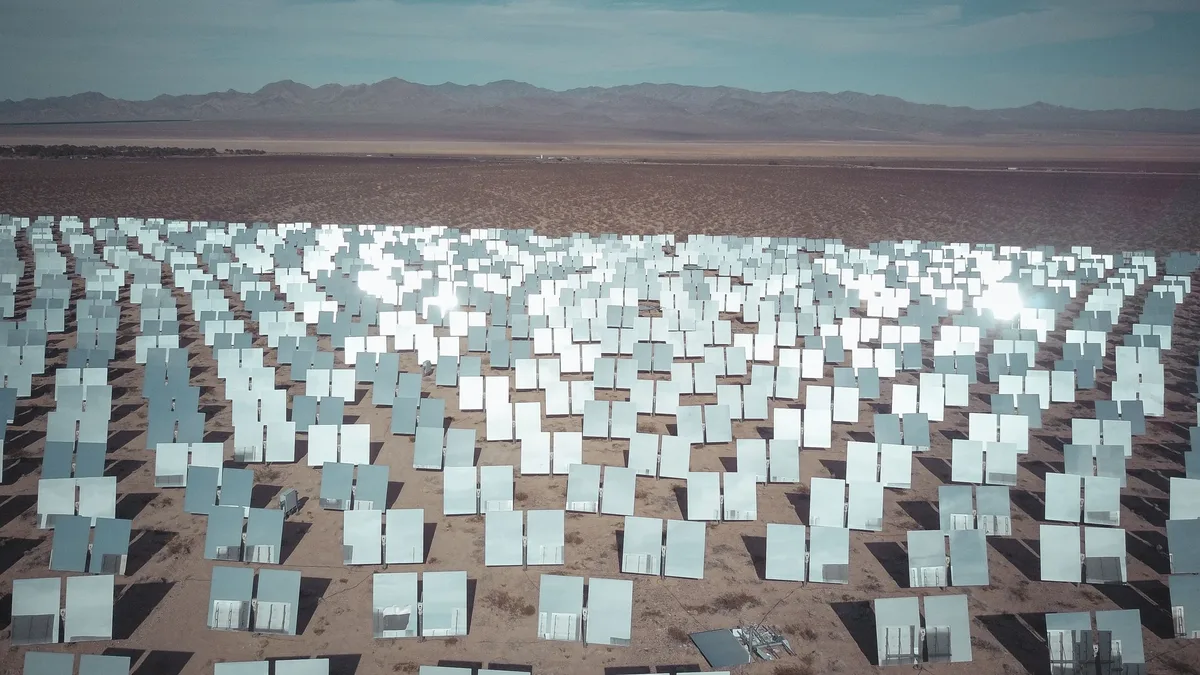
Adani Green Energy expands Khavda battery storage to 6.63
Adani Green Energy Ltd has expanded its operational battery storage capacity at Khavda, Gujarat, to 6.63 GWh within 14 months, now representing over...

U.S. Energy Storage Market Hits Record 18.9 GWh in Q2 2026
The U.S. Energy storage market deployed a record 18.9 GWh of capacity in the second quarter of 2026, driven by utility-scale growth and a shift toward

EnergyPathways advances MESH salt cavern storage for UK grid
EnergyPathways is developing the Marram Energy Storage Hub (MESH), a 300 MW/55.2 GWh compressed air energy storage project in salt caverns under the...

BIPV Façade Study Reveals Grid and Economic Benefits
A global IEA study of 357 BIPV configurations finds vertical façades smooth solar generation curves and improve economic viability by displacing
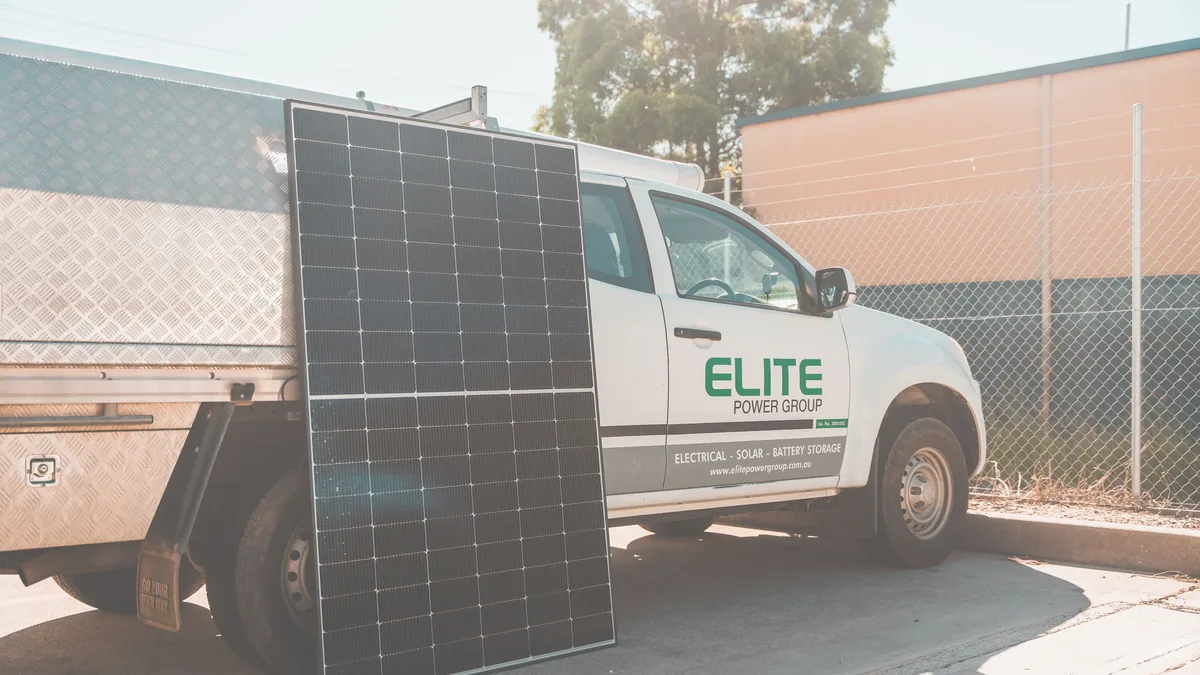
CertainTeed Launches Landmark PWR Solar Shingle System
CertainTeed has launched the Landmark PWR, an 85 W building-integrated photovoltaic shingle system designed to replace rack-mounted solar arrays with...
India's Solar Manufacturing Surge Faces Cell Supply
India added 50.6GW of solar module and 9.7GW of cell capacity in H1 2026, but a critical shortage of domestic cells is slowing production and project