Trump bans inverter, BESS, transformer
President Trump has issued an executive order banning imports of inverters, transformers, and battery energy storage systems from sanctioned countries
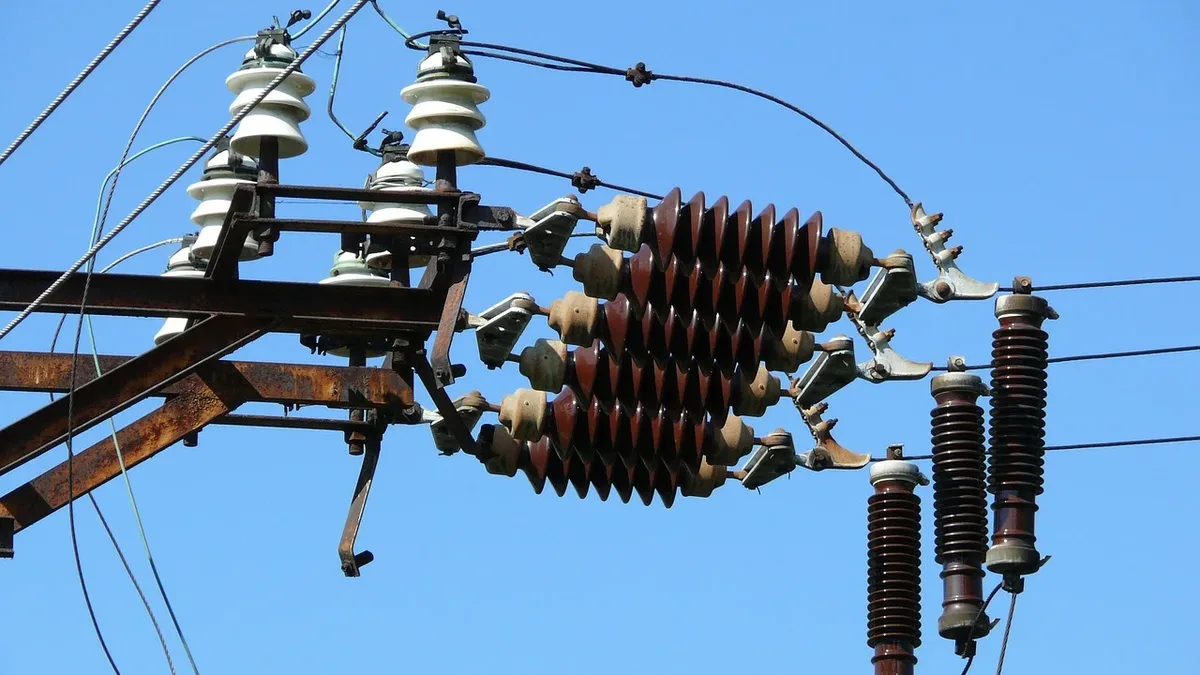
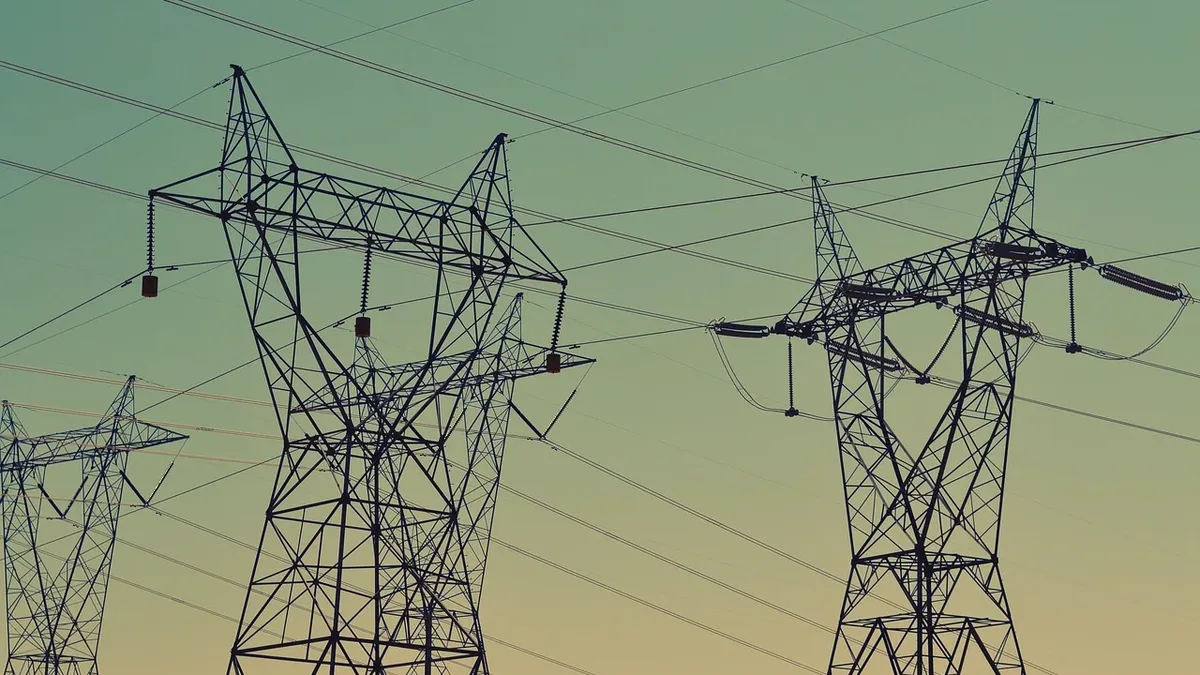
President Donald Trump has declared a national emergency and banned the import of certain power equipment from 24 sanctioned nations, citing an "unusual and extraordinary threat" to the U.S. grid. The executive order, issued yesterday, specifically targets grid-connected inverters, transformers, and battery energy storage systems (BESS) that interact with transmission lines of 69kV or greater.
According to the order, the action is a response to foreign actors increasingly exploiting vulnerabilities in the bulk-power system. The ban applies to equipment originating from countries on U.S. arms embargo and sanctions lists, most notably China, or from entities owned or controlled by them. This mirrors existing rules concerning Foreign Entities of Concern (FEOC).
Scope and Implementation Timeline
The prohibition is not yet active. The Department of Energy has 120 days to publish implementation rules. A key point is that the order will only cover transactions "initiated" after August 26, 2026. Also, a transaction will not be barred until the DOE determines the specific equipment poses an "unacceptable risk" to national security based on cybersecurity, sabotage, or remote access concerns.
Questions and Potential Measures
Questions surround the DOE's implementation approach. Law firm Norton Rose Fulbright suggested the department may create a white list of pre-qualified vendors or establish a licensing process for power companies. The firm also noted the DOE "could order equipment already in use to be isolated, monitored or removed," and may pursue more stringent measures.
Broader Regulatory Context and Impact
The executive order follows heightened regulatory focus on power equipment imports. Last month, the Federal Communications Commission banned foreign-made inverters from U.S. power plants on national security grounds. Inverters, as digital systems controlling renewable energy plants, are considered particularly vulnerable. Producers can remotely control them, creating potential entry points for hackers or hostile states.
This executive order goes further than the FCC ruling, encompassing a far wider range of technologies and equipment, including BESS. The order comes amid increased scrutiny on both trade policy and cybersecurity in US solar. Industry analysts have previously examined how the market might adapt to potential restrictions on inverter supply. The full implications will depend on the specific rules the DOE crafts over the next four months. For related data, see our stats on market trends and our standings on regulatory developments.