Eos draws US$87 million DOE loan for Pennsylvania battery
Eos Energy Enterprises has received an US$87 million loan advance for its Pennsylvania battery factory, while FlexGen and Lightshift expand their
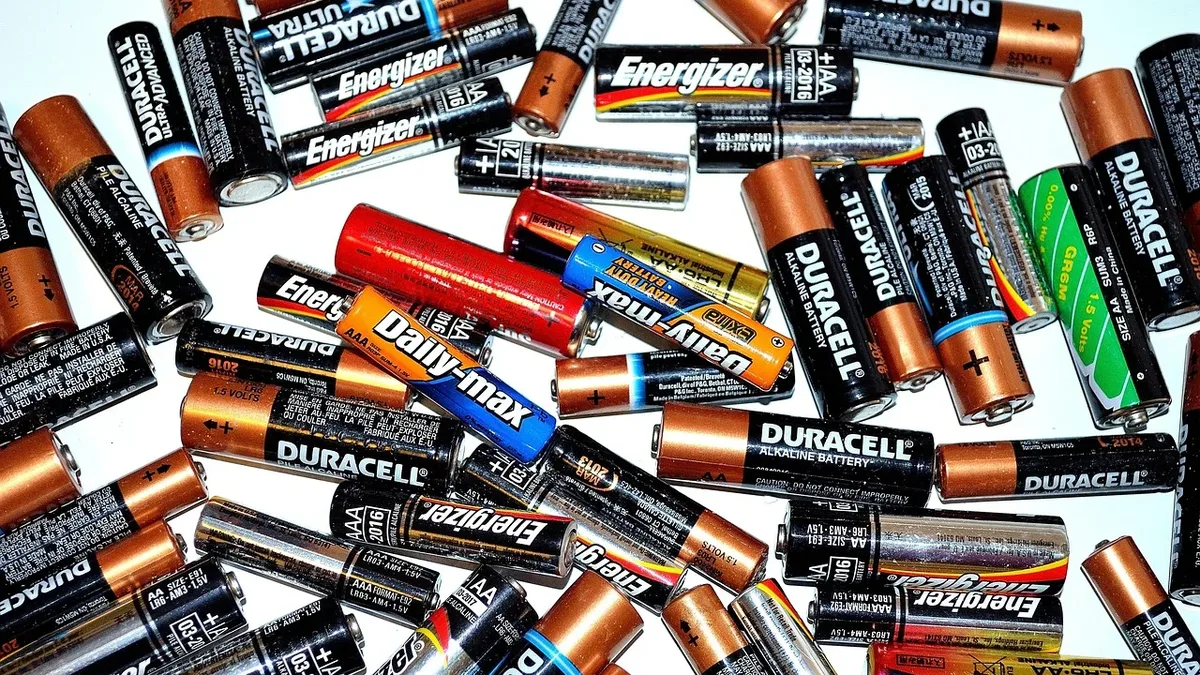
Zinc battery manufacturer Eos Energy Enterprises has drawn an US$87 million advance from its loan facility with the US Department of Energy. The funds, announced on September 14, reimburse 80% of eligible costs for the company's Thorn Hill manufacturing plant in Warrendale, Pennsylvania.
Eos has now drawn roughly US$178 million from the DOE since 2024. The company's Line 2 at the Pennsylvania facility entered commercial production in June 2026 and is ramping towards an annual capacity of approximately 2GWh.
Manufacturing Expansion and Projects
Upon relocating its existing Line 1 to the same site, subject to approvals, Eos expects the Thorn Hill facility to reach about 4GWh of total annual manufacturing capacity. The company stated it is creating jobs across four shifts to staff Line 2 as it scales up production.
In a separate project earlier this month, developer MN8 Energy and Google announced the Mammoth Solar project in West Virginia. It will combine 86MW of solar with 10MW/100MWh of Eos's zinc-based long-duration storage and a 70MW/280MWh lithium-ion battery.
In July, Eos also received a Golden Dome for America contract from the US Department of Defense to integrate its long-duration storage for national defence. The company will deploy its Z3 solution for the initiative announced by President Trump, though the source notes the project's completion and delivery remain highly uncertain.
FlexGen and Lightshift Expand Partnership
Software integrator FlexGen Power Systems and developer Lightshift Energy are expanding their partnership to 16 battery energy storage system projects. Announced on September 16, six projects are already operational with ten more under construction in Massachusetts, Virginia, and Vermont.
The operational projects deliver over 25MW/85MWh of capacity to the PJM and ISO-NE markets. The projects under construction will add more than 55MW/200MWh.
Lightshift owns and operates the projects, while FlexGen provides software and services, including its HybridOS energy management system. The partnership began in 2024 with a project in Groton, Massachusetts. The companies recently completed an integration at a facility in Danville, Virginia, which provides capacity to Danville Utilities.
FlexGen and Lightshift claimed that through upgrades to the battery and energy management systems, plus battery augmentation, they enhanced the Danville site's capacity by 14%. This delivered additional grid stability and extended the asset's lifespan, they said.
The companies plan further projects, including a second 11MW project with Danville Utilities. The HybridOS software will manage the ten projects under construction and is compatible with more than 80 configurations of batteries and power conversion systems.
Georgia Power Energises 128MW Storage Facility
Utility Georgia Power has brought its 128MW Robins Battery Facility into commercial operation near Warner Robins, Georgia. Announced on September 15, the four-hour duration facility (512MWh) is paired with the nearby Robins Solar Facility.
A ceremony marked the operation with state and local officials and leaders from Robins Air Force Base in attendance. Burns & McDonnell served as the engineering, procurement, and construction contractor, delivering the project on schedule.
The Robins battery is one of four projects approved in Georgia Power's 2023 Integrated Resource Plan update. The utility has completed storage facilities in Cherokee and Lowndes counties totalling 579.5MW and is nearing completion of a 57.5MW facility in Floyd County.
The Georgia Public Service Commission has approved nine additional battery facilities across eight sites, adding more than 3,000MW of storage capacity. Sites were chosen for their ability to support grid operations efficiently. Georgia Power has also received approval for two solar facilities paired with storage, providing a combined 350MW of generating capacity in Laurens and Mitchell counties.