Intersolar SA 2026 pivots to energy storage
Brazil's Intersolar South America 2026 event highlighted a strategic shift towards energy storage as the solar market slows, with major manufacturers
Energy storage solutions dominated the Intersolar South America 2026 exhibition as the Brazilian solar sector seeks new growth. The event, part of The smarter E South America, saw major module suppliers Trina, Jinko, JA Solar, and Risen showcasing battery energy storage systems (BESS).
Inverter suppliers WEG, Fox ESS, and Dyness also strengthened their storage focus with hybrid and all-in-one systems. The pivot comes as Brazil's solar additions are forecast to fall to around 10 GW in 2026, down from 13 GW in 2025 and 16 GW in 2024, according to the national PV association ABsolar.
Storage supply surges ahead of demand
Despite the exhibition focus, storage sales lag behind the expanding supply. A source told pv magazine Brasil that hybrid inverters with integrated storage made up only about 15% of inverter imports in the first half of the year. Other sources indicated leading suppliers sell between 40 MWh and 100 MWh of storage monthly. A separate Greener survey found over 500 MWh of storage systems were sold in the first quarter alone.
Current battery sales are driven by energy management for commercial, industrial, and rural users, plus electrification in remote areas. The upcoming December battery capacity reserve auctions are expected to transform the market. The Brazilian Energy Storage Solutions Association (Absae) forecasts auction demand of 4 GW to 5 GW.
This potential has triggered a rush for local manufacturing partnerships to meet domestic content rules. Trina Storage and JA ESS are studying potential local partners for the first auction. CATL reinforced its existing partnership with Moura, while Jinko ESS signed a memorandum of understanding with UCB.
"Trina understands that being there on the first day of the auction, Dec. 2, is key," said Mariana Goudel, Trina Storage's Latin America sales manager. She told pv magazine Brasil the December 4 auction might not even occur, making the first date critical for competitive participation.
Strategies for solar sector recovery
ABsolar identifies large-scale battery adoption as one of three essential measures to restore solar growth. The other proposals are stimulating new electricity demand from green hydrogen plants and data centers, and promoting industrial electrification. The association also advocates for universal electricity access via solar-plus-storage systems.
A rare large-scale module deal this year underscored the data center strategy. Jinko will supply 413 MW of modules for a Casa dos Ventos solar project powering Omnia data centers at the Pecém Complex. ABsolar presented these recovery proposals to Brazil's presidential candidates at the conference opening.
The event's physical layout reflected the shifting priorities. The battery manufacturers' pavilion expanded from the 2025 edition. Alongside solar companies displaying storage solutions, dedicated battery suppliers like CATL, Great Power, and Brazil's Power Safe occupied large stands. In contrast, fewer distributors and smaller stands mirrored the PV market slowdown.
Several sources speaking to pv magazine Brasil predicted a distribution market shake-up. Some distributors are clearing inventory at below-market prices. Meanwhile, Chinese efforts to improve manufacturing efficiency could help Tier 1 module suppliers regain share in the distribution segment, which serves smaller systems. However, Tier 2 manufacturers might redirect excess inventory to Brazil first, delaying a Tier 1 recovery.
Event highlights broader energy transition
The smarter E South America 2026 gathered over 500 exhibitors across solar, storage, energy management, and electric mobility at São Paulo's Expo Center Norte. Around 50,000 visitors attended the four concurrent exhibitions, with conferences drawing roughly 3,000 participants. The energy storage exhibition (ees South America) grew 30%, while the electric mobility event (Power2Drive South America) doubled in size.
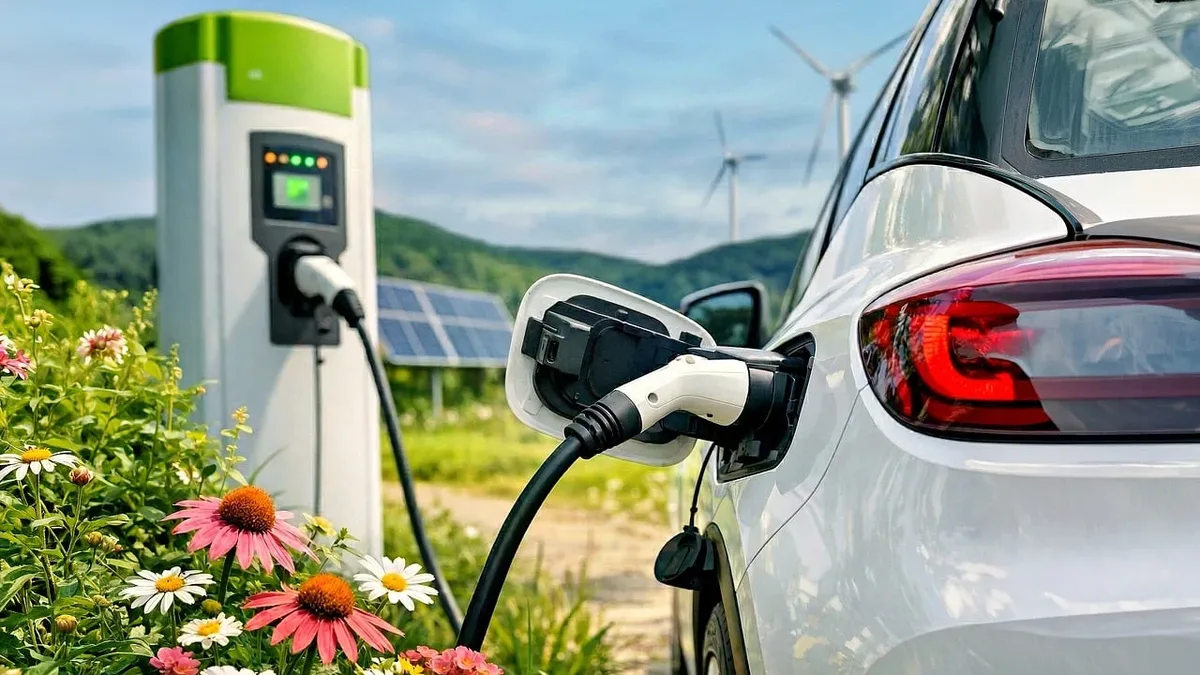
Electric mobility offers a diversification avenue for solar industry players. The Brazilian Electric Vehicle Association (ABVE) reports over 270,000 electrified vehicles were registered from January to July, bringing the national total to 700,000. Consultant Rafael Cunha noted that while the grid faces challenges, vehicle-to-grid (V2G) technology could eventually use vehicle batteries to support grid stability.
"Brazil remains the largest renewable energy market in the region, with more than 74 GW of installed solar capacity," said Florian Wessendorf, an executive director for organizer Solar Promotion International. He called Brazil one of the world's most attractive solar markets, now entering a new development phase driven by demand for flexibility, backup, and greater renewable integration.