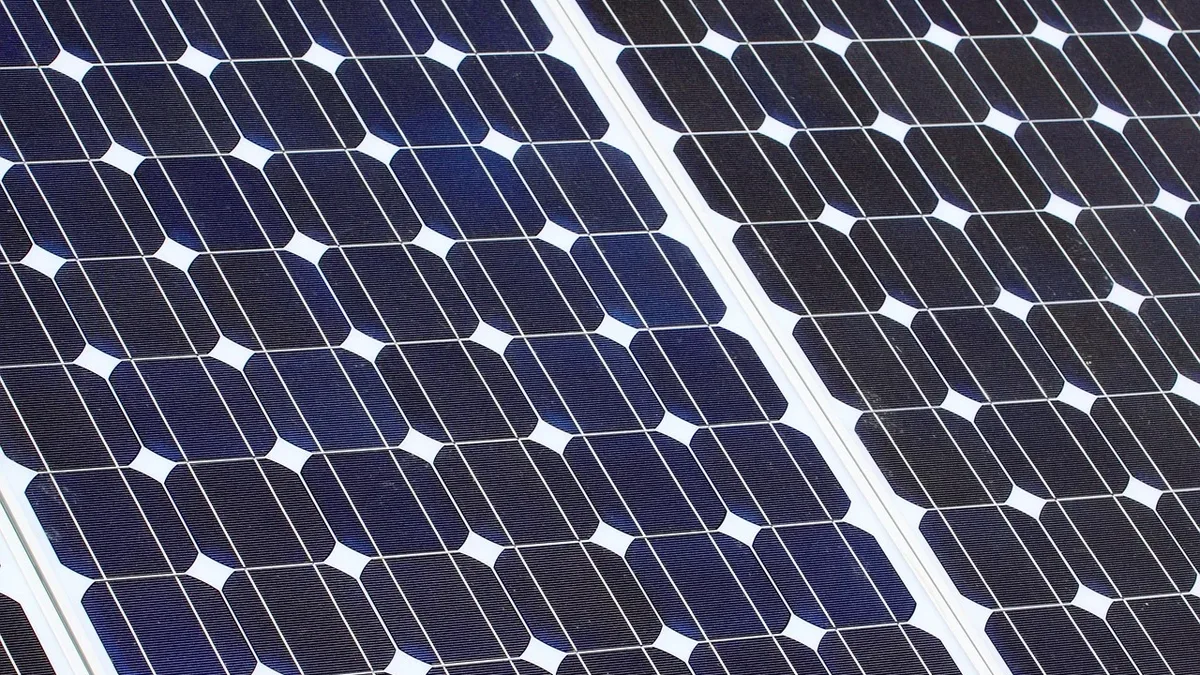
India's renewable capacity hits 290 GW, solar leads at 165
India's installed renewable energy capacity has surpassed 290 gigawatts, with solar power accounting for 165 GW.
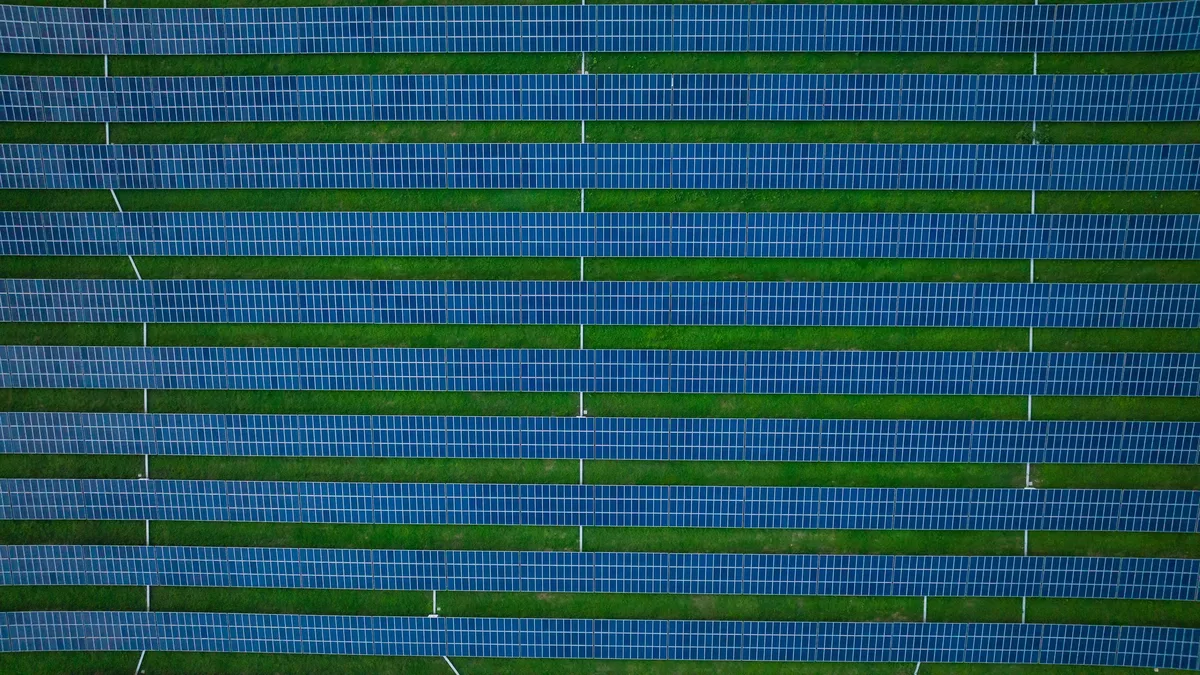
India's installed renewable energy capacity has exceeded 290 gigawatts. The country also achieved 50% of its total installed electricity capacity from non-fossil fuel sources in 2025, hitting that target five years ahead of its 2030 goal.
According to data from the Ministry of New and Renewable Energy (MNRE), the capacity breakdown as of July 31, 2026, is as follows:
| Technology | Installed Capacity |
|---|---|
| Solar Power | 165 GW |
| Wind Power | 58 GW |
| Large Hydropower | 52 GW |
| Biomass Power | 10.8 GW |
| Small Hydropower | 5 GW |
| Waste-to-Energy | >800 MW |
Speaking at the 8th International Conference on Sustainability Education (ICSE) 2026, Pradip Burman, chairman of the Mobius Foundation, called the progress significant but incomplete. "Our renewable energy capacity has now crossed 290 GW," said Burman. "This is significant progress, but the journey is far from over." He showed a persistent gap between national ambition and on-the-ground implementation.
The call for green skills
Experts at the conference argued that sustaining India's energy transition will require more than just deploying solar panels and wind turbines. They emphasized a critical need for investment in green skills and workforce development. The emerging clean-energy economy demands capabilities in areas like critical mineral supply chains, e-waste and battery recycling, and sustainable technology innovation.
Priyanka Sharma, President and CEO of the Mobius Foundation, noted a shift in how sustainability is perceived. She stated it has evolved from a purely environmental issue to one that now encompasses economic growth, livelihoods, and overall well-being. As India's clean-energy ecosystem expands, sustainability education and practical green skills will be vital for preparing workers.
Rethinking systems and citizen roles
Dr. Vibha Dhawan, Director General of The Energy and Resources Institute (TERI), highlighted the necessity of re-examining existing systems and infrastructure through a sustainability lens. This implies a fundamental rethink of how energy, resources, and cities are managed.
Professor Bhaskar Vira, pro-vice-chancellor for education and environmental sustainability at the University of Cambridge, offered a caution. He warned against relying solely on technological fixes for environmental challenges. Instead, he stressed the importance of enabling citizens to actively participate in the transformations required for a sustainable future. The conference consensus pointed to a need for skills that support a holistic low-carbon economy, extending far beyond generation capacity figures.