New Zealand to simplify small, medium-sized solar installations
New Zealand’s government will adopt 15 recommendations to streamline small and medium solar projects, including legalising plug-in panels, faster approvals for installations under 10 kW, and allowing accredited installers to certify systems under 100 kW without inspection. The changes aim to cut costs and delays, potentially delivering up to NZD 50 million in benefits over a decade.
The New Zealand government has committed to implementing a set of 15 recommendations aimed at easing the deployment of small- and medium-sized solar systems for homes and businesses. The measures, drawn from a recent sector review, seek to make the process of installing solar panels among the simplest in the developed world.
## Key regulatory changes
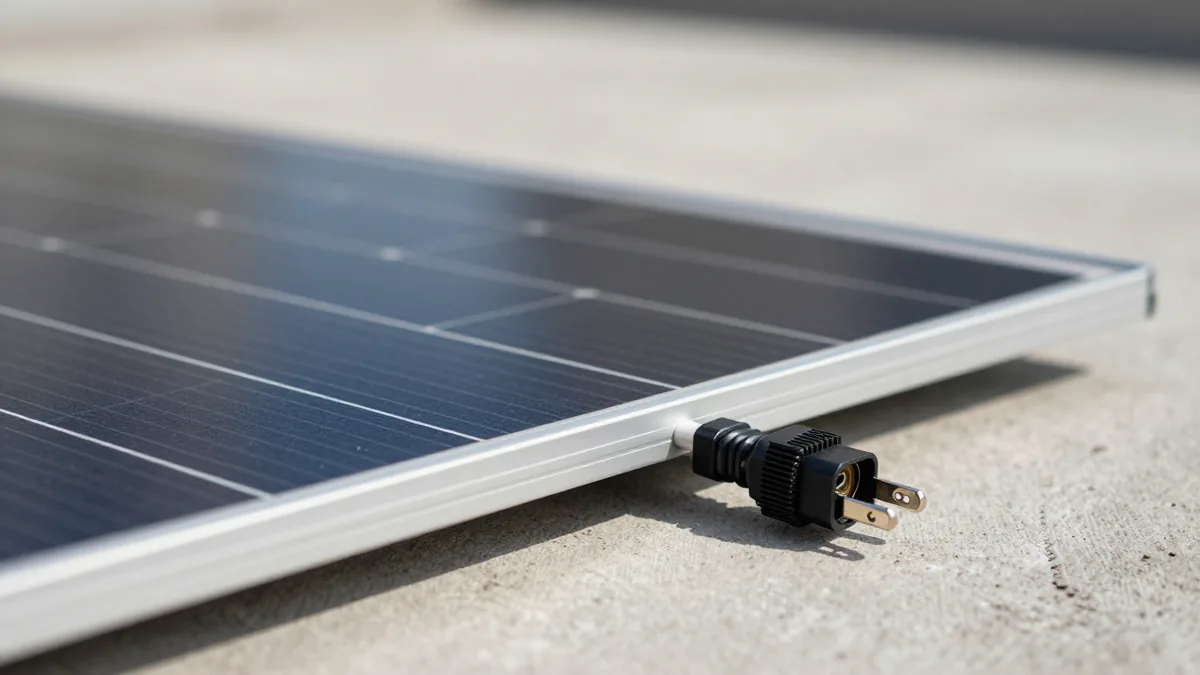
Among the proposals are several that directly reduce administrative burdens. Plug-in solar panels will be legalised, and installations under 10 kW can be approved by the next working day. For systems under 100 kW, accredited installers will be permitted to sign off without a separate inspection. The government also plans to create a uniform connection process for solar projects and to publish clearer information about electricity meters for consumers.
## Expected impact on costs and timelines
The Ministry for Regulation’s analysis suggests the new rules could dramatically lower both the cost and time required for residential solar approvals. The table below summarises the projected changes:
| Metric | Current average | Projected after reforms | |---|---|---| | Approval cost (NZD) | 640 | 200 | | Approval time | 3 months | 6 days | | Net benefits over 10 years (NZD) | 28 million - 50 million | - |
If realised, these reductions would make solar installations more affordable and quicker to implement, encouraging broader uptake.
## Government perspective
Regulation Minister David Seymour and Energy Minister Simeon Brown both highlighted the consumer benefits of the reforms. Brown emphasized that easier connections would give New Zealanders greater control over their electricity bills by harnessing “free sunshine” on their properties. He also noted that the changes could be especially transformative for renters, as plug-in solar systems could be moved with the tenant when they relocate.
## Broader solar landscape
New Zealand’s solar market has been growing steadily. At the end of last year, the country’s cumulative solar capacity reached 836 MW, according to the International Renewable Energy Agency (IRENA). The nation’s largest solar farm, a 150 MW installation on the North Island, was commissioned in July. In April, the electricity authority introduced a default export limit of 10 kW for residential solar and battery systems, further standardising grid access.
These regulatory updates, combined with existing capacity growth, position New Zealand to accelerate its solar deployment and move closer to its renewable energy goals.