Chinese Automotive Glass Giant Announces Vehicle-Integrated Solar Roof
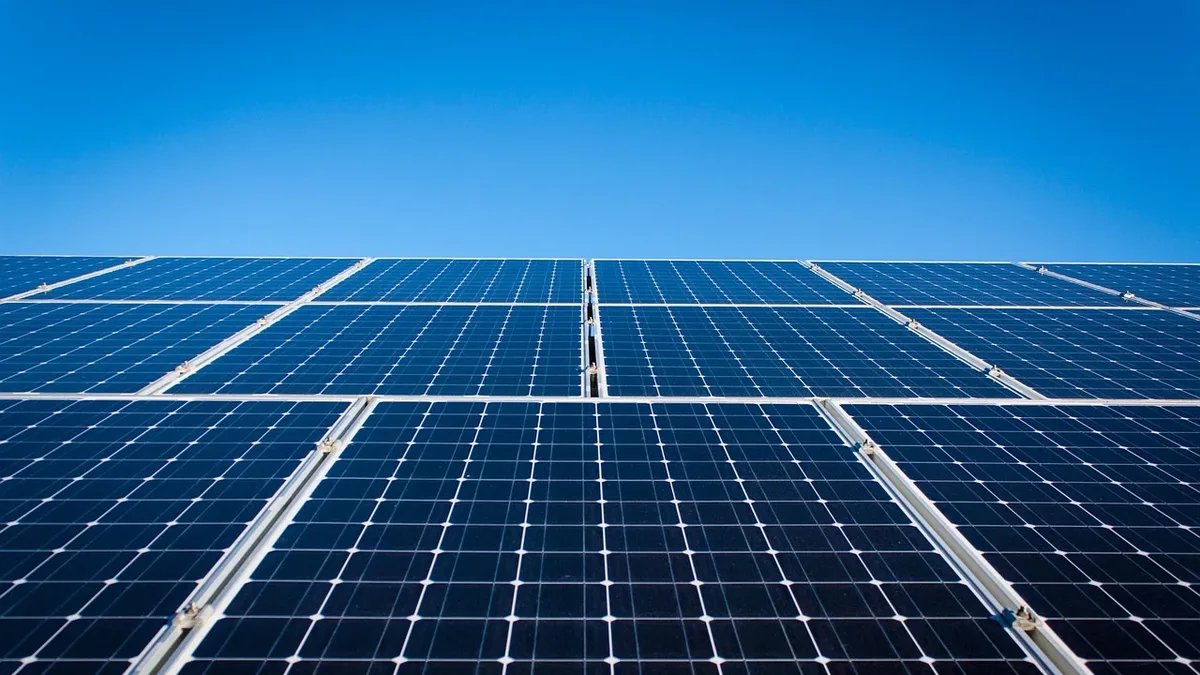
Fuyao Group, the world's largest automotive glass manufacturer, has confirmed the development of solar sunroof glass incorporating photovoltaic cells, with the capability to manufacture the product at scale.
Fuyao Group, the world's largest automotive glass manufacturer, has confirmed the development of solar sunroof glass incorporating photovoltaic cells, with the capability to manufacture the product at scale.
The technology embeds solar cells within laminated automotive glass, allowing sunlight to be converted into electricity for auxiliary vehicle loads. This electricity can be used to power onboard electrical equipment.
The technology is not entirely new to Fuyao. In May 2024, the company told investors that it had achieved mass-production capability for solar sunroof glass and was supplying the product for vehicle programs where customers required it. The latest disclosures therefore appear to signal progress toward commercialization rather than the completion of the technology itself.
## Technical Specifications
While several Chinese automotive media reports have claimed that the system was jointly developed with BYD and would be offered on the Han and Tang models for an optional price of CNY 8,000 ($1,190), neither Fuyao nor BYD has published technical specifications or a joint announcement confirming those figures. The reports also mentioned a peak output of 720 W and a conversion efficiency of 23.18%, based on heterojunction (HJT) solar cell technology.
## Production Capacity
Fuyao recently said its factories in Fuqing Yangxia and Hefei had each reached production capacity of 3 million sets of automotive glass by the end of 2025 and were ramping up production in 2026. However, the company has not disclosed what proportion, if any, of that capacity is dedicated to solar sunroofs.
## Commercialization
Vehicle-integrated PV (VIPV) is unlikely to replace conventional EV charging because of the limited surface area available on passenger cars. Its more immediate role is likely to be supplying low-power auxiliary loads while vehicles are parked, potentially reducing battery drain and supporting ventilation and other standby functions. Fuyao's move toward volume production suggests that automotive PV is shifting from a largely experimental application toward a more commercial product.
## Conclusion
Fuyao's development of solar sunroof glass incorporating photovoltaic cells marks a significant step toward commercialization of vehicle-integrated PV technology. While technical specifications and commercial details remain unclear, the company's progress toward volume production suggests a growing role for automotive PV in the industry.
### Table of Technical Specifications (Note: Figures not confirmed by Fuyao or BYD)
| Specification | Value | | --- | --- | | Peak output | 720 W | | Conversion efficiency | 23.18% | | Solar cell technology | Heterojunction (HJT) |
Note: The figures in the table above are based on reports from Chinese automotive media and have not been confirmed by Fuyao or BYD.